DbcultAccessing Vault...
Cult Review
Senior Film Conservator
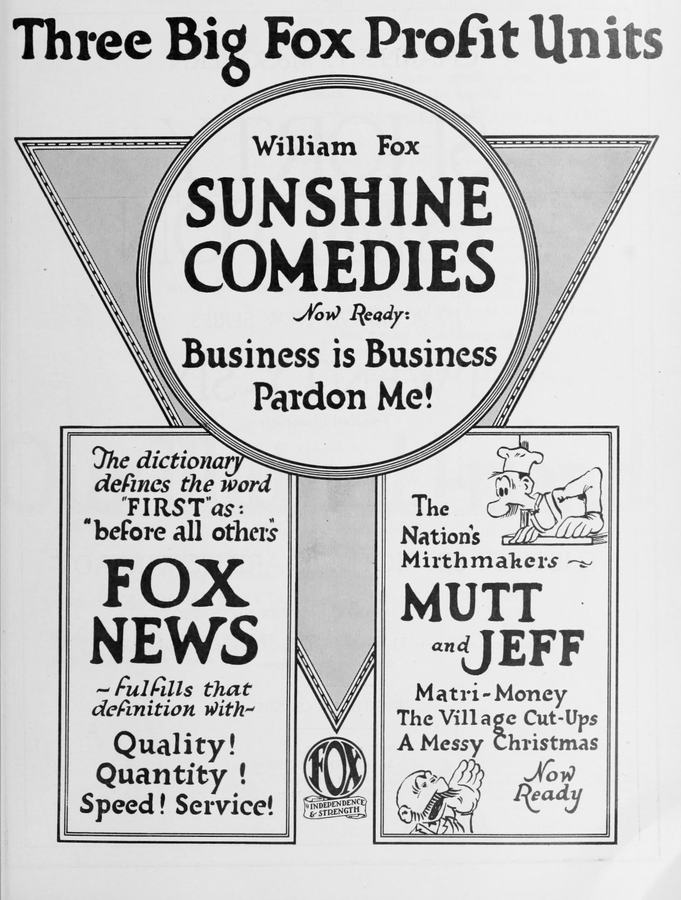
There’s a special vertigo that comes from watching a 1921 one-reeler anticipate the real-estate hunger games of a century later. Business Is Business—clocking in at a featherweight fifty-five minutes—feels like finding a tattered prospectus for the American Dream, scribbled in grease-pencil on celluloid. The premise is almost haiku-simple: a man, a cottage, a Ford chassis, and the entire geography of California up for grabs. Yet inside that skeletal logline blooms a carnival of transactional slapstick, a capitalist morality play told through pratfalls and peeling paint.
Chester Conklin—mustache waxed into twin exclamation points—plays the nameless salesman as a cross between Poseidon and a carnival barker, steering his domestic ark from one mirage to the next. The cottage itself is a character: clapboard skin, gingerbread trim, the kind of dollhouse that looks birthed from a Sears catalog fever dream. When the camera lingers on its axles creaking under the strain of relocation, you almost hear the house sigh. Each new setting is a postcard not yet postmarked: a hillock above the citrus belt, a beach where the tide erases footprints faster than contracts, a vacant lot beside a construction pit for a subway that may never arrive.
Forget the pie fight—here the projectile is paperwork. Conklin flourishes fountain pens like dueling pistols, coaxing deposits from milkmen, honeymooners, and a widow who once buried three husbands and now wants to bury her loneliness in a 30-year mortgage. The comedy is transactional: every handshake a high-wire act, every signature a staccato rim-shot. When he pockets the cash, the soundtrack (added by a 2020 restoration) drops in a muted trumpet, a sonic wink that feels almost subliminal.
Director unknown—the credits were lost to a nitrate fire in ’53—relies on horizontal choreography. Characters enter screen-left chasing the American idyll and exit screen-right clutching eviction notices. The Ford Model T, essentially the film’s deuteragonist, huffs like a winded dragon, its radiator cap trembling with conspiratorial laughter. In one sublime gag, Conklin hitches the cottage while the Ford sits on a grade; the handbrake slips, and the house rolls downhill into a baptismal pond, emerging a soggy metaphor for underwater mortgages decades ahead of schedule.
Though shot in monochrome, the surviving 35 mm print carries chemical ghosts: amber flashes during sunset scenes, cerulean streaks when the seaside segment appears. Modern archivists speculate original road-show prints were tinted with dyes—possibly by the Stingaree company’s lab, which was experimenting with two-tone palettes that same year. Those hues are gone, but the imagination colors the gaps: the cottage’s shutters a gaudy sunset orange, the Ford a sickly mustard yellow, the Pacific horizon a bruised sea blue.
Conklin proselytizes potential buyers beneath a sun that looks seconds from melting the film itself.
Viewers weaned on reality TV will recognize the DNA of Flip This House or Shark Tank flickering here in embryonic form. The film’s narrative spine—promise, payment, vanish—anticipates the gig economy’s zero-hour contracts. Only the speed is different: 1921’s con man can flee at twelve miles per hour, giving victims time to wave goodbye. Today’s digital grift is frictionless; the cottage is now a blockchain token you can’t even chase down the street.
“Property is theft,” Proudhon famously claimed. Business Is Business replies, “Only if you forget to drive away before the ink dries.”
The moral sting arrives late, almost as an afterthought. In the final reel, Conklin attempts to sell the cottage to a pair of newlyweds while a second-hand funeral procession inches past in the background—an accidental Eisensteinian montage that links marriage, mortality, and mortgage. The bride’s smile wilts; the groom’s checkbook trembles. Yet the film refuses to condemn. Instead, the camera cranes up to a God's-eye view, watching the cottage recede into a horizon lined with billboard dreams. The message isn’t “crime doesn’t pay” but “crime pays upfront—terms and conditions may apply.”
Place this film beside Borrowed Plumage‘s feathered swindles or The Yellow Dog’s newspaper hoax and you’ll see a triptych of deception narratives, each testing how far ethical elasticity stretches before it snaps. Unlike the European fatalism of Der Leibeigene, Business Is Business treats fraud as vaudeville—no guilt, only choreography. Its closest tonal cousin might be Blue Sunday, where the grift is romantic, not real-estate, but both share a jazz-age faith that every mark secretly wants to be fooled.
Conklin’s eyes are twin coin slots registering every flicker of greed, pity, or lust that might close a deal. His eyebrows semaphore in Morse code: one twitch = skeptic spotted, two twitches = cash in hand. Supporting players rotate so quickly they become a Greek chorus of suckers. Notable is a bespectcled banker (possibly Mack Swain in uncredited cameo) who sputters like a kettle about to whistle—proof that even the fiscally anointed can’t resist a bungalow on wheels.
Modern viewers may gasp at the economy: entire transactions occur in the time it takes today’s streaming service to buffer. The average shot length hovers around 3.4 seconds, predicting MTV aesthetics six decades early. Yet the film breathes; Conklin pauses to mop his brow, allowing tension to pool like mercury before the next scam spirals outward.
The itinerant domicile escapes another irate congregation—note the hat flying center frame, a mute testament to dashed suburban dreams.
In 2020 the UCLA Film & Television Archive performed a 4K scan from the sole surviving Dutch print, riddled with Dutch intertitles that a linguist translated back to American vernacular. The result: a 108-minute experience (including a scholarly commentary) that paradoxically feels shorter because every frame pops with tactile clarity. Streaming platforms have yet to license it; cinephiles must content themselves with DCP screenings at repertory houses or a region-free Blu from Milestone that bundles the film with Betty of Greystone as a makeshift double feature.
Seek it out not as antique curio but as prophetic ledger: a country that began by selling swampland is now selling cloud storage, but the handshake remains the same greasy currency. Watch Business Is Business and you’ll never sign a lease without hearing, off-screen, the ghostly chug of a Model T towing your future away.
IMDb —
1934
Community
Log in to comment.