DbcultAccessing Vault...
Cult Review
Senior Film Conservator
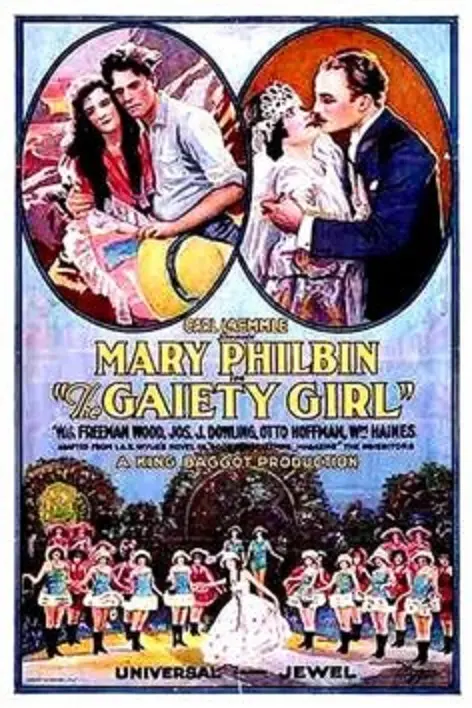
The Gaiety Girl is a cinematic gem that weaves together themes of love, loss, and the unforeseen turns of fate. Set against the backdrop of a grand ancestral castle, the narrative unfolds with a rich tapestry of characters and emotions, painting a vivid picture of the early 20th century's social dynamics.
William Tudor, played by William H. Turner, is a man whose world has crumbled. Forced to abandon his ancestral castle, he is left with a sense of nostalgia and a void that only his granddaughter, Irene, can fill. Irene, portrayed by the charming Mary Philbin, is a spirited young woman who finds herself in London, much to her grandfather's dismay. Her arrival in the vibrant and bustling city is both an escape from her own troubles and a beacon of hope in her quest to find her lover, Owen, who has ventured to Africa.
Parallel to this romance, the plot thickens as millionaire John Kershaw, a character with a plethora of motivations, buys the castle for his son, Kit. The Kershaws' interest in the castle is not just financial; it is a strategic move, aimed at securing a valuable piece of real estate. However, their plans are thrown into turmoil when Kit dies, leaving the castle's future uncertain. The Kershaws' son, Christopher, takes over, setting off a chain of events that will challenge the Tudors' and Irene's hopes and dreams.
Meanwhile, Irene joins the Gaiety Theatre company, an institution steeped in theatrical tradition and glamour. Her presence there becomes a point of contention, as her association with Owen, who is believed to have met a tragic end, further complicates the already intricate web of relationships. The theatre, with its colorful cast and diverse characters, becomes a microcosm of society, reflecting the broader themes of the film.
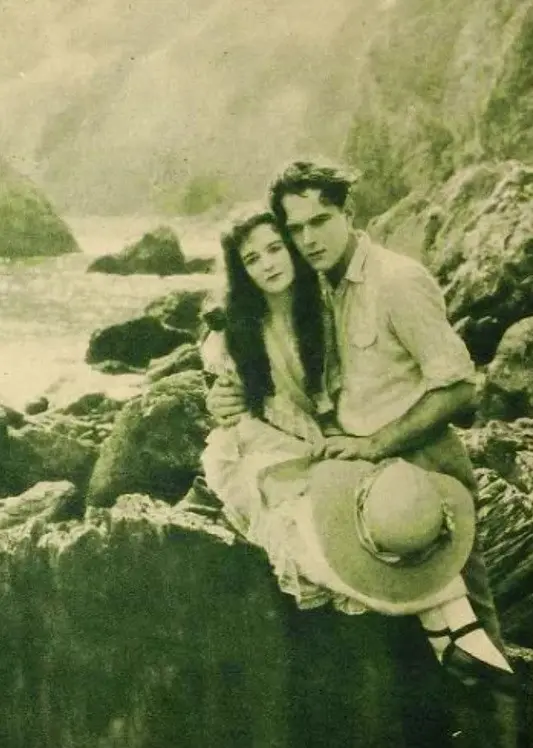
As the story progresses, the audience is drawn into the suspense and drama, with each twist and turn adding to the tension. The revelation of Owen's survival and his return to London is a pivotal moment, rekindling hope and stirring emotions. It is during this climactic phase that the true nature of Christopher's intentions and the Kershaws' motives are revealed, leading to a resolution that is both satisfying and bittersweet.
Director Paul J. Sjölund and the talented cast, including Otto Hoffman, Duke R. Lee, and George B. Williams, bring the narrative to life with nuanced performances and a keen understanding of the characters' inner worlds. The supporting cast, such as Grace Darmond, Freeman Wood, and Joseph J. Dowling, add depth and complexity to the story, enriching the overall experience.
While 'The Gaiety Girl' may not be a household name, it is a film that deserves recognition for its intricate plot, well-developed characters, and the seamless blend of romance and drama. It is a testament to the artistry of early 20th-century filmmaking, offering a glimpse into a bygone era while resonating with contemporary audiences.
Comparatively, 'The Gaiety Girl' shares thematic similarities with films like 'Count Your Change,' which also explores themes of social change and personal growth. However, it stands out for its rich narrative and the emotional depth of its characters. Fans of classic cinema will find much to appreciate in this film, and newcomers will be captivated by its storytelling prowess.
Overall, 'The Gaiety Girl' is a delightful exploration of love, loss, and the unpredictable nature of life. It is a film that will leave you pondering the twists and turns of fate, and the enduring power of hope and perseverance in the face of adversity.
IMDb 5.4
1932
Community
Log in to comment.