DbcultAccessing Vault...
Cult Review
Senior Film Conservator
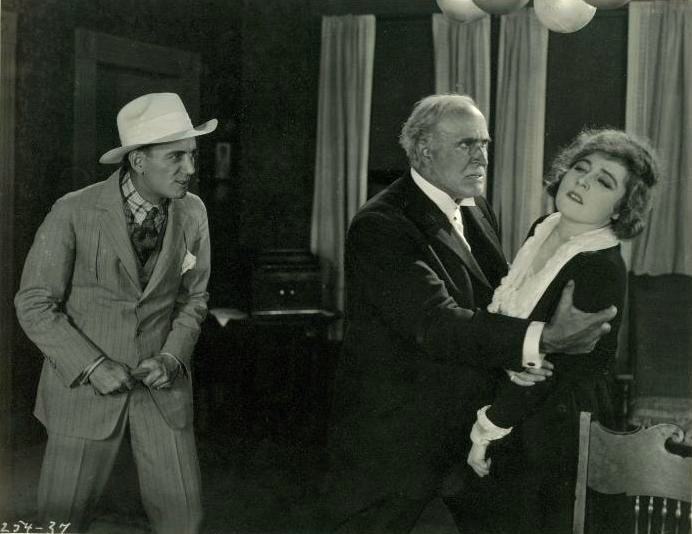
In the vast, often overlooked archives of early cinema, certain films emerge like hidden jewels, shimmering with a timeless brilliance that defies the passage of decades. The Girl Who Came Back, a silent-era marvel from 1918, is precisely one such treasure. It’s a narrative tapestry woven with threads of moral ambiguity, familial loyalty, the intoxicating thrill of transgression, and the profound yearning for redemption. Directed with a delicate yet firm hand, this film transcends its historical context to deliver a story that resonates with universal human struggles, proving that the silent screen was anything but quiet in its emotional depth and thematic complexity.
From its opening frames, we are plunged into a world where right and wrong blur, a world sculpted by the veteran writers C.M.S. McLellan and Beulah Marie Dix. Their screenplay crafts a protagonist of remarkable complexity: a young woman, portrayed with captivating nuance by Marcia Manon, who has been meticulously schooled in the art of professional burglary by her own father. This isn’t a tale of accidental delinquency but of inherited craft, a dark legacy embraced with a certain pride. Manon’s character, whose very existence is a testament to her father's illicit tutelage, moves through the shadows with an almost balletic grace, her nimble fingers and sharp mind honed for the acquisition of others' valuables. The film doesn't judge her initially; rather, it presents her life as a given, a path chosen for her, which she has, in turn, mastered.
The narrative’s true turning point arrives not through a dramatic confrontation with the law, but through an existential crisis – a near-drowning incident. This sequence is orchestrated with a visceral immediacy, pulling the audience into the terrifying vulnerability of the moment. The sudden, unexpected intervention of an unidentified man, who pulls her from the icy grip of oblivion, acts as a profound catalyst. It’s a moment of stark vulnerability and raw human connection that rips through the carefully constructed façade of her criminal pride. This close call isn't just a physical rescue; it's a spiritual awakening, forcing her to confront the precariousness of her existence and igniting a nascent, almost terrifying desire for a life unburdened by deceit and constant peril. This internal struggle is beautifully conveyed through Manon's expressive performance, her eyes, often hard and calculating, now betraying a flicker of doubt and longing. It's a testament to silent acting that such a profound shift in character can be communicated without a single spoken word, relying instead on gesture, posture, and the potent language of the human face.
Just as this fragile seed of change begins to sprout, her father, played with a compelling mix of paternal affection and hardened criminality by Theodore Roberts, presents her with the ultimate test of her newfound resolve. He has conceived of an ambitious, high-stakes heist: the theft of a string of invaluable pearls, destined to adorn the fiancée of an important politician. For him, it’s not just about the score; it’s about a final, grand flourish, a testament to their shared, illicit bond. For her, it’s a moral precipice. The film masterfully portrays her agonizing internal conflict. The pull of familial duty and the ingrained habits of a lifetime of crime clash violently with the nascent desire for a legitimate existence. Her reluctance is palpable, a silent scream against the inevitable pull back into the shadows. Yet, the ties of blood, perhaps more than the allure of the pearls themselves, ultimately compel her to acquiesce, setting in motion a chain of events that will irrevocably alter her destiny.
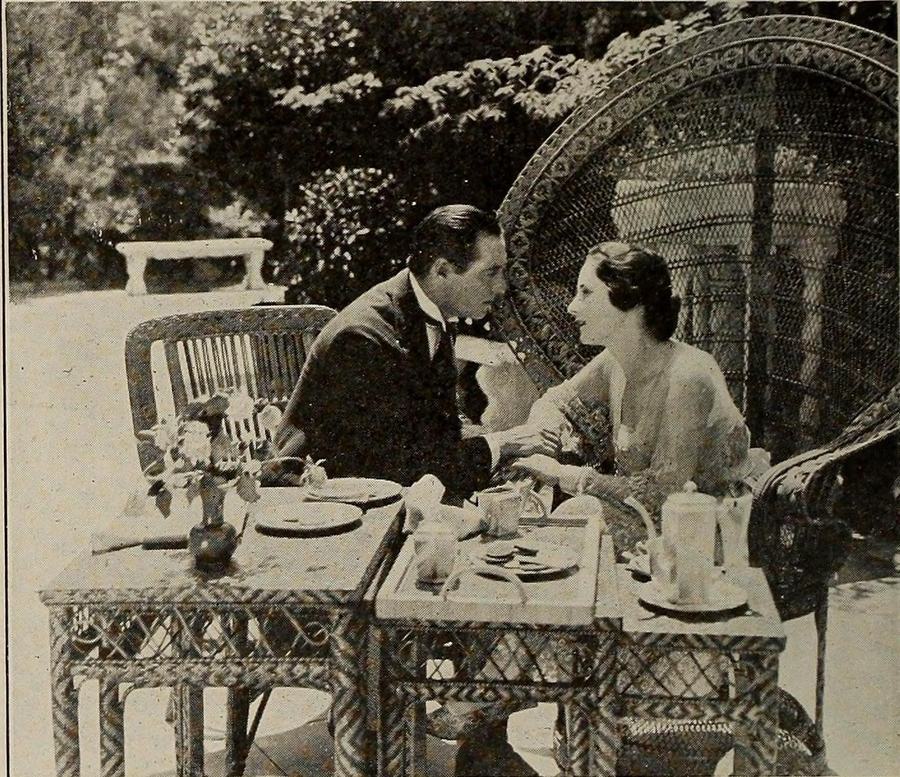
This dynamic between father and daughter is one of the film's strongest elements. Roberts, a seasoned character actor, imbues the father with a paternal warmth that makes his criminal enterprise all the more unsettling. He's not a mustache-twirling villain but a man who genuinely loves his daughter, albeit misguidedly, and sees their shared 'profession' as a bond, a twisted form of heritage. This complexity elevates the film beyond a simple crime drama, delving into the psychological underpinnings of their relationship. One might draw a thematic parallel to films like The Church and the Woman, where societal expectations and personal morality clash, though in that film, the pressures are external rather than inherited criminal enterprise. Here, the societal judgment is inherent in the very nature of their existence.
The heist itself is a masterclass in silent film suspense, meticulously planned and executed with a taut, almost unbearable tension. But it’s the aftermath that truly plunges our protagonist into the depths of despair. An unexpected turn of events, a cruel twist of fate, results in her being framed for a crime she did not commit. This is where the narrative truly pivots from a tale of moral dilemma to one of harrowing injustice. The threat of prison, a tangible, terrifying consequence, looms large, threatening to extinguish the fragile spark of hope she had just begun to nurture. The film expertly builds this sense of dread, showcasing the arbitrary nature of justice when one is already tainted by association. The supporting cast, including James Neill, Jane Wolfe, and Pansy Perry, contribute significantly to the rich tapestry of characters, each reacting to the escalating crisis with believable human emotion. The sheer panic and desperation of her situation are palpable, amplified by Marcia Manon's powerful portrayal of a woman caught in a snare not of her making, facing a future she desperately tried to escape.
The ensemble cast of The Girl Who Came Back is a testament to the profound artistry of silent film acting. Marcia Manon, in the titular role, delivers a performance that is both delicate and fiercely resilient. Her ability to convey complex emotional states – from the cold detachment of a professional thief to the burgeoning hope for a new life, and finally, the despair of false accusation – is nothing short of remarkable. She embodies the film’s central conflict with every subtle gesture and piercing glance. Her eyes, in particular, are windows to a soul in turmoil, capable of expressing volumes without the need for intertitles.
Theodore Roberts as the father is equally compelling. He avoids caricature, presenting a figure who is undeniably criminal yet undeniably human, driven by a warped sense of paternal love. His presence lends a gravitas to the film, making the moral stakes feel incredibly high. The scenes between Manon and Roberts are charged with an unspoken history and a deep, if complicated, affection. Their dynamic is the emotional core around which the entire narrative revolves. Other notable performances come from Jack Brammall, Ethel Clayton, Charles West, John McKinnon, and Elliott Dexter, each contributing layers to the rich social fabric of the film's world, creating a believable environment where high society and the underworld brush shoulders.
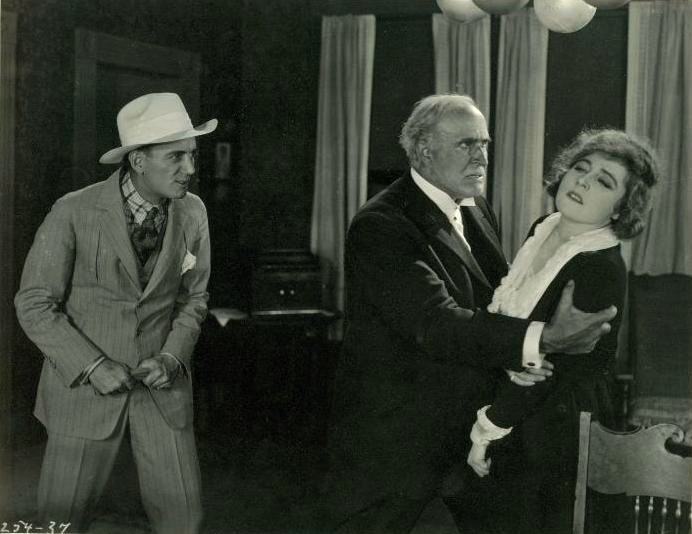
The direction, though not explicitly credited in the plot summary provided, guides the audience through this intricate narrative with remarkable clarity and emotional power. The film's pacing is judicious, allowing moments of quiet introspection to breathe amidst the escalating tension of the crime plot. The visual storytelling, characteristic of the era, is employed with precision, using close-ups to emphasize emotional beats and wider shots to establish the social milieu. The use of shadows and light is particularly effective, mirroring the moral chiaroscuro of the protagonist's journey. It’s a subtle yet potent technique that enhances the film's thematic depth, much like how the dramatic lighting in The Desert Man might be used to convey the harshness of its setting or the inner turmoil of its characters.
The screenplay by C.M.S. McLellan and Beulah Marie Dix is a model of conciseness and dramatic efficiency. They understand the power of implication and the necessity of strong character motivation in a medium where dialogue is limited to intertitles. The plot twists feel organic, emerging from character choices and external pressures rather than contrivance. The way the protagonist is ensnared in a crime she didn't commit is particularly well-handled, building a sense of tragic inevitability that draws the audience deeper into her plight. This kind of intricate plotting, where a character's past catches up to them, can also be seen in films like Fine Feathers, where moral compromises lead to unforeseen and dire consequences.
The Girl Who Came Back is more than just a crime drama; it's a poignant exploration of identity and the possibility of redemption. Can one truly escape the shadow of their past, especially when that past is intricately woven into their very upbringing? The film asks profound questions about agency, choice, and the societal forces that either enable or hinder personal transformation. The protagonist's journey from a proud criminal to a woman desperate for a clean slate is fraught with peril, both external and internal.
The film also subtly critiques societal judgment. Once labeled a criminal, the path to re-entry into 'respectable' society is shown to be incredibly arduous, if not impossible. The framing incident highlights this perfectly: her past makes her an easy target, a convenient scapegoat. This thematic thread resonates deeply, suggesting that society often prefers to condemn rather than understand or forgive. This examination of societal barriers and personal struggle echoes some of the more dramatic social commentaries of the era, such as the intense emotional trials depicted in The Curse of Eve, though with a distinct focus on criminal rather than moral transgression.
In an era often stereotyped for melodramatic overacting and simplistic plots, The Girl Who Came Back stands as a sophisticated example of silent cinema's capacity for complex storytelling and nuanced character development. It’s a film that demands to be seen, not just as a historical artifact, but as a compelling piece of dramatic art that holds its own even against modern thrillers. Its exploration of moral quandaries, the seductive nature of crime, and the arduous road to self-discovery remains as relevant today as it was over a century ago.
For cinephiles and casual viewers alike, this film offers a fascinating glimpse into the rich narrative traditions of early Hollywood. It reminds us that powerful stories, compelling characters, and profound themes are not inventions of the sound era but were present and thriving from the very dawn of filmmaking. The film's ability to maintain suspense and emotional investment without spoken dialogue is a powerful testament to the universal language of cinema. It’s a story of a woman’s struggle for a better life, a struggle intensified by the very bonds that once defined her. A true gem, The Girl Who Came Back is a must-watch for anyone interested in the enduring power of classic film and the timeless pursuit of redemption.
IMDb 6.1
1922
Community
Log in to comment.