DbcultAccessing Vault...
4.6/10
Senior Film Conservator
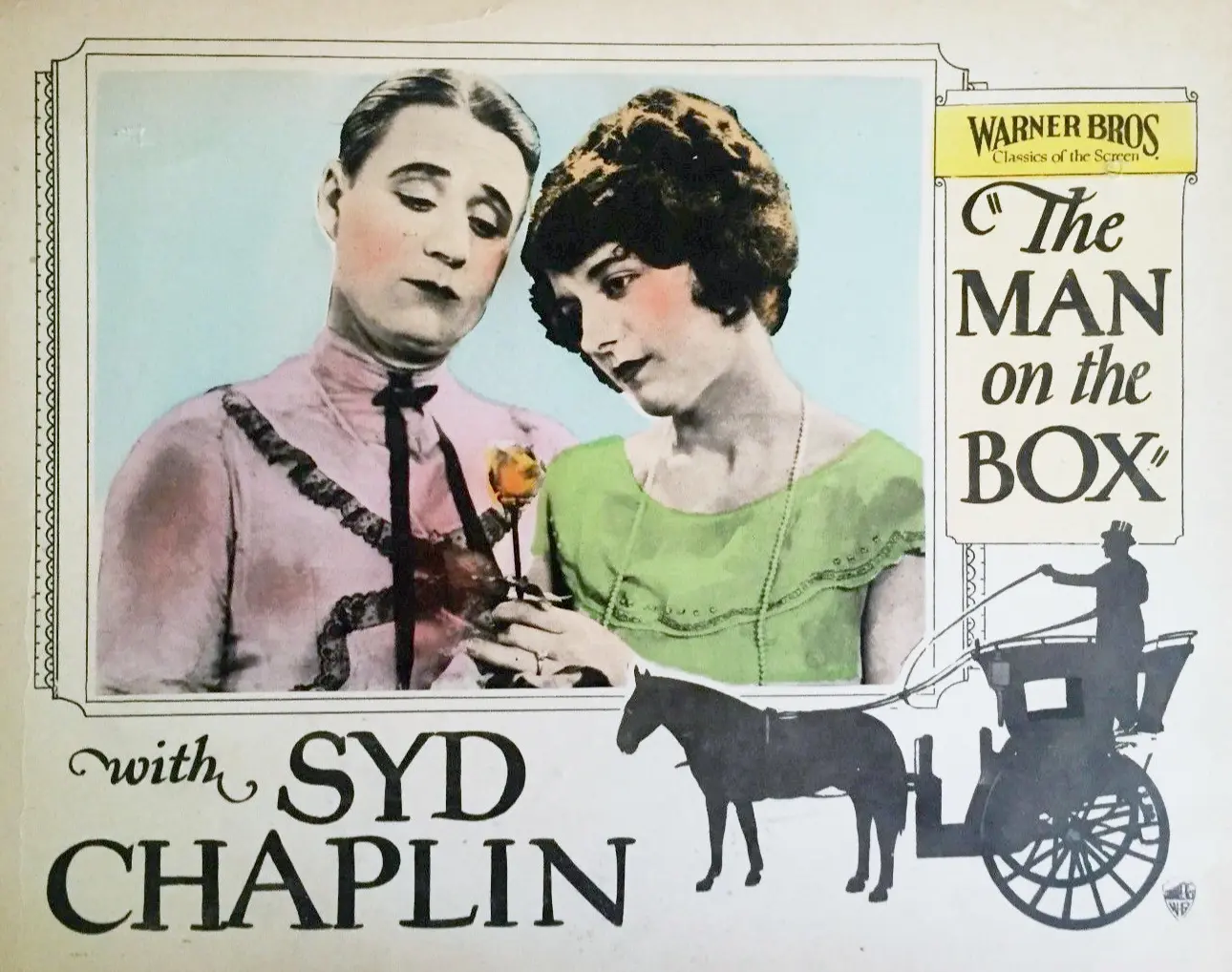
A definitive 4.6/10 rating for a film that redefined the boundaries of cult cinema. The Man on the Box remains a cornerstone of transgressive art.
In the bustling cinematic landscape of 1925, a year that marked a pivotal transition in the silent era, 'The Man on the Box' emerged as a delightful and surprisingly multifaceted offering. Far from being a mere relic of a bygone age, this film, penned by Harold McGrath and Charles Logue, and brought to life by a spirited cast, represents a charming fusion of romantic comedy, social commentary, and an unexpected dash of espionage thriller. It’s a testament to the versatility of silent storytelling, demonstrating how filmmakers of the period could deftly weave disparate genres into a cohesive, engaging narrative without uttering a single spoken word. For contemporary viewers, it provides not only a window into the entertainment sensibilities of the Roaring Twenties but also a compelling case for the enduring power of visual narrative.
At the heart of 'The Man on the Box' lies a narrative conceit as old as storytelling itself: the wealthy protagonist shedding his privileged identity to pursue love on equal footing. Our hero, a scion of considerable means, finds himself smitten with a woman whose affection he wishes to earn on merit, rather than through the allure of his fortune. This noble, if slightly whimsical, impulse leads him to adopt the persona of a humble gardener. This act of deliberate social demotion is more than just a romantic ploy; it's a subtle yet potent commentary on the rigid class structures prevalent in society, even in the supposedly egalitarian new world. By becoming 'the man on the box' – a term that evokes the literal and metaphorical confines of his adopted role – he navigates a world where his true status would afford him deference, but his chosen guise earns him only the mundane respect due to a servant. The film cleverly exploits the comedic potential of this masquerade, with Syd Chaplin, the brother of the legendary Charlie, embodying the role with an endearing blend of bumbling charm and genuine sincerity. His efforts to maintain his cover, often leading to hilariously awkward situations, form the comedic backbone of the initial chapters of the story. This exploration of identity through disguise resonates with other silent era comedies that playfully questioned social norms, though few escalate to the dramatic stakes seen here.
Syd Chaplin's portrayal in 'The Man on the Box' is nothing short of captivating. Often overshadowed by his iconic brother, Syd possessed a unique comedic timing and a distinct on-screen presence that deserves greater recognition. As the disguised lover, he masterfully balances physical comedy with a nuanced emotional performance. His facial expressions, a crucial tool in silent cinema, convey a wide spectrum of feelings – from the hopeful infatuation of a man in love to the mounting anxiety of someone caught in a deepening web of deceit. He imbues his character with an earnestness that makes his romantic quest believable, even as his gardening skills prove hilariously inept. When the narrative pivots towards espionage, Chaplin seamlessly shifts gears, transforming his character from a lovelorn fop into a resourceful, albeit still somewhat clumsy, hero. His ability to perform slapstick gags while simultaneously building suspense is a testament to his talent. One particular sequence, involving a perilous climb or a tense eavesdropping moment, showcases his agility and courage, reminding us that silent actors were often incredible physical performers. Unlike the more exaggerated, almost balletic movements of some contemporaries, Chaplin's comedy feels grounded, making his character remarkably relatable despite the extraordinary circumstances. His performance here solidifies his place as a significant, though perhaps underappreciated, figure in silent comedy, demonstrating a range that extends beyond mere mimicry.
Complementing Chaplin's vibrant performance is Alice Calhoun, who portrays the object of his affection with an understated charm and quiet strength. Calhoun, a prominent leading lady of the era, brings a compelling blend of innocence and intelligence to her role. She is not merely a passive damsel in distress; her character possesses an independent spirit and a keen observational sense, which subtly challenges the protagonist's disguise. Her reactions to the gardener's peculiar behavior are often priceless, oscillating between bemusement and suspicion. Calhoun's expressive eyes convey a depth of emotion that transcends the lack of dialogue, making her character's eventual realization of the truth, both romantic and perilous, genuinely impactful. Her chemistry with Chaplin, though largely unspoken, is palpable, grounding the romantic core of the story amidst the unfolding chaos. While the film primarily centers on the male protagonist's antics, Calhoun ensures that the romantic stakes feel equally weighty, providing a crucial emotional anchor that prevents the film from becoming purely farcical. Her presence elevates the film, providing a sophisticated counterpoint to the more overt comedic and adventurous elements.
What truly elevates 'The Man on the Box' beyond a simple romantic comedy is its audacious pivot into the realm of espionage. The discovery that the seemingly benign butler, played with chilling menace by Theodore Lorch, is in fact an enemy spy planning to steal vital military secrets injects a thrilling jolt of suspense into the narrative. This unexpected twist transforms the genteel domestic setting into a battleground for national security, forcing our hero to abandon his purely romantic agenda and embrace a more perilous, patriotic duty. Lorch's portrayal of the villainous butler is particularly effective, his subtle sneers and furtive glances conveying a sinister undercurrent that belies his subservient role. The tension builds incrementally, from the initial suspicion to the full-blown realization of the plot, culminating in a series of gripping confrontations. This shift in tone is handled with surprising dexterity, seamlessly integrating the high-stakes spy plot with the ongoing romantic comedy. The film manages to maintain its lighthearted spirit even as the protagonist finds himself in genuine peril, a delicate balance that few films, silent or otherwise, achieve with such grace. Comparing this domestic espionage to more overt thrillers like Trapped by the London Sharks reveals a fascinating contrast. While 'London Sharks' likely plunged directly into the gritty underworld, 'The Man on the Box' leverages the unexpectedness of danger within an idyllic setting, making the stakes feel more personal and insidious. The juxtaposition of a drawing-room comedy with a life-or-death mission to safeguard national security provides a unique flavor of suspense, demonstrating that thrills could be found in the most unassuming of places.
The success of 'The Man on the Box' is undoubtedly a credit to its writers, Harold McGrath and Charles Logue, whose screenplay skillfully navigates these tonal shifts. They craft a plot that, while fantastical, remains engaging through its clear character motivations and escalating stakes. The pacing is commendable, allowing for moments of character development and comedic relief before ratcheting up the tension for the spy thriller elements. The direction, while not attributed in the original details, effectively utilizes the visual language of silent film to convey emotion, action, and suspense. The use of close-ups to capture a furtive glance or a moment of dawning realization is particularly effective. Beyond the leads, the film benefits from a capable supporting cast who flesh out the world of the estate. Henry A. Barrows, as a figure of authority or perhaps the true owner, provides a grounding presence. David Butler and Cathleen Calhoun contribute to the ensemble, adding layers to the household dynamics. Charles Reisner and Helene Costello, along with E.J. Ratcliffe and Charles K. Gerrard, each play their parts in creating a believable and bustling environment, whether as fellow staff or other guests. Their collective efforts ensure that the world our hero inhabits feels fully realized, making his intrusion and subsequent heroic actions all the more impactful. The interplay between these characters, often without dialogue, speaks volumes about the conventions and unspoken rules of the affluent society depicted, further enhancing the film's social commentary.
'The Man on the Box' is more than just a historical curiosity; it's a vibrant piece of silent cinema that holds up remarkably well. Its blend of romantic whimsy, class satire, and genuine spy thriller elements makes it a unique entry in the 1920s filmography. The film's ability to elicit laughter, induce suspense, and ultimately deliver a satisfying resolution without a single spoken word is a powerful reminder of the artistry inherent in the silent era. It exemplifies how universal themes of love, duty, and identity could be communicated across cultural and temporal divides through the sheer power of visual storytelling and compelling performances. While it might not possess the grand scale of an epic like Christopher Columbus or the intense drama of The Branded Woman, its intimate yet high-stakes narrative offers a different kind of cinematic pleasure. It's a film that speaks to the enduring appeal of a good story, well told, proving that the silent screen was anything but quiet in its impact and innovation. Its charm lies in its unpretentious ambition, delivering a delightful cinematic experience that continues to resonate with audiences who appreciate the nuanced craft of early filmmaking. The ingenuity in combining elements typically found in separate genres is a testament to the creative freedom and experimental spirit of the time. This film, therefore, stands as a small but significant gem, inviting rediscovery and appreciation for its clever narrative construction and the memorable performances that define it.
In conclusion, 'The Man on the Box' is a delightful journey into the past, offering a rich tapestry of entertainment that transcends its silent origins. It's a film that reminds us of the ingenuity of early filmmakers and the timeless appeal of a story well told, proving that even a century later, a good film, regardless of its technological advancements, can still captivate and charm. It’s a testament to the enduring power of classic cinema, a vibrant echo from the Roaring Twenties that continues to resonate with its blend of humor, heart, and unexpected thrills.

IMDb —
1924
Community
Log in to comment.