DbcultAccessing Vault...
Cult Review
Senior Film Conservator
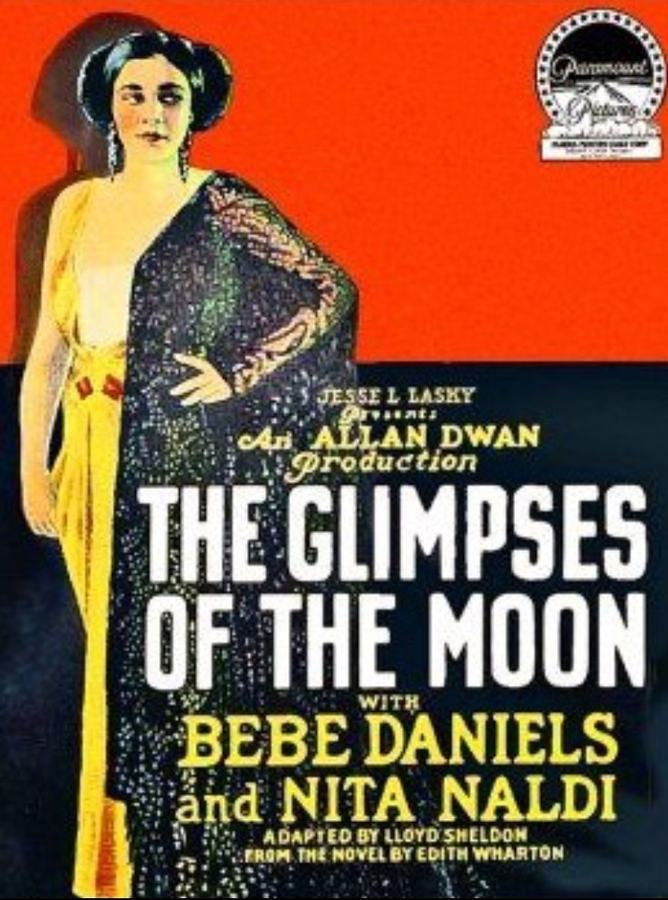
The film opens with Susan Branch gliding through a glittering soirée, her silhouette a study in paradox: immaculate attire supplied by a cadre of wealthy friends, yet an emptiness that no fabric can conceal. From the outset, director Edith Wharton (co‑writer) constructs a visual tableau where the mise‑en‑scene mirrors the protagonist’s internal vacuity. The camera lingers on the interplay of candlelight and champagne, casting shadows that foreshadow the moral murkiness to come.
\nNick Lansing, portrayed by Robert Lee Keeling, is introduced amid a cluttered attic where manuscripts tumble like fallen leaves. His eyes, weary yet flickering with a stubborn optimism, embody the archetype of the starving artist. The script, co‑authored by Edfrid A. Bingham and F. Scott Fitzgerald, grants Nick a lyrical introspection that feels both an homage to the Jazz Age and a contemporary meditation on creative exploitation.
\nUrsula Gillow (Pearl Sindelar), the imperious patroness, wields her wealth like a scepter, her every glance a transaction. Her fascination with Nick is less about affection than about the acquisition of cultural capital. When she offers Susan a bespoke gown in exchange for a promise to relinquish Nick, the audience witnesses a stark illustration of how monetary leverage can reconfigure intimacy.
\nEllie Vanderlyn (Dolores Costello), meanwhile, embodies the manipulative matriarch archetype. Her proposal that Susan marry Nick for “a year of happiness” is a calculated gambit, designed to preserve the Vanderlyn reputation while siphoning Nick’s nascent literary earnings. The wedding sequence—lavishly staged, yet underscored by a discordant string motif—acts as a visual metaphor for a contract signed in blood and glitter.
\nThe honeymoon quickly devolves into fiscal ruin. The film’s editing rhythm accelerates as the couple’s wedding gifts—expensive crystal, rare wines, a vintage automobile—are liquidated in a frantic montage. The scene is shot in rapid cuts, each frame a blur of receipts and desperate smiles, underscoring the unsustainable nature of a life built on borrowed opulence.
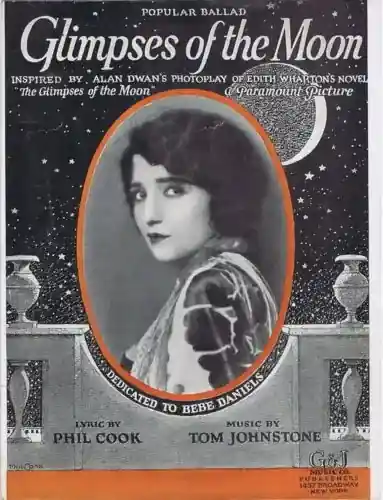
The Vanderlyns’ domestic sphere becomes a crucible of intrigue. Susan, now entangled in their internal power struggles, discovers hidden letters that reveal Ellie’s past affair with Nick’s late father, adding a generational echo to the present turmoil. This revelation is presented through a dimly lit study, the amber glow of a desk lamp casting elongated shadows—a visual cue that the past perpetually haunts the present.
\nEnter the lawyer (Freddie Verdi), a sardonic figure whose courtroom monologues read like theatrical soliloquies. His intervention, ostensibly to finalize the divorce, becomes the catalyst for an uneasy reconciliation. He orchestrates a meeting in a rain‑soaked park, where Nick, clutching a freshly inked manuscript, confesses his love for Susan amidst the patter of droplets—a scene reminiscent of the rain‑kissed denouements in classic romance cinema such as Kitsch.
\nNick’s eventual sale of his novel is portrayed not as a triumphant climax but as a bittersweet transaction. The camera lingers on his trembling hands as he signs the contract, the ink blotting like a dark promise. The final tableau shows Susan, now devoid of the extravagant trappings that once defined her, standing beside Nick as they gaze at the moon—an ethereal symbol of hope and perpetual longing.
\nRobert Lee Keeling delivers a nuanced portrayal of Nick, balancing the writer’s self‑deprecation with a simmering resolve. His diction, tinged with the cadence of 1920s prose, feels authentic without slipping into affectation. Millie Muller (Susan) excels in embodying a character who oscillates between vulnerability and calculated poise; her eyes convey a silent rebellion against the gilded cage of her social circle.
\nPearl Sindelar’s Ursula is a tour de force of controlled menace. She commands each frame with a regal bearing, her silences louder than any dialogue. Dolores Costello’s Ellie, meanwhile, brings a layered performance that oscillates between maternal concern and Machiavellian scheming, a duality that adds depth to the film’s exploration of female agency.
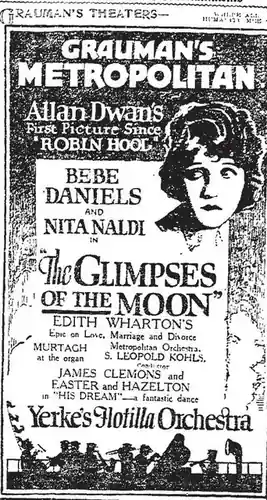
Cinematographer David Powell employs a chiaroscuro palette that juxtaposes the opulent interiors with the stark, rain‑slick streets, reinforcing the thematic dichotomy of surface versus substance. The use of sea blue (#0E7490) in night‑time exteriors creates a visual echo of melancholy, while splashes of dark orange (#C2410C) punctuate moments of emotional climax, such as the wedding’s explosive finale.
\nThe score, a haunting blend of jazz motifs and orchestral swells, mirrors the film’s tonal shifts. When Nick drafts his manuscript, a solitary piano line underscores his isolation; during the chaotic gift‑selling montage, percussive staccato beats heighten the sense of urgency.
\nAt its core, The Glimpses of the Moon interrogates the commodification of love and art in a society where wealth dictates worth. This motif resonates with The Spender, where financial desperation drives romantic entanglements, yet The Glimpses distinguishes itself through its layered critique of patronage, echoing the social commentary of Love's Law.
\nThe film’s narrative elasticity also invites comparison with the farcical tone of Monkey Business. While Monkey Business employs slapstick to satirize class, The Glimpses opts for a more sober, melancholic lens, allowing the audience to feel the weight of each transaction.
\nThe Glimpses of the Moon stands as a meticulously crafted exploration of how desire, ambition, and societal expectations intersect within a gilded yet fragile world. Its ensemble cast delivers performances that are both restrained and incendiary, while the visual and auditory design coalesce into a hauntingly beautiful whole. For viewers seeking a film that marries period elegance with incisive social critique, this work offers a luminous, if bittersweet, experience.
IMDb 7
1917
Community
Log in to comment.