DbcultAccessing Vault...
5.1/10
Senior Film Conservator
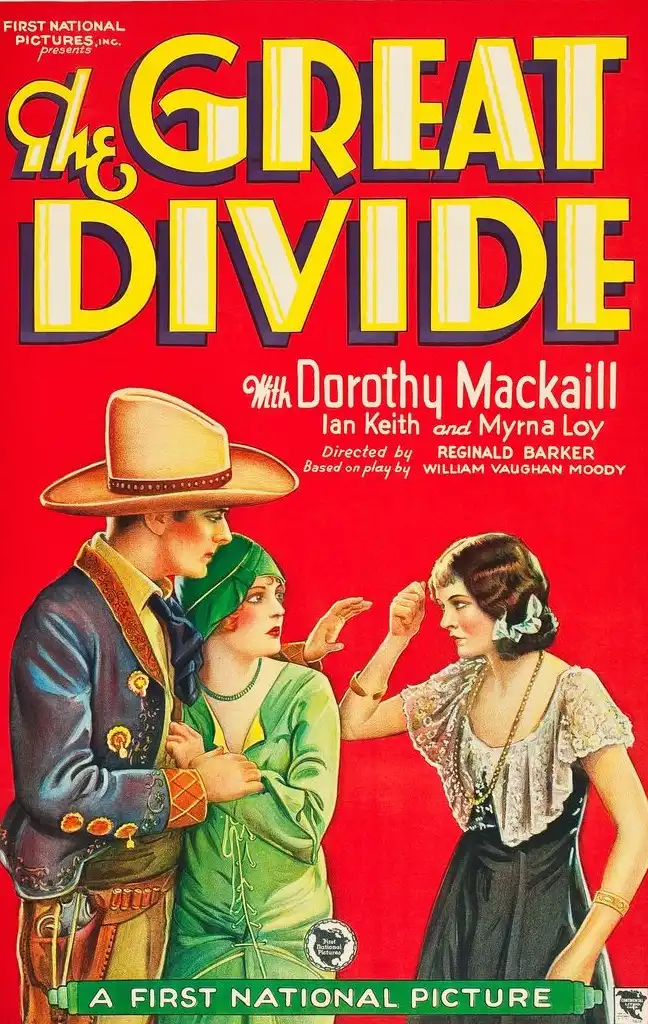
A definitive 5.1/10 rating for a film that redefined the boundaries of cult cinema. The Great Divide remains a cornerstone of transgressive art.
Alright, let's get straight to it: The Great Divide from 1929 isn't for everyone. Most folks looking for a Saturday night flick will probably bounce off this one hard, _and that’s okay_. But if you’re a silent film enthusiast, or just super curious about how stories were told—and what was considered 'romantic'—nearly a century ago, then yeah, give it a shot. It's a proper historical curio, often for all the wrong reasons.
The setup is something else. Steven Ghent, a mine owner, decides to ditch his life at the border. Before he goes, he runs into Ruth Jordan, his late partner's daughter. And boy, does he not like her vibe. She's presented as this _decadent, world-weary_ society girl. His solution? He just… kidnaps her. Like, literally snatches her to take her into the wild for some 'reforming.' 😬 It’s a plot that would get you arrested today, and probably rightly so.
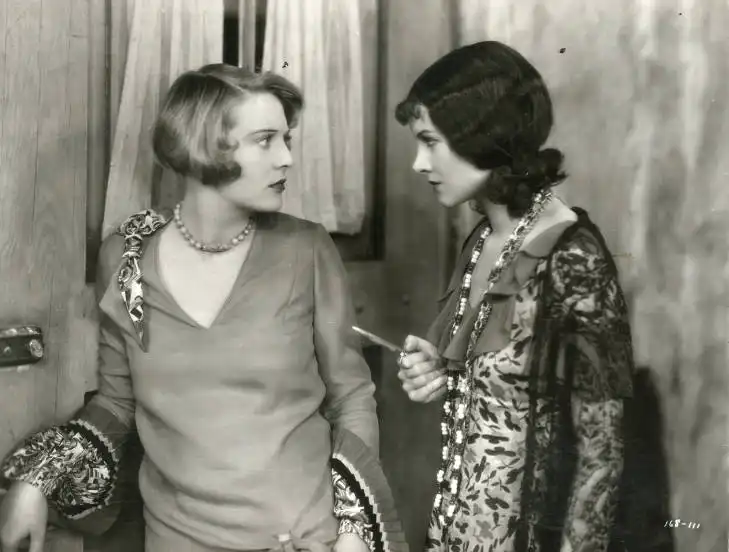
Watching this unfold, you can almost feel the movie trying to convince you this moment matters. The grand idea is that the 'Great Outdoors' will somehow fix her. It’s less about character development and more about a man deciding he knows best. **Very much a product of its time**, that’s for sure.
Dorothy Mackaill plays Ruth, and she’s got a tough job. Having to convey outrage, despair, and eventually… well, something else entirely, all through facial expressions and body language in the silent era, it’s a specific kind of performance. She makes you _feel_ her resistance early on. You really do.
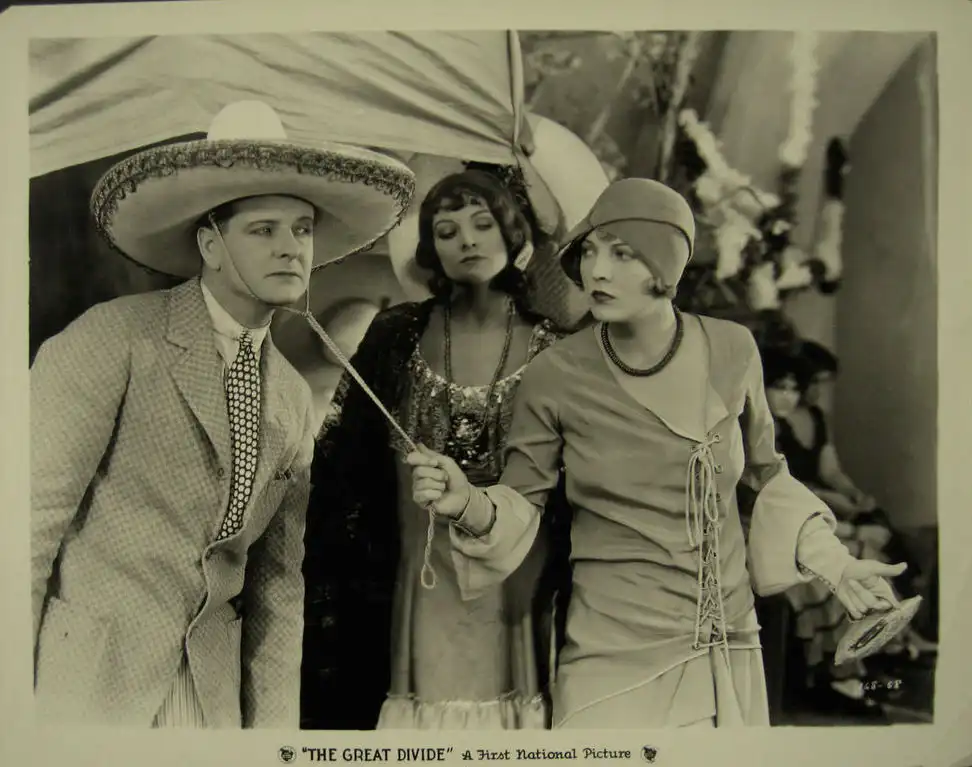
Myrna Loy also pops up, though in a smaller part. It’s always interesting to see familiar faces from later eras in these early roles. She’s got a certain presence even then, a sort of subtle spark that hints at her future stardom. You catch glimpses of it, if you’re paying attention.
The film uses those classic silent movie intertitles, and some of them are quite heavy-handed. They spell out feelings or intentions that modern films would just show you. One title card about Ghent’s 'noble' intentions felt particularly *jarring* after what we just watched him do. It's a bit like the film winks at you, then hits you over the head.
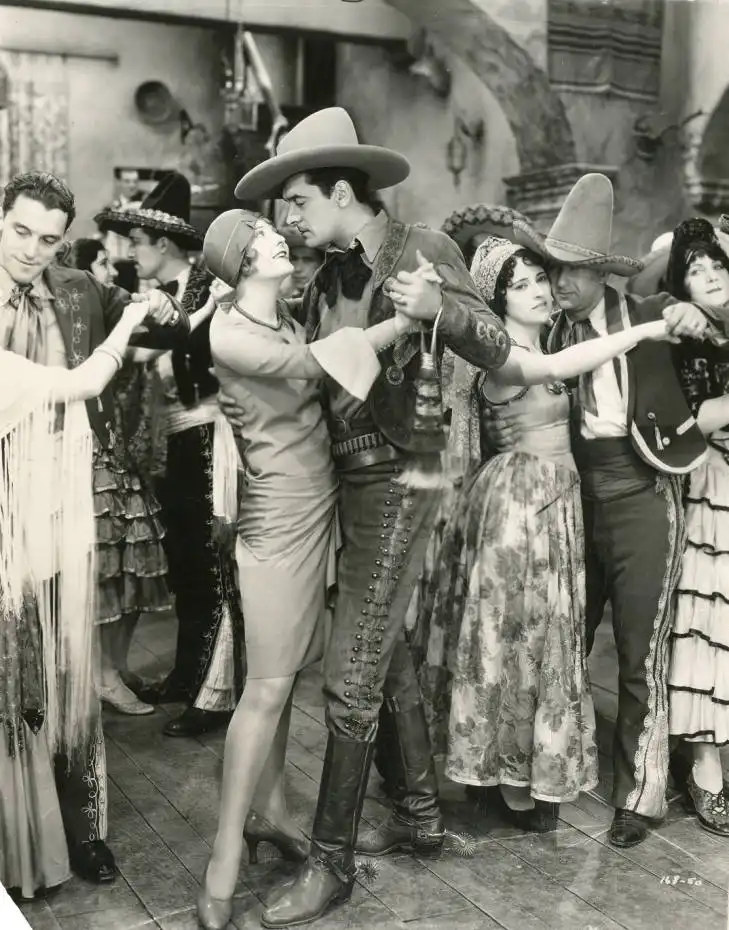
Pacing-wise, it's what you'd expect from 1929. There are moments that linger a bit long on a landscape shot, or a reaction. The early scenes at the fiesta, though, have a nice energy, a quickness before the *real* plot kicks in. It's a contrast that makes Ghent's eventual act feel even more sudden and, frankly, _unwarranted_.
The 'Great Divide' itself as a setting feels more like a concept than a truly integrated visual element. It's just 'outdoorsy,' a backdrop for this very questionable character arc. Not a lot of sweeping, grand cinematography that really uses the landscape to its full potential, sadly. It’s more functional than artistic, if you ask me.
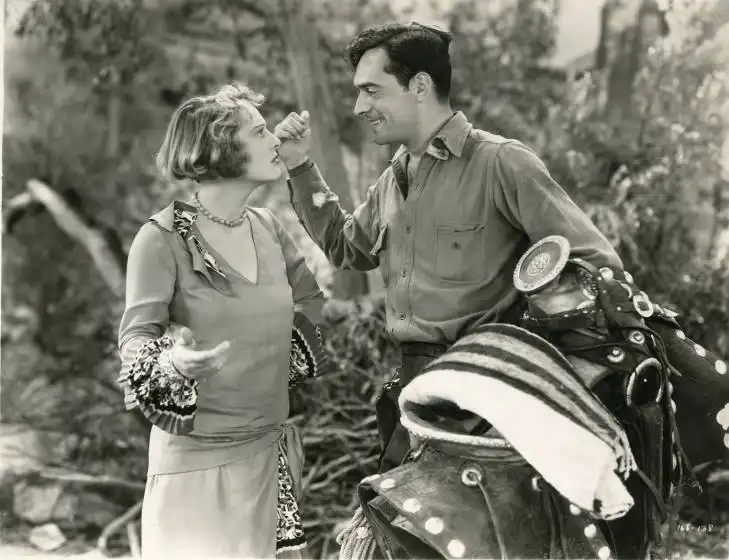
There's a scene where Ruth is just… *exhausted* after being dragged around. Her slump, the way she just gives up trying to fight for a moment, it sticks with you. It’s a quiet, raw moment in a film full of very dramatic silent-era acting. It felt surprisingly real, even through the old film grain.
You can almost feel the filmmakers grappling with what they thought was a compelling narrative. The idea of a man 'saving' a woman from herself, even if it involves coercion, was definitely a trope then. It's a bit uncomfortable now, to say the least. It makes you think about how far storytelling has come, and sometimes, how little.
This movie doesn’t shy away from its bold, if somewhat _problematic_, premise. It's a fascinating peek into an older cinematic language and a reminder of changing social values. Don't go in expecting a modern romance, or even a particularly progressive one. Go in expecting a piece of history, with all its peculiar edges. 📜
IMDb 4.3
1926
Community
Log in to comment.