DbcultAccessing Vault...
Cult Review
Senior Film Conservator
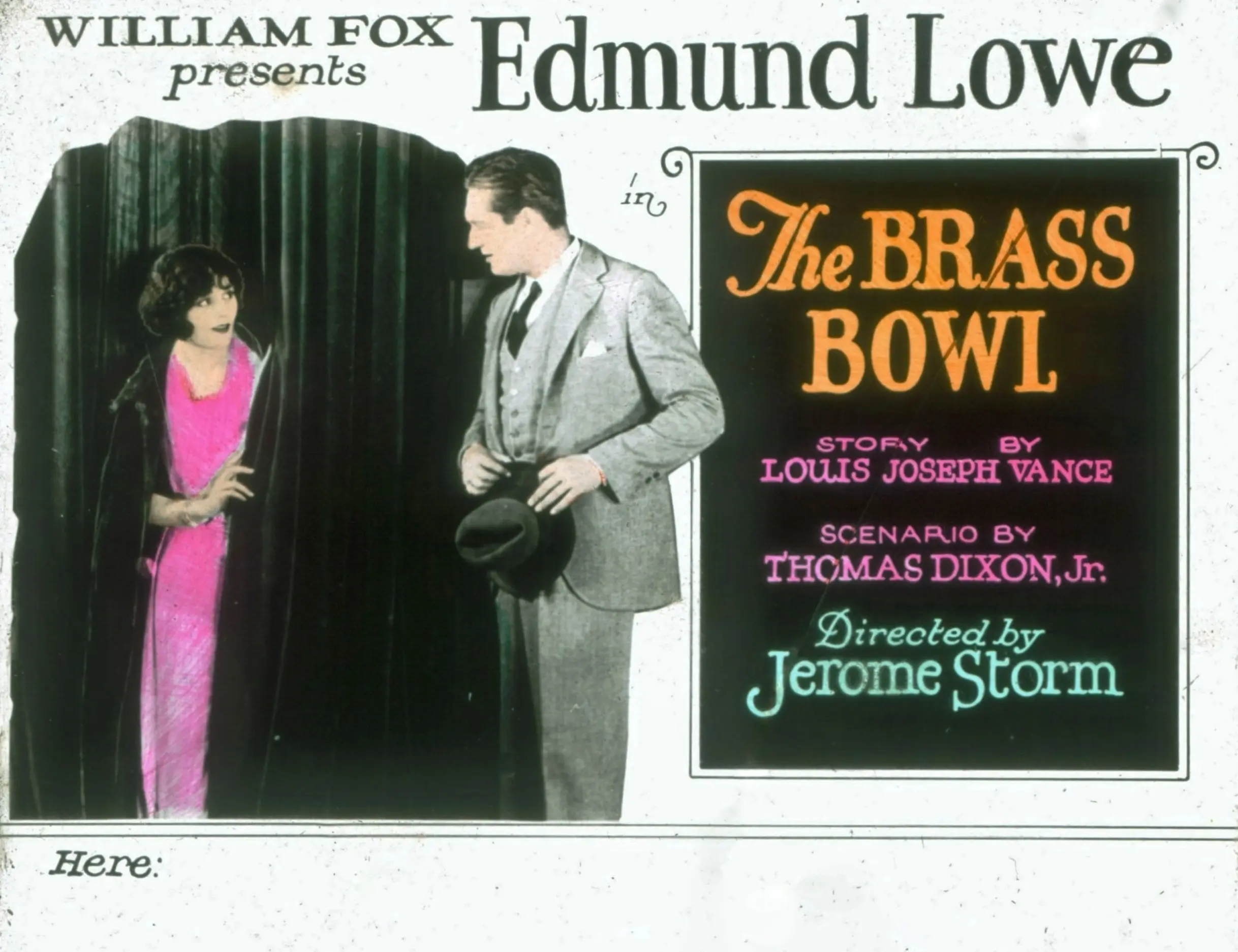
The Brass Bowl, a cinematic conundrum of identity and deception, masterfully weaves a complex narrative that keeps viewers enthralled. This 1923 silent film, though somewhat obscure, showcases the art of storytelling through visual cues and the talented performances of its cast, including Edmund Lowe and Claire Adams.
The film's premise, skillfully crafted by writers Thomas Dixon Jr. and Louis Joseph Vance, revolves around Dan Maitland, a man whose tranquil country life is disrupted by Sylvia, a mysterious and alluring young woman. Her intentions, initially misconstrued by Dan, lead to a series of misunderstandings and thrilling episodes that propel the narrative forward with unrelenting momentum.
Thematic elements of mistaken identity and deception are expertly intertwined, recalling other silent films of the era, such as The Faithful Heart and The Secret of the Pueblo, which similarly explore the complexities of human relationships and the blurred lines between reality and illusion.
The character of Anisty, Dan's doppelganger and a notorious thief, serves as a catalyst for chaos, introducing an element of unpredictability that keeps viewers engaged. The dynamic between Dan, Sylvia, and Anisty forms the crux of the narrative, as they navigate a world of confusion and deception. This triangular relationship underscores the film's exploration of identity, morality, and the human condition.
Upon closer inspection, The Brass Bowl reveals itself to be a nuanced exploration of the human psyche. Sylvia's motivations for attempting to open Dan's safe are rooted in a desire to protect her father from incrimination, adding a layer of depth to her character and the overall narrative. This poignant revelation underscores the film's ability to balance action, romance, and drama, rendering it a compelling watch.
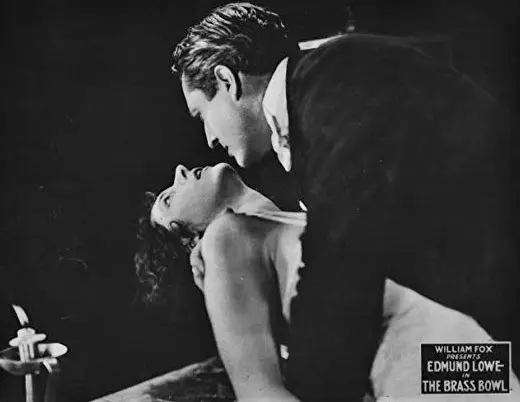
The performances of the cast, particularly Edmund Lowe and Claire Adams, are noteworthy, bringing depth and nuance to their respective characters. The supporting cast, including Leo White and Fred J. Butler, add to the film's richness, creating a believable and immersive world.
In comparison to other films of the era, such as Life's Blind Alley and The Book Agent, The Brass Bowl stands out for its innovative storytelling and expert direction. The film's use of visual cues and clever plot twists creates a sense of tension and suspense, keeping viewers engaged and invested in the narrative.
Technical aspects of the film, including cinematography and editing, are equally impressive. The use of lighting and shadows creates a sense of atmosphere and mood, drawing viewers into the world of the film. The editing is seamless, with a narrative flow that is both engaging and coherent.
The Brass Bowl is a testament to the enduring power of cinema to captivate and enthrall audiences. This 1923 silent film, though somewhat forgotten, remains a masterpiece of the medium, offering a unique blend of action, romance, and drama. As a cinematic enigma of identity and deception, The Brass Bowl continues to fascinate, inviting viewers to unravel its complexities and immerse themselves in its captivating world.
In conclusion, The Brass Bowl is a must-see film for anyone interested in the art of storytelling and the evolution of cinema. Its innovative narrative, memorable characters, and technical achievements make it a standout of the silent era, offering a rich and rewarding viewing experience.
IMDb 5.2
1932
Community
Log in to comment.