DbcultAccessing Vault...
Cult Review
Senior Film Conservator
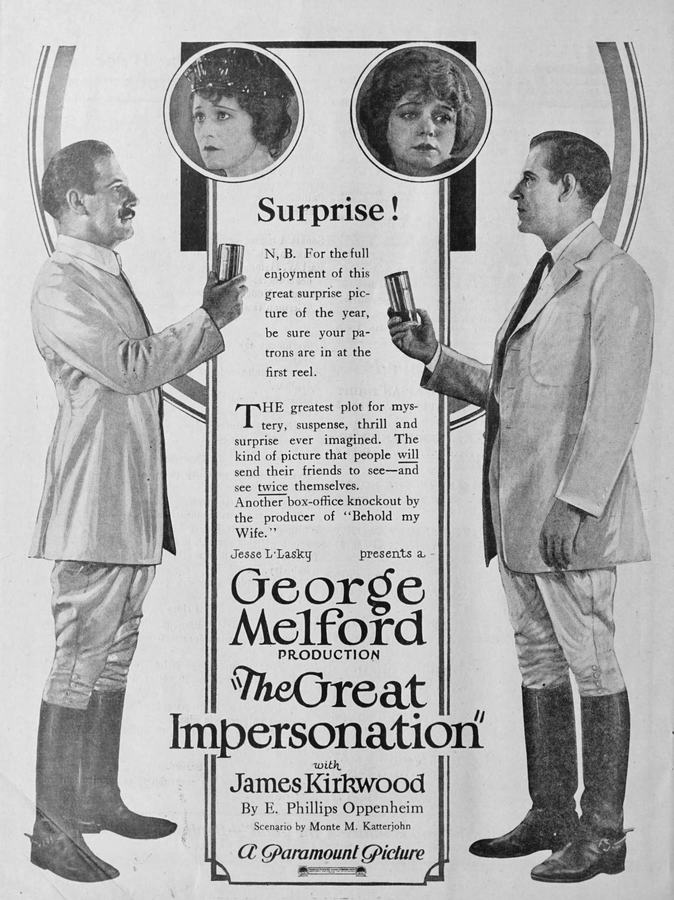
In the annals of early cinema, few films capture the intricate paranoia and geopolitical machinations of the pre-World War I era with the compelling tension of 'The Great Impersonation.' Directed by James Kirkwood and adapted by Monte M. Katterjohn from the celebrated novel by E. Phillips Oppenheim, this silent film stands as a testament to the enduring power of a well-crafted spy narrative. It plunges its audience into a world teetering on the brink, where the very concept of personal identity becomes a weapon, a shield, and ultimately, a nation's undoing or salvation. The narrative commences with a disquieting premise: the return of Everard Dominey, a man whose prolonged absence has done little to prepare his loved ones for the subtle, yet profound, alterations in his demeanor. This isn't merely a tale of a man changed by his experiences abroad; it is an unsettling psychological drama wrapped in the cloak-and-dagger intrigue of international espionage.
The central conceit, the return of a man who may or may not be who he claims, is executed with a remarkable degree of finesse for its time. Winter Hall delivers a performance that must navigate the treacherous waters of portraying both the 'true' Everard Dominey and his potential impostor. The narrative hinges on the subtle cues — a turn of phrase, a forgotten memory, a flicker in the eyes — that suggest a profound disconnect between the man who left and the man who has returned. This ambiguity is the film's beating heart, fostering an almost suffocating sense of suspicion that permeates every interaction. His wife, played with a delicate balance of hope and growing dread by Ann Forrest, and other acquaintances, including Alan Hale in a pivotal role, gradually discern that something is amiss. Their reactions, ranging from bewildered concern to outright alarm, serve as the audience's emotional compass, guiding us through the labyrinthine deception. The film masterfully exploits the human tendency to rationalize the improbable, showcasing how easily personal affection and societal politeness can blind individuals to the most audacious of deceptions.
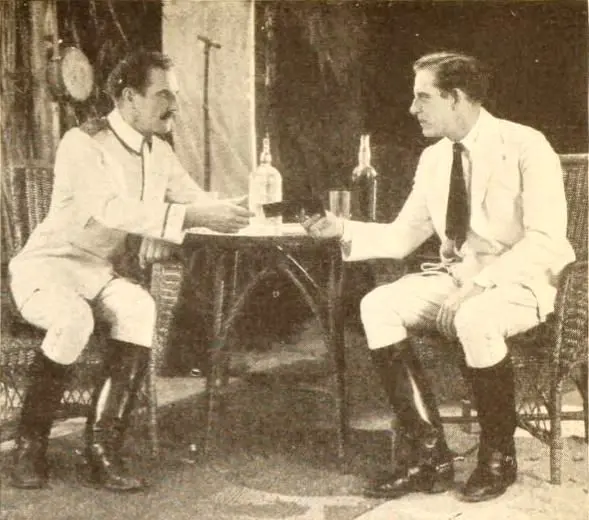
What elevates 'The Great Impersonation' beyond a mere domestic mystery is its expansive, urgent backdrop: Europe hurtling towards the abyss of war. The film brilliantly weaves the personal drama of identity theft into the larger tapestry of geopolitical tension. England, a bastion of imperial power, is depicted as vulnerable, infiltrated by saboteurs and spies working for a rival power, presumably Germany. This context imbues every scene with a heightened sense of urgency and danger. The stakes are not merely the reputation or sanity of a single family, but the very security of a nation. The plot unfolds with a relentless precision, revealing layers of conspiracy that extend far beyond the confines of Dominey's estate. Figures like William Burress and Lawrence Grant embody the sinister undercurrents of this espionage network, their presence a constant reminder of the unseen forces at play. The film taps into the deep-seated anxieties of the era, a period when national loyalty was paramount, and the fear of an 'enemy within' was a potent, palpable dread.
E. Phillips Oppenheim was a master of the spy thriller genre, his novels replete with intricate plots, sophisticated villains, and heroes caught in moral dilemmas. Monte M. Katterjohn's adaptation for the screen skillfully captures the essence of Oppenheim's narrative prowess. Translating such a complex, dialogue-driven story into the language of silent cinema is no small feat. Katterjohn, alongside Kirkwood's direction, relies heavily on visual storytelling, expressive performances, and well-placed intertitles to convey the nuances of the plot and the psychological states of the characters. The screenplay manages to maintain the novel's core intrigue, emphasizing the gradual unraveling of the deception rather than resorting to cheap thrills. This deliberate pacing allows the tension to build organically, making the eventual revelations all the more impactful. The film doesn't just present a story; it invites the audience to become detectives, piecing together clues alongside the characters, a hallmark of Oppenheim's enduring appeal.
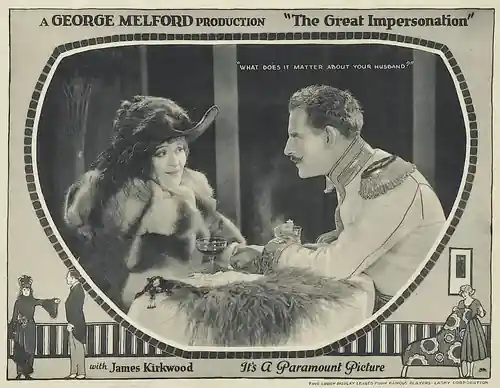
The ensemble cast, a diverse collection of talent from the era, contributes significantly to the film's immersive quality. Winter Hall’s dual-faceted portrayal is a standout, requiring him to convey both familiarity and a chilling foreignness. His ability to subtly shift between personas, sometimes within the same scene, is crucial to the film's credibility. Ann Forrest, as Dominey's wife, brings a poignant vulnerability to her role, her gradual realization of the truth etched across her expressive features. Alan Hale, a prolific actor of the silent era, injects a necessary gravitas and suspicion into his character, acting as a foil to the impostor’s machinations. The supporting cast, including Truly Shattuck, Louis Dumar, Florence Midgley, Cecil Holland, Fontaine La Rue, Bertram Johns, Tempe Pigott, and Frederick Vroom, each contribute to the rich tapestry of suspicion and intrigue. Their reactions, often conveyed through exaggerated gestures and facial expressions typical of silent film, are nevertheless effective in building the narrative's emotional weight. James Kirkwood, not only directing but also appearing in a role, demonstrates a clear understanding of how to orchestrate these performances to serve the overarching mystery.
James Kirkwood's direction is a masterclass in silent film suspense. He utilizes chiaroscuro lighting to create an atmosphere of shadow and doubt, where truth and deception constantly intertwine. The camera work, while perhaps conventional by modern standards, is effective in guiding the viewer's eye, drawing attention to the subtle details that betray the impostor's true nature. Pacing is key in a film of this genre, and Kirkwood maintains a steady, deliberate rhythm that allows the mystery to unfurl naturally, punctuated by moments of heightened drama and revelation. He avoids overt sensationalism, instead relying on the psychological tension inherent in the premise. The choice of locations, from the grand, yet slightly oppressive, English country estate to the more clandestine settings where plots are hatched, enhances the film's authentic feel. It's a testament to Kirkwood's skill that he could evoke such a complex narrative and emotional landscape without the benefit of spoken dialogue, relying instead on visual cues, the actors' physicality, and the power of suggestion. While contemporary films like Why Smith Left Home often leaned into comedic escapism, 'The Great Impersonation' dared to delve into the darker undercurrents of international espionage, showcasing the burgeoning diversity of cinematic storytelling.
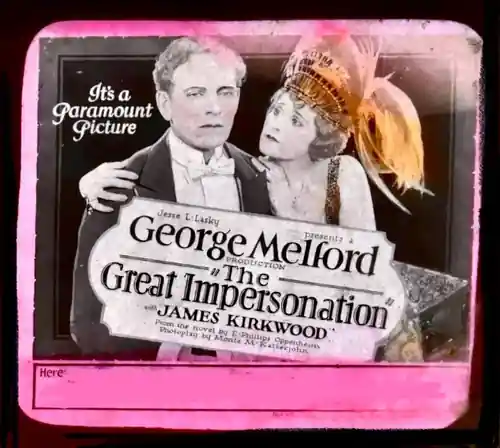
At its core, 'The Great Impersonation' is a profound exploration of trust and its fragility. The film meticulously dissects how easily trust can be exploited, not just on an individual level, but on a national scale. The idea that someone could assume another's identity, infiltrating the very heart of society and government, speaks to a deep-seated fear of betrayal from within. This theme resonates powerfully in a pre-war context, where nations were keenly aware of external threats but perhaps less prepared for the insidious nature of internal sabotage. The film implicitly asks: how well do we truly know those closest to us? And if we can be so easily deceived in our personal lives, what hope is there for the vast, impersonal machinery of state? The narrative functions as a cautionary tale, highlighting the need for vigilance and the devastating consequences of complacency in the face of cunning adversaries. It’s a stark reminder that the battlefields of war are not always distant shores, but can manifest within the drawing rooms and corridors of power.
'The Great Impersonation' might be a product of the silent era, but its thematic resonance and narrative sophistication ensure its continued relevance. It established many tropes that would become staples of the spy genre: the doppelgänger plot, the race against time, the unsuspecting loved ones caught in a web of deceit, and the looming threat of global conflict. While later films would benefit from sound and more advanced cinematic techniques, this early iteration proves that the power of storytelling lies not just in its medium, but in its ability to captivate and provoke thought. It stands as a significant precursor to countless spy thrillers that followed, from the Cold War dramas to modern espionage blockbusters. It showcases how even in its nascent stages, cinema was capable of tackling complex, high-stakes narratives with intelligence and artistic flair. The film, in its quiet intensity, demonstrates that the anxieties of identity and national security are timeless, transcending the specific historical moment it depicts. Its ability to generate genuine suspense and intrigue without a single spoken word is a testament to the ingenuity of early filmmakers and the enduring appeal of E. Phillips Oppenheim's thrilling vision.
Ultimately, 'The Great Impersonation' is more than just a historical curiosity; it is a compelling piece of cinematic art that holds its own even a century after its release. Its intricate plot, driven by the masterful storytelling of Oppenheim and the careful adaptation by Katterjohn, coupled with Kirkwood's subtle direction and a dedicated cast, creates an atmosphere of pervasive uncertainty and thrilling discovery. The journey to uncover the truth about Everard Dominey is fraught with peril, both for the characters within the narrative and for the nation they represent. It is a stark reminder that appearances can be deceiving, and that the greatest threats often lurk beneath the surface of the familiar. For enthusiasts of classic cinema and aficionados of the spy genre, this film offers a fascinating glimpse into the origins of a beloved narrative tradition, proving that suspense and high drama were as potent in the silent era as they are today. Its narrative complexities and psychological depth secure its place as a significant, albeit often overlooked, gem in the tapestry of early cinematic thrillers, urging viewers to question what they see and hear, and to remember that the truth, however elusive, will eventually emerge, sometimes with devastating consequences.

IMDb —
1920
Community
Log in to comment.