DbcultAccessing Vault...
5.7/10
Senior Film Conservator
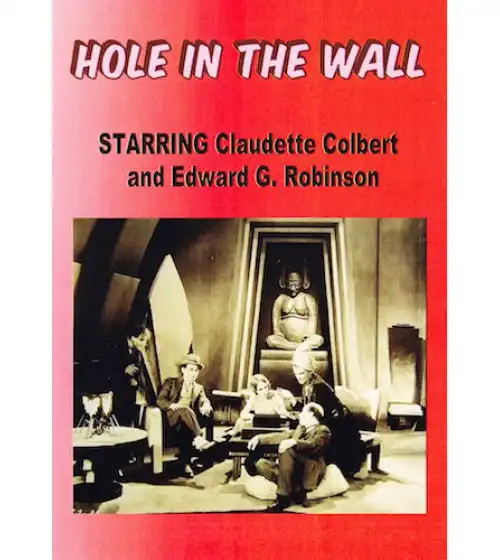
A definitive 5.7/10 rating for a film that redefined the boundaries of cult cinema. The Hole in the Wall remains a cornerstone of transgressive art.
Okay, so you're thinking about diving into a 1929 flick? The Hole in the Wall is probably for you if you're already into early talkies, or if you're a big fan of Edward G. Robinson and Claudette Colbert and want to see them *really* young. It’s got that old-school melodrama vibe. If you need super-fast pacing, crystal-clear sound, or modern acting nuances, you’ll probably find yourself pretty bored, or maybe even a little frustrated.
The setup is classic revenge. Jean Oliver, played by a very young Claudette Colbert, gets framed and sent to prison by Mrs. Ramsey. Once she's out, Jean, now masquerading as "Madame Mystera" — a fortune teller with some serious street smarts — decides to get even by kidnapping Mrs. Ramsey’s granddaughter, even planning to turn the kid into a thief. Talk about a long game! 🕵️♀️
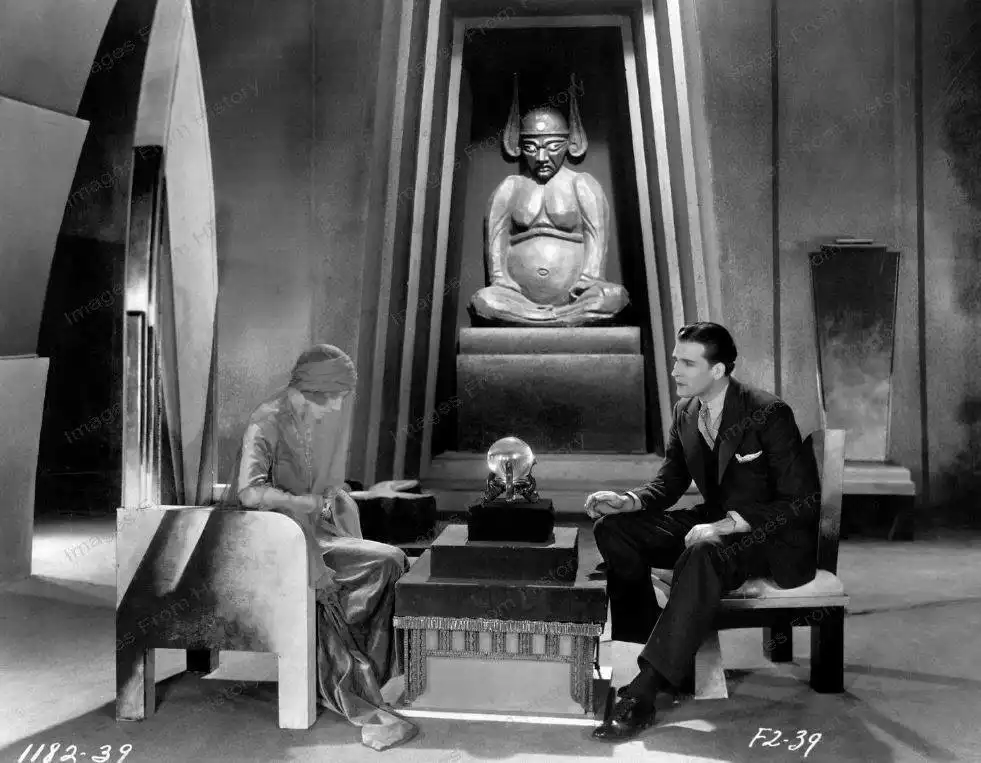
Edward G. Robinson pops up as "The Fox," a gangster who runs the fortune-telling joint. He’s got this intense stare even back then. You can tell he’s already got that signature, slightly menacing presence, even if the acting style of the time is a bit more… theatrical. He moves with this certain gravitas, even when he’s just sitting there, not doing much.
There's this scene where Jean first meets The Fox, and he’s just sizing her up. It's not a long moment, but Robinson manages to convey a lot with just his eyes. Like he’s already calculating angles. You almost forget it's 1929 for a second.
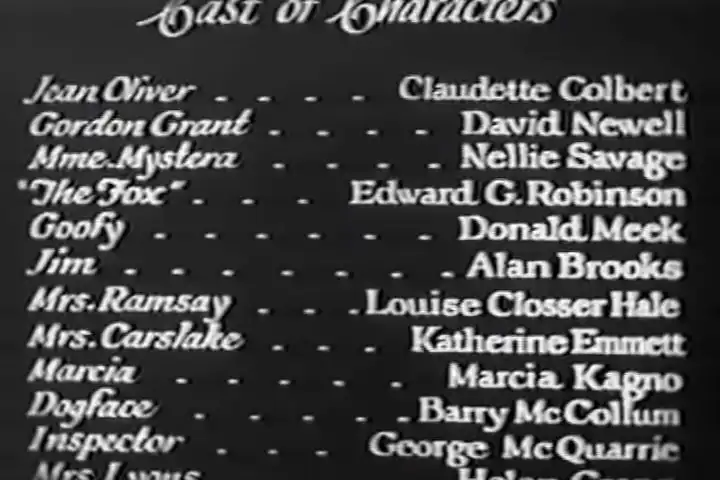
Claudette Colbert as Jean is interesting. She starts off with this real bitterness, which makes sense given the whole prison thing. Then, as Madame Mystera, she’s all mysterious and confident, but you see glimmers of her true feelings, especially when she’s interacting with the little girl. It’s a pretty nuanced performance for the era. The way her voice shifts from hard to almost tender when she talks to the child is actually quite good.
The whole kidnapping plan itself is… well, it’s a bit convoluted. Madame Mystera and her gang snatch the granddaughter, but the goal isn’t really ransom. It's more about a twisted sort of psychological torture for Mrs. Ramsey. The idea of turning a sweet little girl into a crook feels pretty dark for a film of this period.
Then there’s Grant, the newspaperman. He kind of stumbles into the whole thing. He’s the good guy, obviously, but he doesn't have the same magnetic pull as Robinson or Colbert. He’s mostly there to be a foil, and maybe a love interest, though that feels a little forced in parts. You can feel the plot trying to push them together, but the sparks aren't exactly flying off the screen.
The pacing can be a bit slow, especially by today's standards. There are stretches where dialogue scenes just *linger*. You get a lot of close-ups on faces as people deliver their lines, which sometimes feels like a stage play being filmed. The sound quality, too, is typical of early talkies — a bit tinny, sometimes hard to hear, and the actors often speak with that very distinct, clipped 1920s cadence. You gotta lean in sometimes.
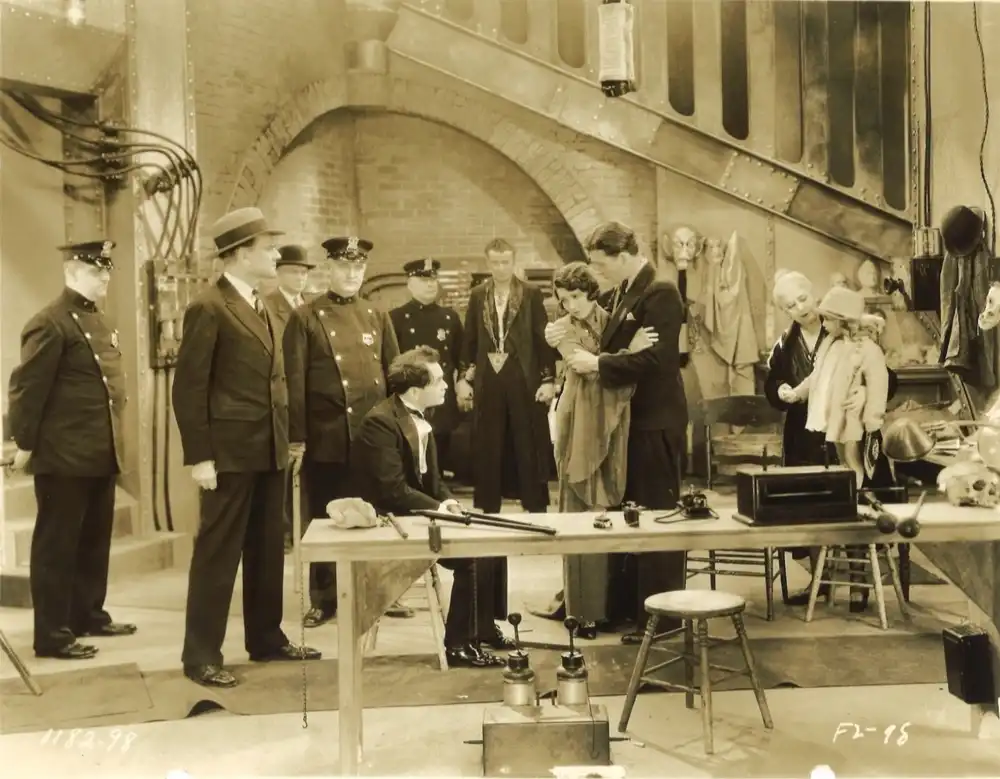
I did like some of the visual touches. The fortune-telling parlor itself has this wonderfully smoky, slightly spooky atmosphere. It’s not elaborate, but it gets the mood across. The camera isn't doing anything flashy, but it knows where to point.
The film has this moment where The Fox is trying to escape, and it gets surprisingly tense. He's not just a flat villain; he has his own code, or at least he tries to. You actually wonder for a second if he'll get away with it, even though you know he probably won't. His interactions with Jean are probably the most compelling parts of the movie, full of unspoken tension.
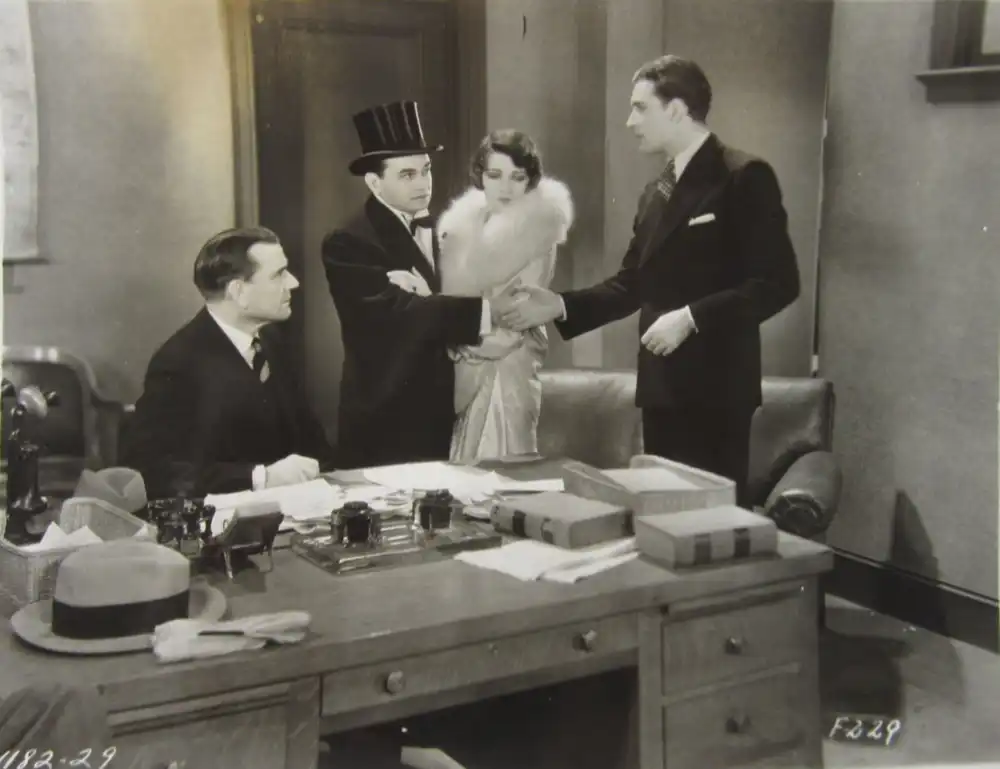
One thing that stuck with me: the way the little girl, Marcia Kagno, reacts to being kidnapped. She’s not overly dramatic, but her quiet confusion is effective. You see her trying to make sense of these strange adults. It's not a huge part, but it makes the stakes feel a bit more real.
The ending wraps things up pretty neatly, maybe *too* neatly. It feels like they just needed to tie off all the threads quickly. Still, it’s a decent enough watch if you’re into cinematic history. It's a glimpse into how storytelling worked right at the dawn of sound. And honestly, just seeing Edward G. Robinson and Claudette Colbert in their early roles is a treat. It’s rough around the edges, sure, but it’s got a certain charm. ✨
IMDb 5.7
1935
Community
Log in to comment.