DbcultAccessing Vault...
6.7/10
Senior Film Conservator
A definitive 6.7/10 rating for a film that redefined the boundaries of cult cinema. Who's Afraid? remains a cornerstone of transgressive art.
Is 'Who's Afraid?' a silent film worth unearthing and watching in our fast-paced, high-definition era? Short answer: yes, but with a few crucial caveats that define its unique charm and occasional frustrations.
This largely forgotten silent comedy offers a delightful, if dated, glimpse into the physical humor and narrative ingenuity of its time, making it a surprisingly engaging watch for cinephiles and those curious about early cinema, but it will likely test the patience of viewers accustomed to modern pacing and explicit dialogue.
This film works because: Its precise physical comedy, the ingenious use of a confined setting, and the palpable chemistry between its leads create moments of genuine, timeless humor.
This film fails because: Its narrative simplicity can feel thin over an extended runtime, and the lack of a modern score or restored print can hinder full immersion for contemporary audiences.
You should watch it if: You appreciate the artistry of silent film, are a fan of classic slapstick, or are keen to explore the foundational elements of cinematic comedy. Avoid it if you require fast-paced action, complex plots, or constant dialogue to maintain engagement.
In the vast, often overlooked archives of silent cinema, there exist countless gems that, despite their age, continue to sparkle with ingenuity and artistic merit. 'Who's Afraid?' is undeniably one such film. It's not a grand epic or a groundbreaking drama; instead, it's a finely tuned exercise in comedic tension, a testament to the power of visual storytelling when dialogue was but a dream for the nascent medium.
This film, while perhaps lacking the widespread recognition of Chaplin or Keaton's masterpieces, carves out its own niche with a clever premise and committed performances. It invites us to consider what truly constitutes a 'classic' and whether relevance is solely tied to cultural ubiquity.
The premise of 'Who's Afraid?' is deceptively simple: a man, Claude (Robert Graves), seeking to evade a pursuing police officer, ducks into a museum. What could possibly go wrong? Everything, as it turns out. The doors lock behind him, trapping him in the silent, eerie expanse of the museum after hours. This initial setup immediately establishes a palpable sense of comedic dread and anticipation.
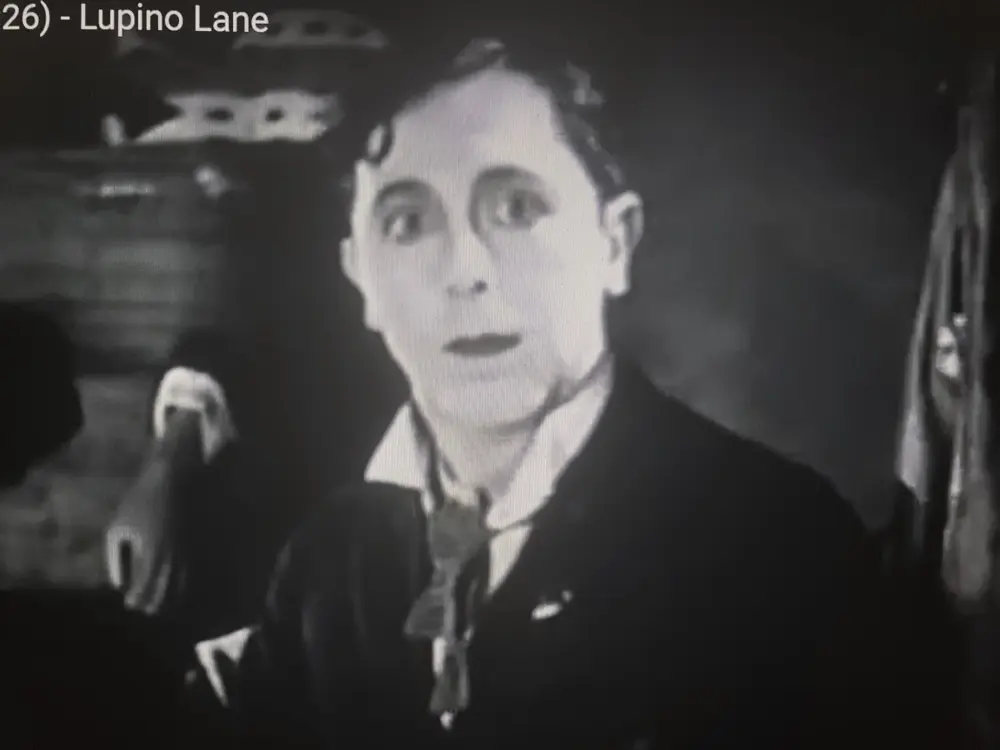
The true genius of the plot, however, unfolds with the arrival of two burglars, played by Lupino Lane and Harry Spear. Their presence escalates Claude's predicament from mere inconvenience to an active, often chaotic, struggle for survival and, inadvertently, for the protection of the museum's treasures. The film masterfully uses the museum's diverse exhibits – statues, suits of armor, intricate displays – not just as a backdrop but as active participants in the unfolding farce.
This narrative structure is a classic 'locked-room' scenario, but infused with the boundless energy of silent-era slapstick. It’s a testament to the writers, even if uncredited, that they could wring so much tension and humor from such a contained environment. The story is linear, escalating steadily, yet never feels rushed or underdeveloped within its concise runtime.
At the heart of 'Who's Afraid?' lies its superb physical comedy, largely carried by its lead performers. Robert Graves as Claude embodies the everyman thrust into extraordinary circumstances. His reactions are a masterclass in silent expressiveness, conveying panic, determination, and exasperation without a single spoken word. He's not a superhero; he's just a man trying to survive a really bad night.
Lupino Lane, a lesser-known but equally talented contemporary of the era's giants, shines as one of the burglars. His acrobatic agility and precise comedic timing are a joy to behold. There’s a particular sequence where Lane navigates a precarious situation involving a ladder and a statue that showcases his exceptional command of physical space and comedic choreography. It’s a moment that could easily stand alongside gags from Keaton or Lloyd in its execution and ingenuity.
The interplay between Graves's frantic, reactive hero and Lane's more deliberate, yet equally chaotic, villain creates a dynamic tension that fuels much of the film's humor. Kathryn McGuire, while having a less prominent role, contributes to the overall ensemble, often serving as a catalyst for certain actions or reactions, adding another layer to the comedic misunderstandings.
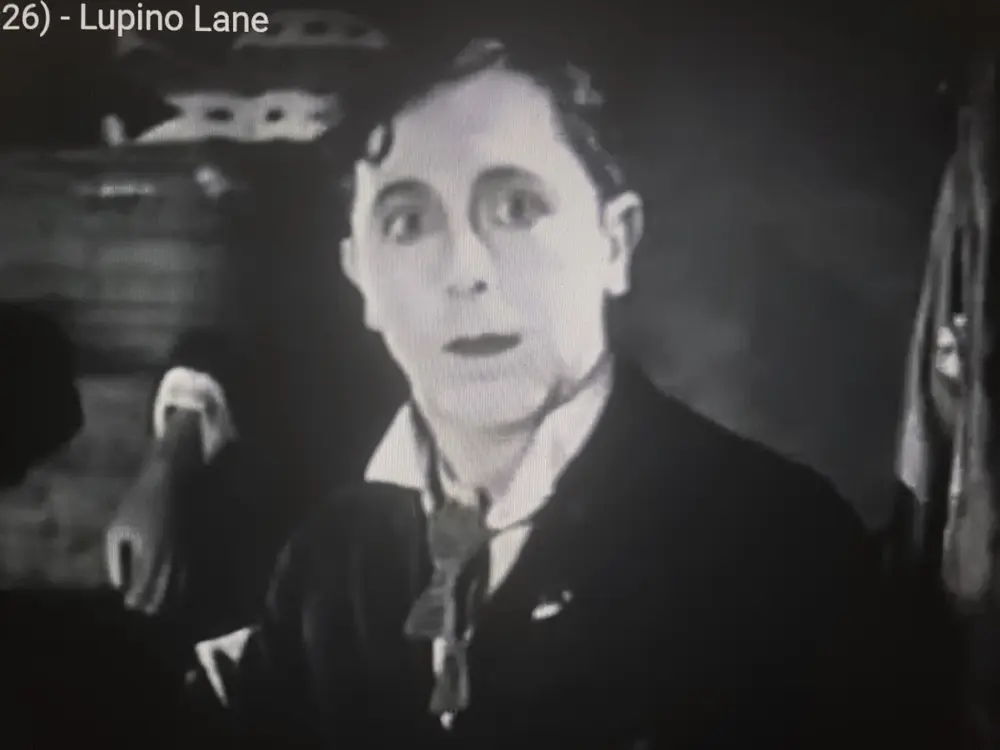
My observation is that the film's success hinges entirely on the actors' ability to communicate complex emotions and intentions through gesture and facial expression alone. They do so with remarkable clarity, pulling the audience into their world without the crutch of dialogue. This is where silent cinema truly proves its enduring power.
The direction of 'Who's Afraid?' is surprisingly sophisticated for its time, particularly in its use of space and pacing. The director (whose identity is unfortunately lost to time, a common plight for many early films) demonstrates a keen understanding of how to build suspense and generate laughs within the confined museum setting. Every corner, every exhibit, feels purposeful.
The cinematography, while not groundbreaking, is effective. The use of available light, or the simulation thereof, to create a sense of nighttime mystery and occasional deep shadows, adds to the atmosphere. There are moments of clever framing that emphasize the isolation of Claude or the stealth of the burglars, drawing the viewer deeper into the nocturnal struggle. It’s less about grand sweeping shots and more about intimate, functional framing that serves the comedic action.
Pacing is another strong suit. The film starts with a relatively calm introduction, building gradually to the moment Claude is locked in. Once the burglars appear, the pace accelerates, maintaining a thrilling, almost breathless, rhythm through the various chase and hide-and-seek sequences. This escalation is crucial for a silent film, preventing lulls and keeping the audience engaged through purely visual means.
The tone is predominantly lighthearted slapstick, but with an underlying current of genuine peril. This balance is tricky to strike, but 'Who's Afraid?' manages it admirably, ensuring that while we laugh, we also feel a degree of investment in Claude's fate. It's a comedic thriller, a blend that was perhaps more common in the silent era than we often acknowledge today, as seen in films like Control Yourself.
Absolutely. For anyone with an appreciation for film history, or simply a love for well-executed physical comedy, 'Who's Afraid?' offers genuine rewards. It's a compact, entertaining piece of cinema that holds up surprisingly well, provided you approach it with an open mind and an understanding of its historical context.
However, it's crucial to manage expectations. This isn't a modern blockbuster with CGI and a pulsating score. It's a product of its time, relying on ingenuity, performance, and visual storytelling. The lack of sound can be a hurdle for some, and the narrative, while effective, isn't complex. But these aren't flaws; they are characteristics of the medium at its purest.
Its value lies in its ability to transcend the limitations of its era, to deliver universal humor and suspense through a visual language that remains potent. It's a reminder that good storytelling and compelling performances don't require dialogue.
My unconventional observation: The museum itself functions as a silent, formidable antagonist. Its vastness, its labyrinthine corridors, and its inanimate inhabitants all conspire to both aid and hinder Claude, turning the setting into a character as active as any human performer. It's not just a backdrop; it's a participant in the comedic chaos.
It’s my contention that 'Who's Afraid?' possesses an unconventional appeal precisely because it isn't one of the 'big' silent films. It’s a workhorse of a comedy, proving that a solid premise, strong performances, and clever direction are more than enough to create lasting entertainment. It doesn't rely on grand pronouncements or societal commentary; it simply aims to make you laugh and hold your attention, and it succeeds admirably.
There's a gritty, almost improvisational feel to some of the sequences, even though they are clearly meticulously planned. This gives the film an authenticity that many more polished productions sometimes lack. It feels like you're watching real people, albeit exaggerated caricatures, fumble through a truly bizarre night.
Furthermore, the film challenges the notion that silent cinema is inherently slow or quaint. 'Who's Afraid?' is anything but. It’s dynamic. It’s energetic. It’s a thrilling ride. It works. But it’s flawed.
‘Who’s Afraid?’ is a charming, often exhilarating, piece of silent comedy that deserves more recognition. It's a delightful example of how effective visual storytelling can be, even a century later. While it might not rewrite the rulebook of cinema, it executes its simple premise with such skill and infectious energy that it’s impossible not to be drawn into Claude's chaotic night. For those willing to embrace the unique language of silent film, it offers a refreshing and genuinely funny experience.
It is an essential watch for cinephiles and a highly recommended diversion for anyone curious about the foundational artistry of film. Don't let its age or lack of dialogue deter you; this is a film that speaks volumes without uttering a single word. It may not be a cinematic masterpiece in the grandest sense, but it is, without a doubt, a masterclass in comedic execution and a testament to the enduring power of physical performance.
IMDb 6.6
1937
Community
Log in to comment.