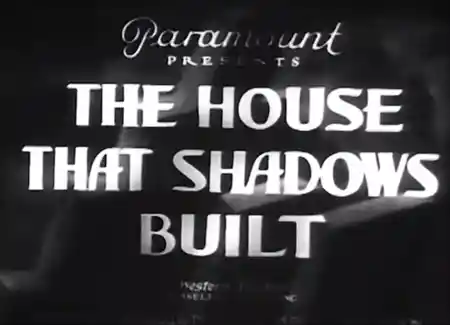
A definitive 6.7/10 rating for a film that redefined the boundaries of cult cinema. The House That Shadows Built remains a cornerstone of transgressive art.
Alright, so is The House That Shadows Built worth your time today? Look, for most folks just wanting a movie to kick back with, probably not. 🙅♀️ It’s not really a movie in the usual sense. But if you’re a film history buff, or someone who loves digging into the silent era and the early days of talkies, then yeah, absolutely. You’ll probably hate it if you need a story, clear plot, or modern pacing. It’s more of a historical artifact.
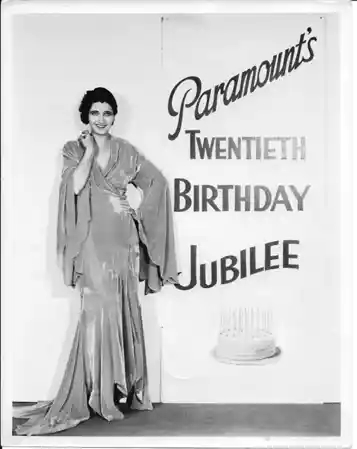
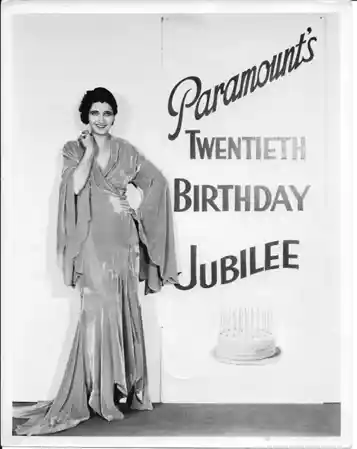
This whole thing is Paramount Pictures celebrating their twentieth birthday. Imagine a giant studio deciding to throw itself a party and film the highlights. That’s pretty much what this is: a big, sprawling showcase of its stars, old clips, and what’s coming next. It's a fascinating, if sometimes _really_ clunky, look back at a very specific moment in cinema.
Catching the Glimpses
The pacing, oh boy. It’s a series of short bursts. One moment you're seeing a quick clip of Dorothy Dalton, barely a flicker, then suddenly it’s The Abysmal Brute with Reginald Denny. The transitions are often super abrupt, like someone just spliced things together with a pair of scissors and called it good.✂️ It’s not seamless, not at all, which actually makes it kinda charming in its own way.
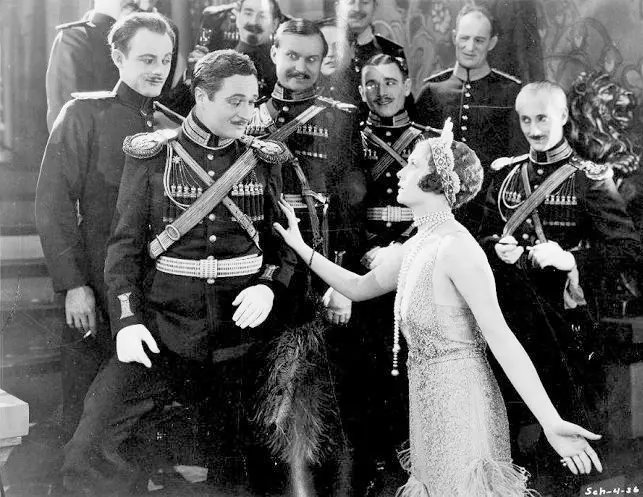
Scene from The House That Shadows Built
Cinematic perspective: Exploring the visual vocabulary of The House That Shadows Built (1931) through its definitive frames.
You get these little snippets of actors. Bebe Daniels here, a flash of Wallace Beery there. Some of them, honestly, are just quick portraits, like a yearbook photo that moves for a second. It's like the film is trying to cram in everyone, and some folks just get a blink-and-you-miss-it appearance. You almost feel the editor trying to make sure _no one_ was left out.
And then there’s the Marx Brothers! Groucho, Harpo, Chico, Zeppo — they pop up, even if it’s only for a short bit. Seeing them in this context, amidst all these other, often more dramatic, stars of the day, really highlights their unique, anarchic energy. It's like a sudden burst of pure chaos in a fairly polite, celebratory presentation. The early bits with Chico at the piano, even brief, _really_ stick with you.
That brief shot of Clara Bow, even through the scratchy film, her energy just leaps out. Wow. She was *it*.
Scene from The House That Shadows Built
Cinematic perspective: Exploring the visual vocabulary of The House That Shadows Built (1931) through its definitive frames.
There are moments where the film quality is just… something else. Scratches, fading, sometimes it’s hard to make out faces. But then, every so often, a clip will appear surprisingly clear, and for a second, you’re right there. It’s a very mixed bag, visually. Like watching an old home movie that's been passed around a few too many times.
The Sound of Silence, and Then Not
This film comes right at the cusp of sound. So you have all these silent era titans, their dramatic expressions and exaggerated gestures filling the screen. And then, every now and then, a clip with sound. It's a bit jarring, honestly. The voices sometimes sound a little thin, a little tinny, like they’re coming from a very old radio stuck in another room. But it’s a brilliant reminder of that huge shift Hollywood was going through.
The way they present the "coming attractions" is just wild. Not sleek trailers, nope. More like title cards, a few rapid cuts, maybe a shot of the director looking serious.
Seeing early Claudette Colbert is quite something. Even then, you can tell she had that certain spark.
The focus on John Barrymore, a huge star. His segment feels a bit more substantial, a real tribute.
It’s less about a coherent narrative and more about an experience. You’re watching the studio flex its muscles, showing off its roster, saying “Look at us! We made it 20 years!” You can almost feel the corporate pride radiating off the screen, even through the decades.
The title itself, The House That Shadows Built, is so fitting. It’s literally built from the shadows of film, flickering images of the past. But it also evokes the idea of a legacy, built by these stars and their often-forgotten performances. It’s a tribute, yes, but also a bit of an elegy for an era that was rapidly fading. The whole thing feels oddly sentimental and boastful all at once. Like a grandparent showing you their old photo albums and telling you stories, but also subtly reminding you how important they once were. 😊
So, yeah. Go into it knowing what it is: a historical document, a collection of fleeting moments, a snapshot of Paramount at a crossroads. It's not an easy watch, but it's an important one if you care about where movies came from. It's rough around the edges, absolutely. But it has its own peculiar charm. Like finding a crumpled, signed photo of a silent film star at a flea market. It’s not perfect, but it’s _real_.