DbcultAccessing Vault...
Cult Review
Senior Film Conservator
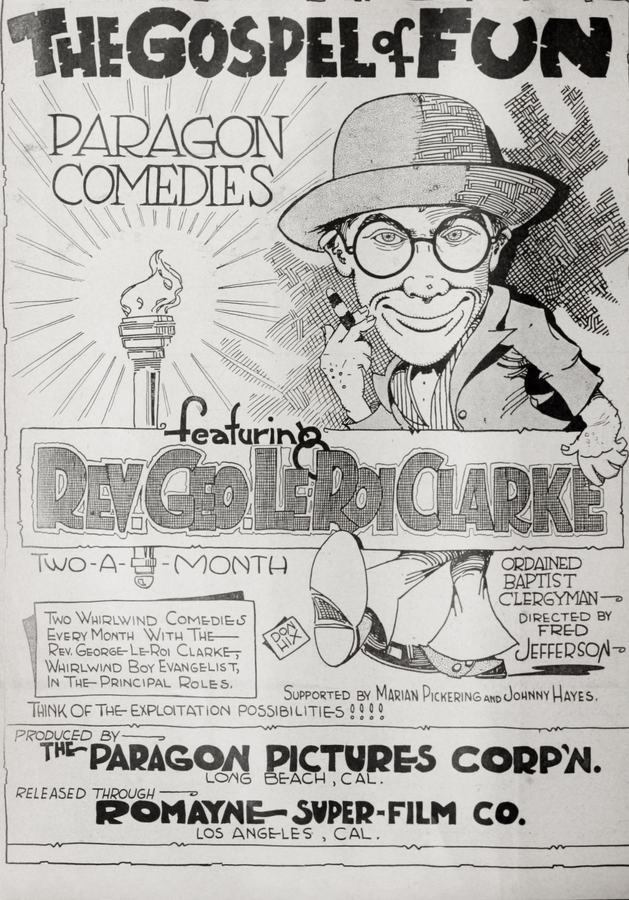
George LeRoi Clarke’s elastic mug arrives like a flicker of nitrate lightning—half-huckster, half-holy fool—framed by intertitles that crackle with the sarcasm of a cabaret emcee. One moment he’s flattening himself against brickwork while whistles shrill behind him; the next he’s ogling a rink poster whose curlicued promise—“Instructor Wanted, Skating Elegance Our Creed”—might as well be a death warrant signed in Comic Sans. The joke, savage and sweet, is that the man cannot stand upright on eight wheels, let alone sculpt pirouettes from suburban boredom.
Inside the roller cathedral—varnished floorboards smelling of carnauba and adolescent aspiration—George’s first stride detonates like a shell in a china shop. Bodies scatter; clarinets squeal; the camera, drunk on Dutch tilts, ogles the mayhem. Yet the film refuses mere pratfall anthropology. Each spill is a stroboscopic confession: here is modern man auditioning for a role whose script he never bothered to read. The rink’s oval becomes a Möbius strip of shame; every lap returns him to the scene of the crime—his own unmasked face.
Enter the cashier—unnamed in surviving prints, played by a sylph with Louise Brooks eyes and a smock the color of dishwater saints. She trades tickets for nickels, but her gaze trades skepticism for wonder. Their courtship is conducted in the negative space between organ bursts: a gloved hand steadying a wobbling stranger, a shared grimace when a child rockets past trailing shoelaces like comet tails. The film’s emotional contraband arrives sideways—never in declarations, always in the hush after a laugh.
Watch how she pockets his crumpled cigarette paper as if it were a stanza by Verlaine; watch how he, in turn, pockets the sight of her collarbones limned by the mirror-ball’s slow revolution. Silent cinema excels at desire that must smolder without dialogue, and here it smokes like a fuse.
The proprietor—pear-shaped, waxed moustache twisted into horns—embodies petty capitalism in a tailcoat. His ultimatum: stage a spectacle for the mayor’s visit or forfeit wages, dignity, and the skin on George’s posterior. Thus the narrative tightens its garrote. Training montages splice together under-cranked frenzy: George strapped between two chairs like a scarecrow on rollers; George reading Skating for Dummies upside-down; George praying to a shrine comprised of a broken lamp and a pork-pie hat. The gag reflex of the film is that we begin to root for the con, for the beautiful lie.
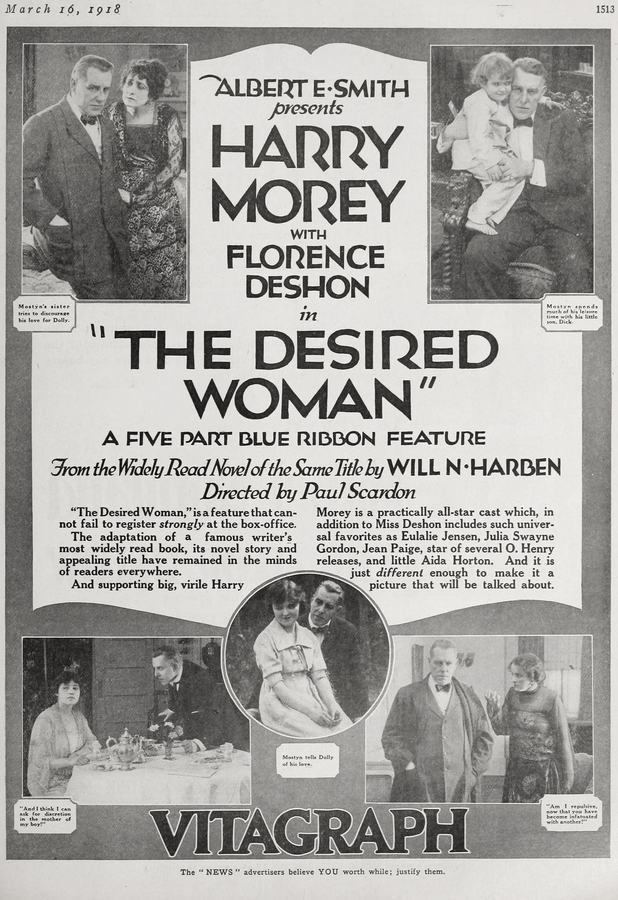
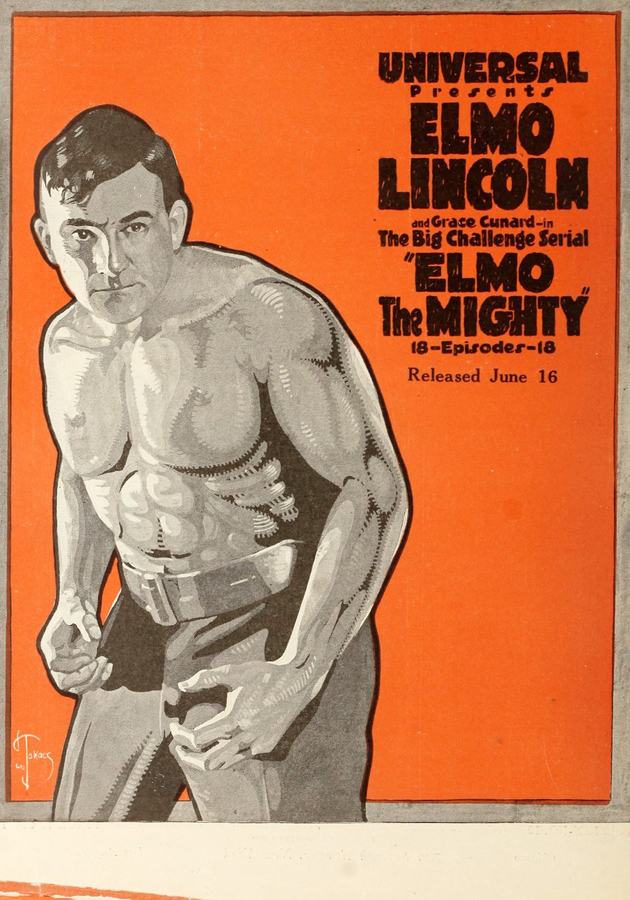
Place The Instructor beside Stop Thief—both hinge on larceny, yet whereas the latter chases kinetic cynicism through urban grids, our rink reverie pirouettes toward absolution. Contrast it with the maritime fatalism of The Mutiny of the Elsinore: on deck, survival is measured in bloodied rope; on parquet, survival is measured in the audacity to keep grinning while your coccyx begs for mercy. Even The Sea Flower—all tidal romanticism—lacks the intimate bruise of this film’s clownish asceticism.
Night of the pageant: bunting zigzags like patriotic spaghetti; searchlights carve white scars across the ceiling. George emerges in sequined knickerbockers, a human disco ball whose confidence is held together by equal parts hubris and starch. The orchestra launches into a gallop; couples unfurl into arabesques. Our hero pushes off—
—and for four heartbeats he is weightless, a comet-tail of possibility. Then physics reasserts its tyranny. His legs scissor into catastrophic geometry; arms semaphore distress signals; the floor rushes up like a disappointed parent. Yet the collapse is not defeat. In the debris of his dignity he notices the cashier skating toward him, unafraid of contamination by association. Together they form a two-person constellation, orbiting the rink at the speed of public ridicule transmuting into communal affection.
Director Wilfred L. de Chateau—barely remembered outside of patent-office ledgers—shoots through a prism of influences: German Expressionism’s slanted shadows, Méliès’ carnival surrealism, and the home-grown sass of Sennett. Note how he double-exposes the mirror-ball’s facets over George’s perspiring face, turning anxiety into a kaleidoscope of broken halos. The tinting strategy—amber for rink interiors, cerulean for exterior night—creates a temperature map of emotional climate change.
Surviving prints lack the original organ score, yet the film teaches you to hear through retinal osmosis: the rumble of wheels becomes a timpani; the hiss of gaslamps, a brushed snare. I recommend pairing a modern viewing with Yann Tiersen or early Penguin Café Orchestra—their waltzes stitch neatly across the century-wide wound.
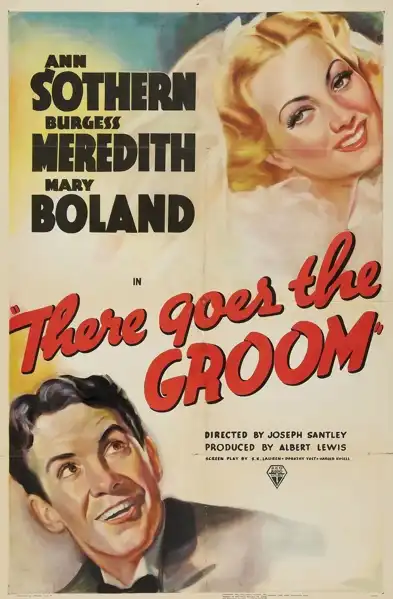
While George hogs narrative centrifuge, observe the peripheral women: the cashier’s proto-feminist shrug at male posturing; the society dame who roller-dances in a fox stole, refusing to relinquish seat or spotlight; the preteen tomboy whose cartwheels steal the rehearsal floor. The film, wobbly as it is, grants them glints of agency rare in 1923 slapstick, a decade before The Saleslady would foreground working-girl gumption.
Distribution woes, a warehouse blaze in Paterson, and the ascendancy of collegiate varsity comedies shoved The Instructor into the oubliette. Only a 16mm reduction print—water-stained, spliced with tape the color of nicotine—survived in a Belgian nunnery’s attic. Restoration funded by a Kickstarter that smelled of hipster irony and cinephile desperation yielded a 2K scan whose scratches look like comet orbits. Criterion, are you listening?
What keeps the film from quaint obsolescence is its core thesis: competence is negotiable, but vulnerability is currency. George’s triumph lies not in mastering the eight-wheel beast, but in converting calamity into communion. The last shot—his bruised grin reflected in the cashier’s shiny skate plate—freezes on a moment of suspended grace, the secular equivalent of altarpiece ecstasy. You leave the theatre convinced that to stumble spectacularly in public is, perversely, the most honest thing a body can do.
Verdict: Seek it in archival festivals, project it in abandoned malls, let its clatter sing against your ribcage. The Instructor teaches that balance is a bourgeois myth—what matters is the reckless, radiant lunge toward the next impossible glide.
IMDb 5.9
1933
Community
Log in to comment.