DbcultAccessing Vault...
4.6/10
Senior Film Conservator
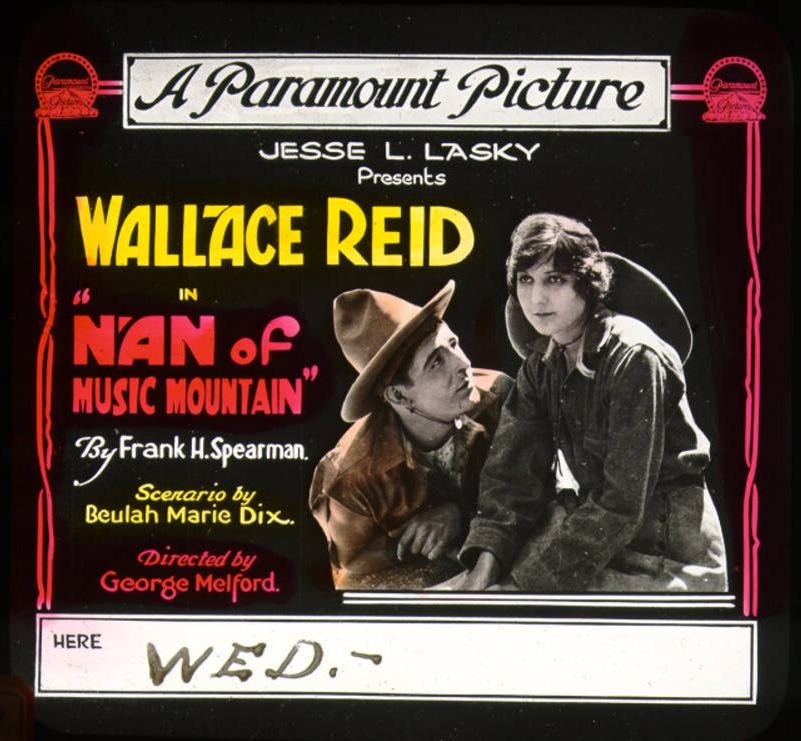
A definitive 4.6/10 rating for a film that redefined the boundaries of cult cinema. Nan of Music Mountain remains a cornerstone of transgressive art.
In the annals of early American cinema, long before the talkies revolutionized the silver screen, a particular brand of storytelling thrived on raw emotion, sweeping landscapes, and the silent eloquence of its stars. George Melford and James Cruze's 1917 collaboration, 'Nan of Music Mountain', stands as a compelling artifact from this bygone era, a robust Western melodrama that masterfully weaves together themes of vengeance, forbidden love, and eventual reconciliation against the backdrop of a formidable, untamed frontier. It is a film that, even a century later, speaks volumes about the enduring power of narrative and the nuanced performances that defined the silent age.
At its heart, 'Nan of Music Mountain' plunges us into a world governed by ancient feuds and a brutal, self-administered justice system. The narrative orbits around Henry de Spain, portrayed with captivating gravitas by the era's heartthrob, Wallace Reid. De Spain is not merely a figure of authority but a man burdened by a profound personal tragedy; his father's assassination by a mountaineer and his mother's subsequent demise from shock have left an indelible mark, literally and figuratively. His appointment as general manager of the Thief River Stage Line is not just a career move; it's a mandate to bring order to the lawless Morgan Gap, a den of outlaws lorded over by the formidable Duke Morgan. This mission, however, becomes inherently complicated by de Spain's burgeoning affection for Nan, Duke Morgan's spirited and beautiful niece, played with a compelling blend of defiance and vulnerability by Alice Marc. Their intertwined destinies form the central, pulsating artery of the film, a classic tale of lovers caught between warring factions, echoing the timeless drama of a Romeo and Juliet transposed to the American West.
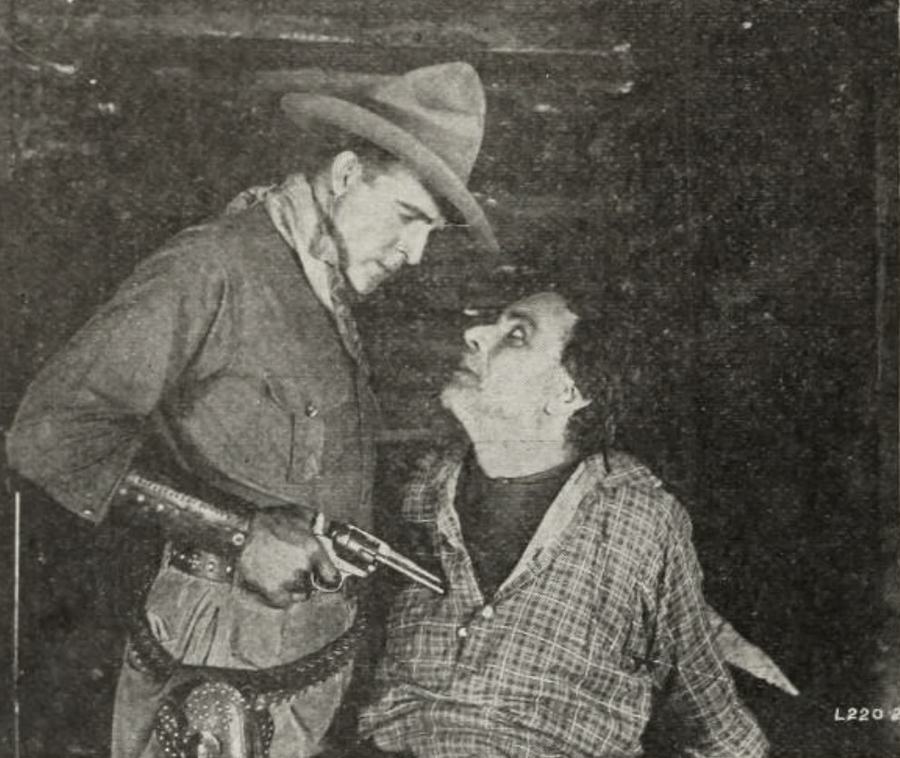
Wallace Reid, a star of immense popularity during the silent era, brings a magnetic presence to Henry de Spain. He embodies the archetypal Western hero: stoic, skilled with a gun, and driven by a righteous, albeit personal, sense of justice. Yet, Reid imbues de Spain with a crucial layer of vulnerability, particularly when his tragic past is unveiled. The birthmark, a physical manifestation of his father's violent end, serves as a powerful visual metaphor for his internal scars, allowing the audience to empathize with his relentless pursuit of the Morgan gang. His performance is a masterclass in silent acting, conveying complex emotions through subtle shifts in expression, posture, and the intensity of his gaze, a characteristic that made him a standout in films like The Chattel, where his strong, silent demeanor often spoke volumes.
Alice Marc's Nan is equally compelling, a woman of fierce loyalty to her family, even when that loyalty is tested by the harsh realities of their outlaw ways. Her initial resentment towards de Spain is palpable, a barrier built from generations of animosity. However, Marc skillfully navigates Nan's emotional transformation, from her reluctant discovery of a wounded de Spain to her eventual, heart-wrenching surrender to love. This journey is not instantaneous; it's a gradual erosion of prejudice, catalyzed by de Spain's raw honesty about his past and his gentle persistence. Marc's ability to convey this internal struggle through expressive eyes and subtle gestures makes Nan a truly captivating figure, a testament to the power of silent film actresses to communicate profound inner life without a single spoken word. Her portrayal here stands in fascinating contrast to the more urban, perhaps more constrained, female roles of the era, such as those seen in A Daughter of the City, highlighting the diverse range of character types emerging in early cinema.
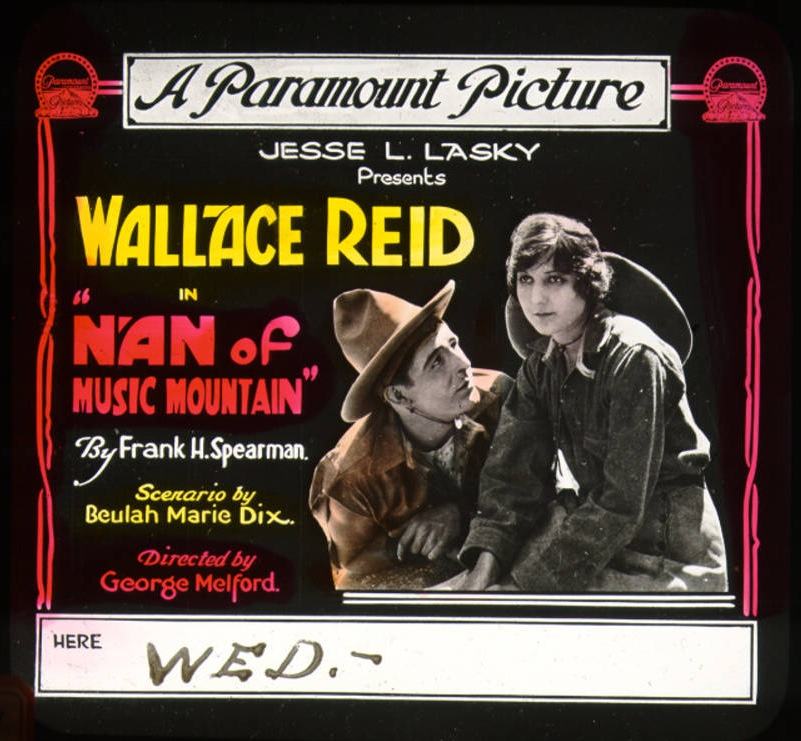
The supporting cast anchors the dramatic tension. Theodore Roberts, as Duke Morgan, delivers a powerful performance as the patriarch whose hardened exterior gradually cracks under the weight of circumstance and familial love. His transformation from a staunch, unforgiving outlaw leader to a man capable of regret and reconciliation is one of the film's most satisfying arcs. James Cruze, who also directed part of the film, plays the villainous Gale Morgan with a suitably 'worthless' menace, embodying the toxic elements of the outlaw clan and providing a stark contrast to de Spain's moral compass. Jim Mason's Sassoon serves as the conniving instigator, his treachery driving much of the early conflict. The interplay between these characters, conveyed through the dramatic conventions of the silent screen, creates a rich tapestry of human conflict and emotion.
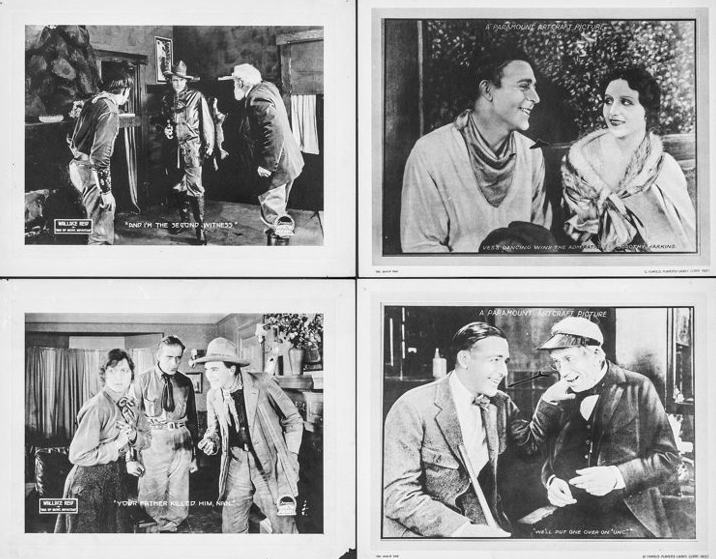
The plot of 'Nan of Music Mountain' is a meticulously crafted ascent, mirroring the treacherous terrain of its setting. It begins with clear lines of demarcation: de Spain, the lawman; Morgan, the outlaw. But these lines quickly blur under the influence of burgeoning love. The initial skirmishes, like Sassoon's knifing and de Spain's harrowing ambush by seven of the Morgan gang, establish the violent stakes. De Spain's near-fatal wounding and Nan's subsequent discovery of him are pivotal, forcing an intimacy that transcends their families' animosity. This sequence is executed with remarkable tension, showcasing the directorial prowess in building suspense without dialogue, relying instead on visual storytelling and the actors' expressive physicality. The subsequent days of clandestine meetings and Nan's eventual aid in de Spain's escape lay the groundwork for a romance that defies the odds.
However, the film reserves its most profound twist for the climax: the revelation that Duke Morgan himself, alongside Sassoon, was involved in de Spain's father's murder. This moment shatters Nan, forcing her to confront the ultimate betrayal within her own bloodline. The subsequent blizzard, a force of nature mirroring the emotional tempest, becomes the stage for a dramatic reconciliation. De Spain's selfless act of saving both Nan and a repentant Duke Morgan signifies the triumph of compassion over vengeance. The impromptu wedding in the snow, sanctioned by a humbled Duke, is a powerful symbol of forgiveness and the breaking of generational curses, a theme beautifully explored in other Westerns where characters seek redemption on the harsh frontier, much like the moral complexities woven into The Heart of Texas Ryan.
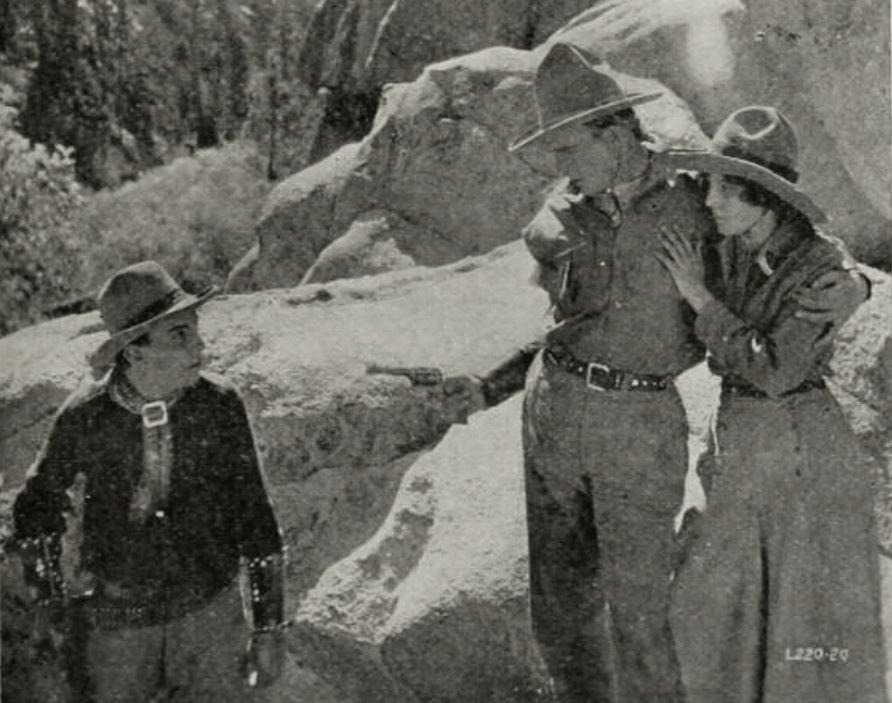
The dual directorial credit to George Melford and James Cruze speaks to the collaborative nature of early filmmaking. Their combined vision brings a dynamic energy to 'Nan of Music Mountain'. The film's pacing is remarkably brisk for its era, balancing intimate character moments with thrilling action sequences. The directors utilize the mountainous landscape not merely as a backdrop but as an active participant in the drama, its ruggedness reflecting the characters' struggles and the harshness of their lives. The cinematography, while constrained by the technology of the time, effectively captures the grandeur of the setting and the intensity of the dramatic confrontations. Close-ups are employed sparingly but effectively, highlighting moments of emotional significance, allowing the audience to connect deeply with the characters' inner turmoil.
The use of intertitles, the textual inserts that conveyed dialogue and exposition, is judicious. They are concise and impactful, serving to advance the plot without disrupting the visual flow. This delicate balance between visual storytelling and textual guidance is a hallmark of well-executed silent cinema. The action sequences – the gunfights, the horseback chases, the perilous escape – are staged with a clear understanding of spatial dynamics, creating palpable excitement. The blizzard sequence, in particular, is a standout, an impressive feat of visual effects and atmospheric storytelling for its time, demonstrating how early filmmakers could evoke powerful natural forces to heighten dramatic stakes. This kind of environmental storytelling, where nature itself becomes a formidable antagonist or a catalyst for change, is a recurring motif in the Western genre, seen in various forms from The Wood Nymph to later, more epic frontier tales.
Released in 1917, 'Nan of Music Mountain' arrived during a pivotal period for the American film industry. The Western genre was firmly established as a popular staple, offering audiences escapism and narratives rooted in American mythology. Films like A Yankee from the West were cementing the archetype of the frontier hero, and 'Nan of Music Mountain' contributed significantly to this evolving cinematic landscape. It also showcased the burgeoning star system, with Wallace Reid at the height of his fame, drawing audiences with his charismatic presence. The film's themes of reconciliation and the triumph of love over division resonated deeply in a world on the brink of global conflict, offering a message of hope amidst turmoil.
Frank H. Spearman and Beulah Marie Dix, the writers credited with the story, crafted a narrative that, while adhering to melodramatic conventions, also delved into complex moral quandaries. Dix, a prolific playwright and screenwriter, was known for her strong female characters and ability to infuse genre narratives with emotional depth, a quality evident in Nan's journey. Spearman, a master of Western tales, provided the authentic backdrop and the compelling conflicts that defined the genre. Their collaboration resulted in a script that was both thrilling and emotionally resonant, a template for many Westerns that would follow.
For contemporary viewers, 'Nan of Music Mountain' offers a fascinating window into the artistry of silent cinema. It reminds us that powerful storytelling does not require spoken dialogue; indeed, the absence of sound often amplifies the visual and emotional impact. The film's dramatic intensity, its compelling characters, and its sweeping narrative demonstrate the sophisticated techniques employed by early filmmakers to captivate audiences. It stands as a testament to the enduring appeal of the Western genre and the timeless power of a love story that defies all odds. While other films of the period, like The Man Who Came Back, might explore themes of personal redemption, 'Nan of Music Mountain' uniquely blends individual transformation with the broader reconciliation of warring communities, making its resolution particularly impactful.
In conclusion, 'Nan of Music Mountain' is more than just a historical curiosity; it is a vibrant, engaging piece of cinematic art that continues to resonate. It speaks to the universal themes of family loyalty, the corrosive nature of vengeance, and the redemptive power of love and forgiveness. The film's technical achievements, coupled with its heartfelt performances, solidify its place as a significant contribution to early American cinema, a silent classic that still has much to say about the human condition and the rugged spirit of the frontier. It's a journey worth taking, a mountain worth climbing, for anyone with an appreciation for the foundational works of film.
IMDb 5.8
1930
Community
Log in to comment.