DbcultAccessing Vault...
Cult Review
Senior Film Conservator
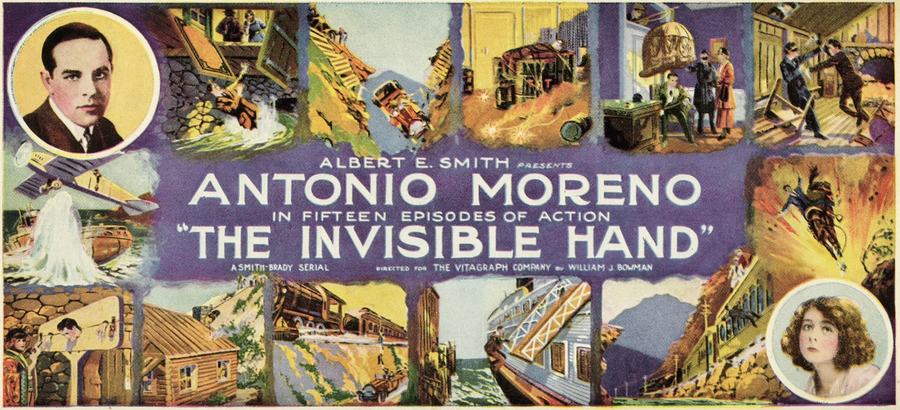
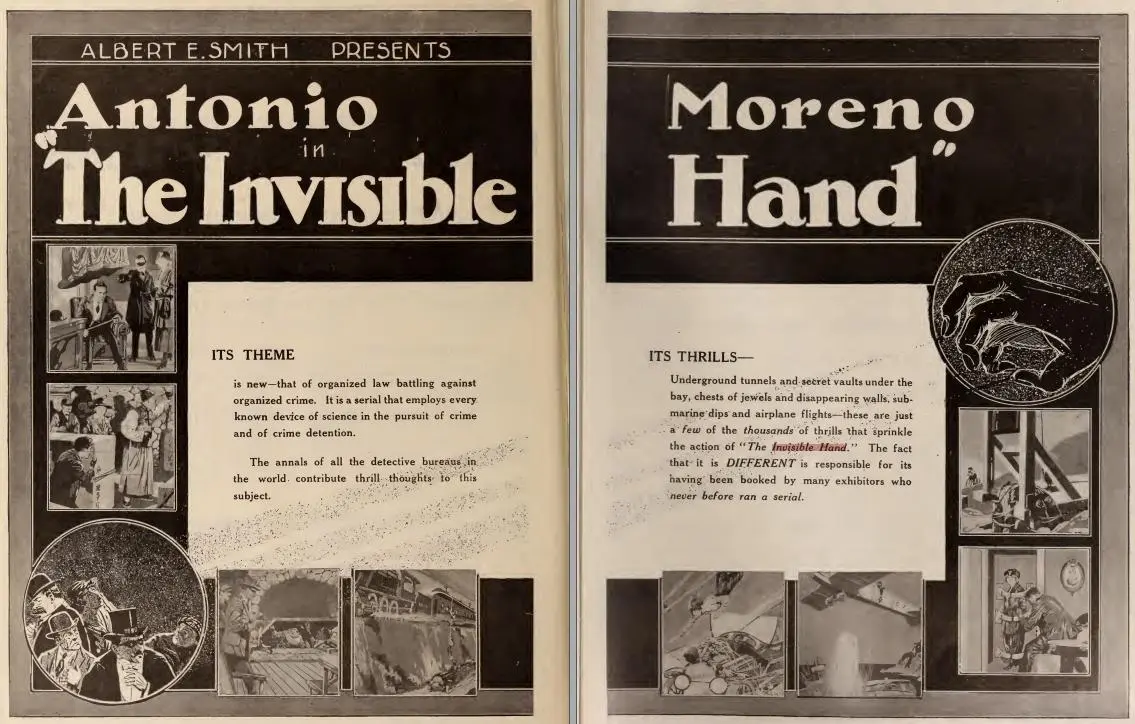
The collaborative genius of C. Graham Baker, Cyrus Townsend Brady, and Albert E. Smith creates a narrative architecture that is both sprawling and claustrophobic. Their writing avoids the simplistic moral binary often seen in films like Conquered Hearts, opting instead for a labyrinthine plot that demands cognitive engagement from its audience. The 'Invisible Hand' itself functions as a multifaceted metaphor—representing both the spectral reach of the antagonist and the inevitable, often unseen, grip of fate. The pacing is relentless, a staccato burst of energy that makes the pastoral pacing of The Hired Man feel like a distant memory.
As we dissect the cinematography, we find a stark contrast to the grandiosity of historical epics. While Quo Vadis? relied on scale and spectacle to overwhelm the senses, The Invisible Hand utilizes shadow and frame composition to generate tension. The camera becomes a voyeur in the clandestine meetings of the criminal cabal, capturing the flickering uncertainty of the era. The visual language here is far more sophisticated than the slapstick aesthetics of The Merry Jailbirds, favoring a proto-noir sensibility that would not be fully realized for another two decades.
Antonio Moreno’s John North is not a static hero. He carries a weight of world-weariness that suggests a backstory far more complex than the intertitles allow. His chemistry with Pauline Curley is palpable, providing a grounded emotional core amidst the whirlwind of explosions and kidnappings. Curley, for her part, resists the 'damsel in distress' archetype with a tenacity that mirrors the burgeoning suffrage movements of the time. This isn't the domestic drama of A World Without Men; it is a partnership forged in the crucible of danger. The supporting cast, including Sam Polo and Brinsley Shaw, provide a robust ensemble that anchors the more fantastical elements of the plot in a gritty verisimilitude.
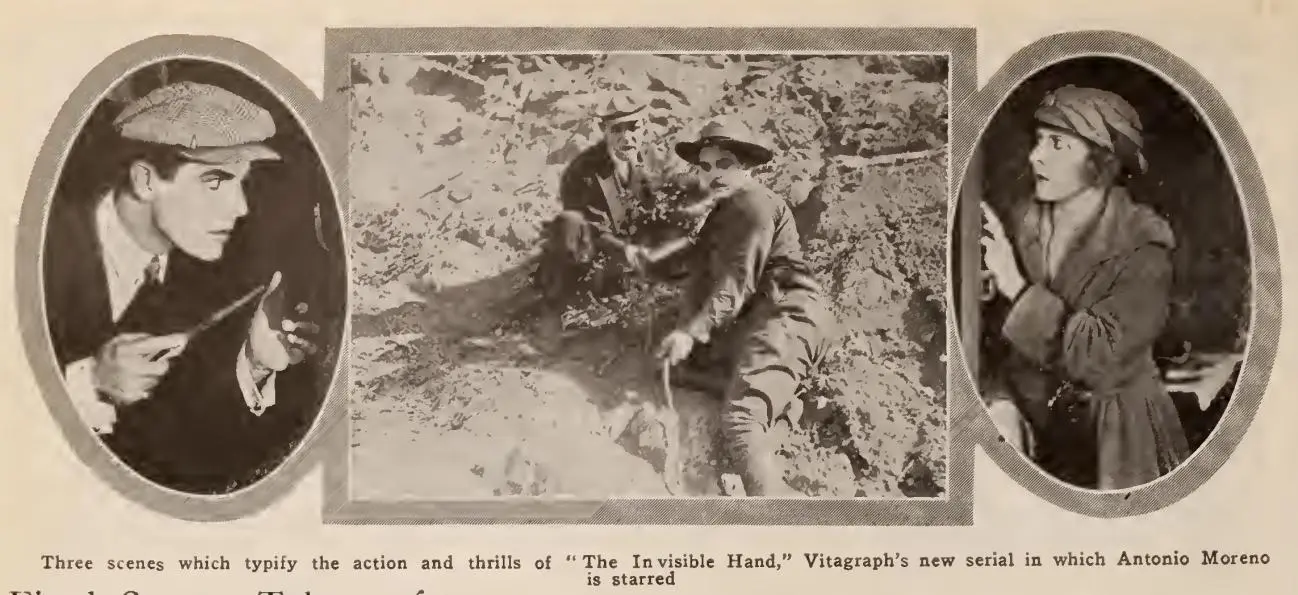
When comparing the thematic depth here to a film like Hypocrites, we see a shift from overt moralizing to a more nuanced exploration of power. The Invisible Hand doesn't lecture; it demonstrates. It shows how power operates in the shadows, how it manipulates the levers of society, and how a single, determined individual can disrupt the machinery of greed. This thematic resonance is what separates it from more ephemeral fare like Wit Wins, which, while charming, lacks the philosophical underpinnings found in Baker and Brady’s script.
Vitagraph Studios was at a crossroads during this production, fighting to maintain its dominance in an industry rapidly moving toward the West Coast. The Invisible Hand represents a final, glorious stand for the New York-based powerhouse. The production values are surprisingly high for a serial; the set designs for the villain's lair possess a gothic intensity that predates the German Expressionist movement's full arrival in America. There is a tactile quality to the film—the dust of the chase, the smoke of the gunfire—that feels more immediate than the polished artifice of Adventures of Carol.
The editing, too, deserves scholarly attention. The cross-cutting between John North’s peril and the impending doom of his allies creates a rhythmic urgency that was revolutionary for its time. It’s a far cry from the static, stage-like presentations of earlier Vitagraph efforts. This film understands the power of the 'cliffhanger' not just as a marketing gimmick, but as a structural necessity that mirrors the precariousness of life in the post-WWI world. It shares a certain DNA with the suspenseful maneuvers in Shot in the Dumbwaiter, yet it operates on a much grander, more cinematic scale.
Beyond the action, there is a soulful dimension to the film that is often overlooked. Much like Pieces of Silver: A Story of Hearts and Souls, The Invisible Hand touches upon the cost of vigilance. John North’s crusade is not without personal sacrifice. The film captures the loneliness of the hero, the isolation that comes with standing against a tide of corruption. This emotional resonance is what keeps the audience invested through fifteen grueling chapters. It isn't just about who wins the fight; it's about what remains of the fighters once the dust settles.
The script’s dialogue (via intertitles) possesses a literary quality, likely a result of Cyrus Townsend Brady’s influence, a man well-versed in the cadence of popular fiction. The language is elevated, avoiding the slangy shortcuts of Get-Rich-Quick Wallingford. Instead, it opts for a tone that is almost operatic in its intensity. This elevation of the material helps the film transcend its 'B-movie' origins, positioning it as a serious work of narrative art. It carries the same weight of destiny found in The Stronger Vow, where every choice feels heavy with consequence.
One cannot ignore the international flavor Moreno brought to the production. In an era where Hollywood was beginning to define the 'American' hero, Moreno’s presence offered a more cosmopolitan, slightly 'othered' protagonist who nonetheless embodied core American values of rugged individualism. This creates a fascinating parallel with exoticized dramas like Enis Aldjelis, die Blume des Ostens, though The Invisible Hand remains firmly rooted in the Western tradition. It’s a synthesis of global charisma and domestic grit.
The film’s exploration of technology—the 'needle' and the various gadgets employed by both sides—serves as a precursor to the spy genre. It reflects a society both fascinated and terrified by the rapid advancement of the machine age. The 'Invisible Hand' could very well be the hand of the machine, the impersonal force of industry that threatens to crush the individual. This subtext adds a layer of sophistication that makes the film infinitely rewatchable, as each viewing reveals new facets of its social commentary. It stands in sharp contrast to the more straightforward romantic conflicts of The Battle of Love.
To watch The Invisible Hand today is to witness the birth of modern narrative tropes. It is a masterclass in tension, a showcase for one of the era’s most magnetic stars, and a testament to the creative ambition of Vitagraph. The film doesn't just entertain; it envelops the viewer in a world of shadows and light, where the line between hero and villain is often as thin as a needle’s point. It is a work of immense kinetic beauty, a celluloid dream that refuses to fade into the obscurity of history.
As the final iris closes on the last chapter, the viewer is left with a sense of completion that few serials manage to achieve. The narrative threads are tied with a precision that speaks to the craftsmanship of Baker and Smith. It is a reminder that even in the infancy of the medium, filmmakers were capable of complex, multi-layered storytelling that challenged the intellect as much as it thrilled the heart. The Invisible Hand remains an essential pillar of silent cinema, a gripping, atmospheric, and profoundly influential work that deserves its place in the pantheon of great American films.
IMDb 6
1933
Community
Log in to comment.