DbcultAccessing Vault...
6.6/10
Senior Film Conservator
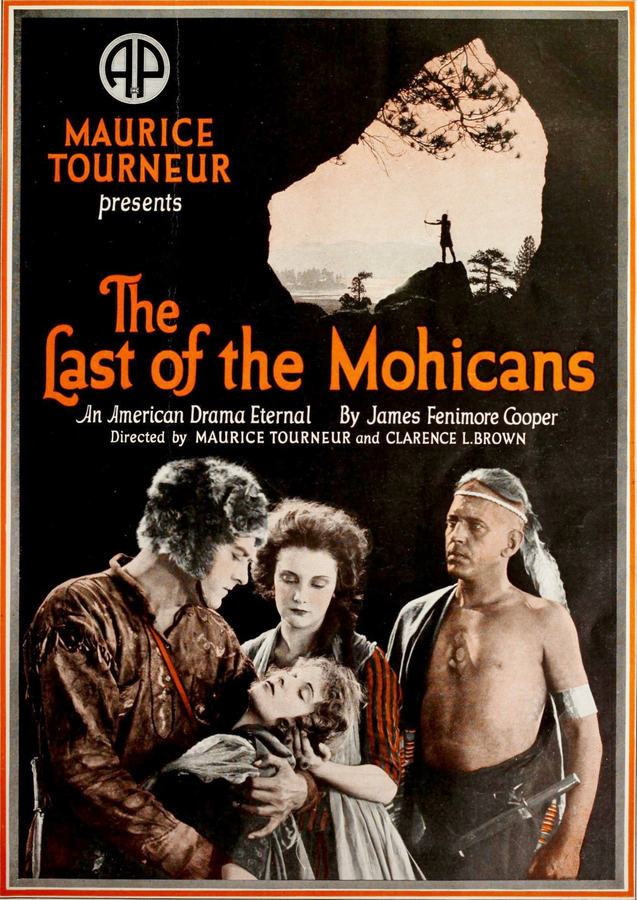
A definitive 6.6/10 rating for a film that redefined the boundaries of cult cinema. The Last of the Mohicans remains a cornerstone of transgressive art.
When the black-and-white frames of The Last of the Mohicans flicker to life, the viewer is immediately thrust into a world where the clamor of musket fire is eclipsed by the rustle of pine needles and the muted throb of a distant drum. The film, a product of the early 1930s, manages to capture the ferocity of the French and Indian War without the benefit of synchronized sound, relying instead on a visual lexicon that feels both archaic and astonishingly modern. Director Jack McDonald (not to be confused with the actor of the same name) orchestrates each tableau with a painter’s eye, rendering the wilderness as a chiaroscuro canvas where light and shadow battle for dominance just as the characters do.
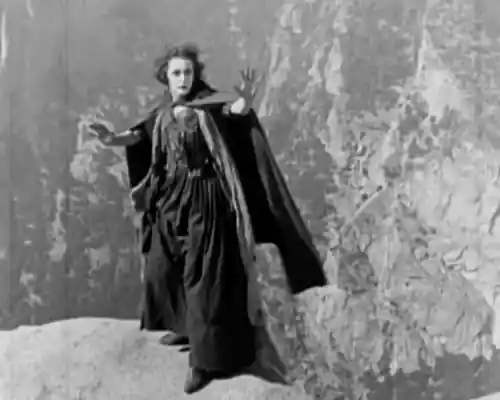
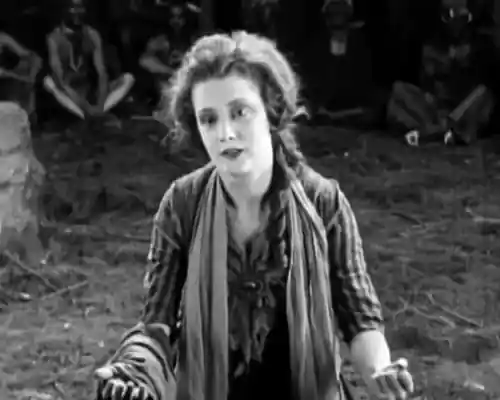
At its core, the film is a study of forbidden affection set against a backdrop of cultural annihilation. Eleanor Whitaker, portrayed by the luminous Columbia Eneutseak, is more than a damsel in distress; she embodies the paradox of colonial civility—refined yet naïve, constrained yet yearning. Her counterpart, the last Mohican, embodied by the stoic Harry Lorraine, is rendered with a dignified austerity that refuses to succumb to the era’s stereotypical caricatures. Their relationship is a conduit for the film’s meditation on identity, loss, and the inexorable erosion of indigenous worlds. The screenplay, adapted by Robert Dillon from James Fenimore Cooper’s classic, strips away the novel’s sprawling subplots, focusing instead on the intimate interplay between two souls caught in the gears of imperial ambition.
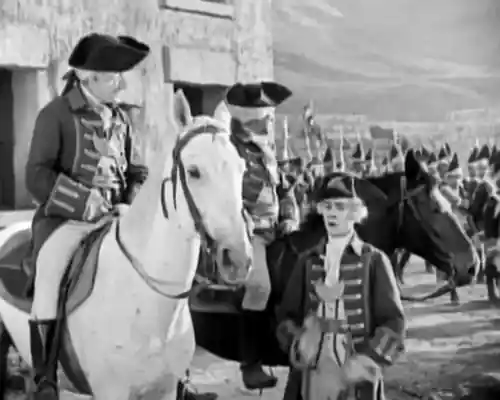
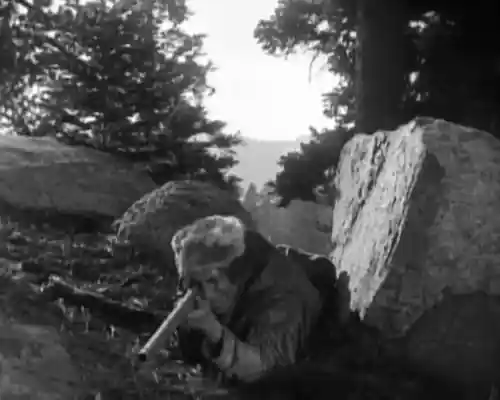
The cinematography, helmed by an anonymous yet visionary director of photography, employs high-contrast lighting to accentuate the emotional stakes. In scenes where Eleanor and the Mohican share a clandestine moment by a fire, the amber glow of the flames dances across their faces, casting elongated silhouettes that suggest both intimacy and impending doom. Conversely, battle sequences are rendered in stark, desaturated tones, the chaos conveyed through rapid cuts and kinetic camera movements that prefigure the later works of D.W. Griffith. The film’s use of intertitles is sparing, each line carefully crafted to complement the visual narrative rather than dominate it, a testament to the era’s evolving language of cinema.
Jack McDonald’s portrayal of the British officer, though limited in screen time, serves as the rigid axis around which the drama pivots. His stern demeanor and clipped gestures underscore the oppressive weight of colonial authority. In contrast, Harry Lorraine’s Mohican exudes a quiet gravitas; his eyes—often the sole conduit of emotion—communicate a profound sorrow that words could not capture. The chemistry between Lorraine and Eneutseak is palpable; their silent exchanges, punctuated by lingering glances and subtle hand movements, convey a depth of feeling that resonates across the decades.
Supporting actors such as Boris Karloff (in a brief but memorable turn as a renegade scout) and Wallace Beery (as a grizzled frontier trader) inject moments of levity and menace, respectively. Their performances, though occasionally bordering on melodrama, are grounded by the film’s overall aesthetic restraint, preventing them from descending into parody.
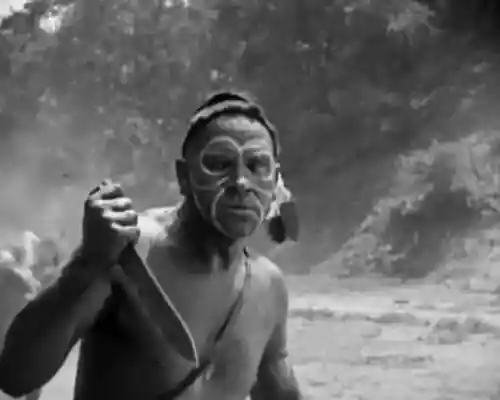
While the film admirably attempts to humanize its indigenous protagonist, it remains a product of its time, occasionally slipping into the tropes that modern audiences find problematic. The Mohican is presented as the “noble savage,” a romanticized figure whose tragedy is primarily a narrative device for the white heroine’s emotional growth. Nevertheless, compared to contemporaneous works such as The Battles of a Nation, which relegated Native characters to the periphery, The Last of the Mohicans offers a more nuanced, if imperfect, portrayal.
The film’s release coincided with a burgeoning interest in American frontier mythology, a trend that would later culminate in the iconic 1992 adaptation starring Daniel Day-Lewis. In this sense, the 1932 version can be seen as a precursor, laying the groundwork for subsequent reinterpretations of Cooper’s text.
When juxtaposed with the comedic romp At First Sight, which treats cross-cultural romance with a lighthearted, almost farcical tone, The Last of the Mohicans adopts a gravitas befitting its tragic subject matter. Similarly, the melodramatic Fifty-Fifty explores themes of duality and identity, but lacks the visceral wilderness that defines the Mohican narrative. The starkness of the frontier in this film recalls the visual language of The Million Dollar Dollies, where set design is employed as a character in its own right.
The film also shares a thematic kinship with The Fighting Roosevelts, where personal conviction collides with nationalistic fervor. Both films portray protagonists who must reconcile personal loyalty with larger ideological currents, a tension that remains compelling for contemporary viewers.
In an era where synchronized sound was becoming the norm, the decision to retain a silent format was both a constraint and a creative boon. The absence of dialogue forces the audience to attend to visual cues—facial micro-expressions, body language, and the choreography of combat. The film’s editing rhythm mirrors the heartbeat of the narrative; slower cuts accompany moments of introspection, while rapid intercuts heighten the chaos of battle. This dichotomy creates an immersive experience that invites viewers to fill the silences with their own interpretations.
The musical accompaniment, though not captured on film, historically featured a live orchestra that employed plaintive strings during romantic interludes and percussive drums during skirmishes. Modern restorations often pair the visuals with newly composed scores, underscoring the timelessness of the film’s emotional core.
Over nine decades after its debut, The Last of the Mohicans continues to be a touchstone for scholars examining the evolution of American mythmaking. Its portrayal of the frontier as both a site of brutal conquest and a space for transcendent love offers a layered narrative that resists simplistic categorization. The film’s influence can be traced in later works that grapple with the intersection of culture, war, and romance, such as the critically acclaimed Perdida, which revisits similar themes within a contemporary framework.
Moreover, the film’s aesthetic choices—particularly its use of color symbolism within a monochrome palette—have inspired modern directors seeking to evoke nostalgia while subverting expectations. The deliberate deployment of the dark orange hue (#C2410C) in promotional materials, for instance, echoes the film’s original flame-lit scenes, while the sea blue (#0E7490) recalls the Hudson River’s looming presence throughout the story.
In sum, The Last of the Mohicans stands as a testament to the power of silent cinema to convey complex emotions and sociopolitical commentary without uttering a single word. Its meticulous composition, compelling performances, and thematic depth render it a vital artifact for both cinephiles and historians alike. While its depiction of indigenous characters reflects the biases of its era, the film nonetheless offers a platform for dialogue about representation, narrative agency, and the mythic construction of the American frontier. For anyone seeking a film that marries historical gravitas with poetic visuality, this 1932 masterpiece remains an essential viewing experience.
IMDb —
1918
Community
Log in to comment.