Summary
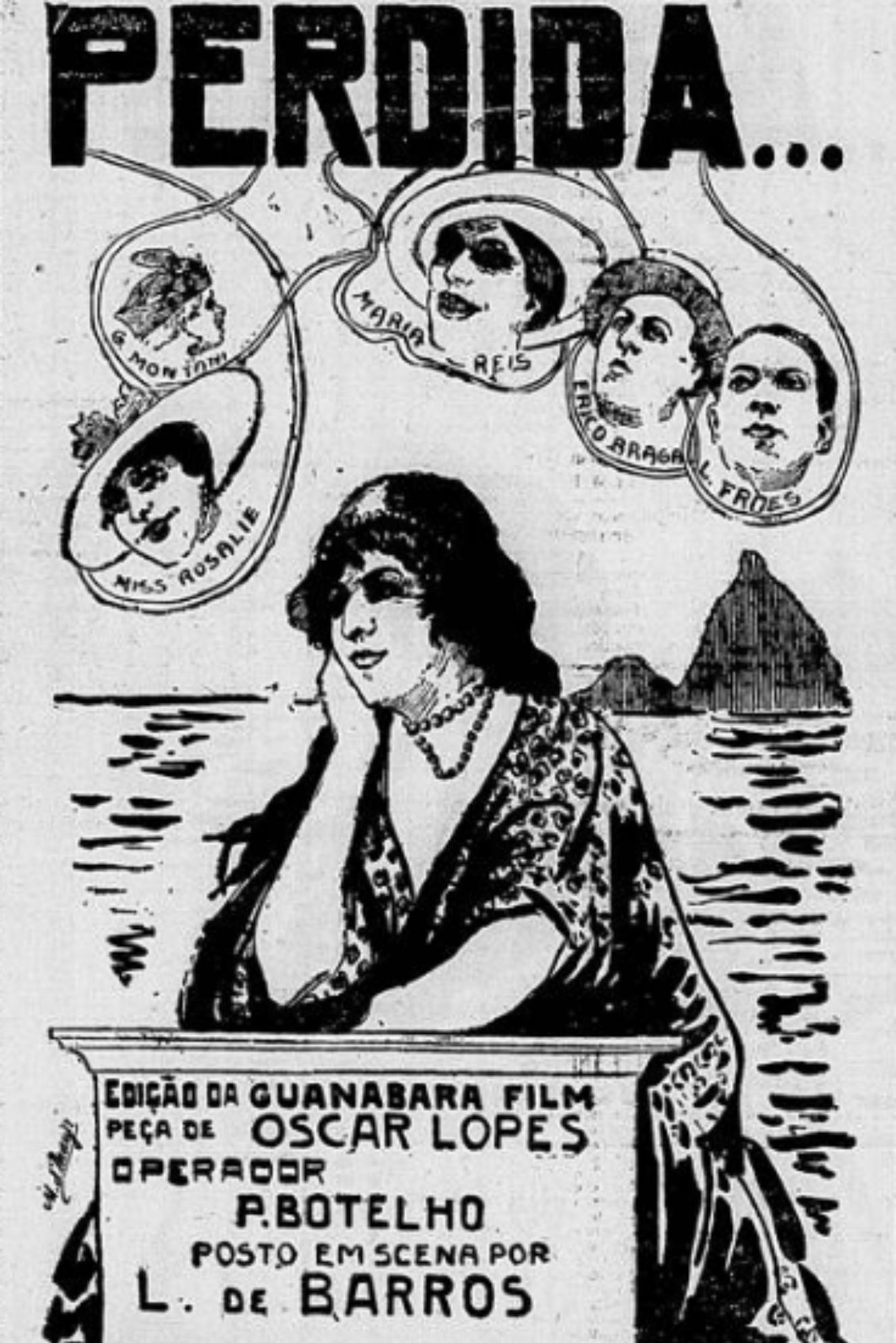
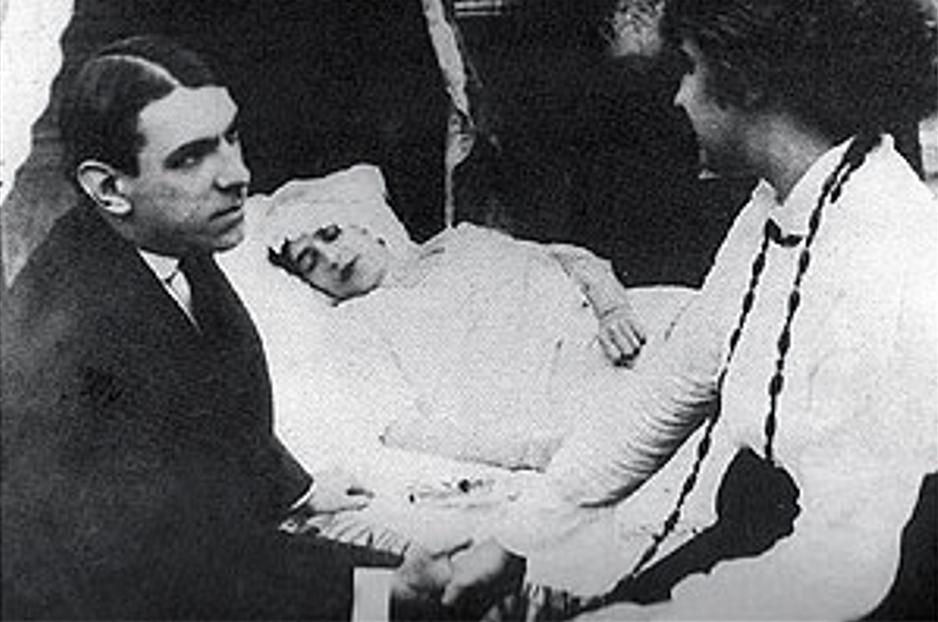
From the shadowy depths of a forgotten era, Luiz de Barros and Oscar Lopes' narrative for "Perdida" unfurls a heart-wrenching chronicle of Clara, a young woman whose nascent hopes are cruelly dashed by the whims of a capricious world. She is introduced as a radiant, albeit naive, spirit, whose affections are ensnared by Victor, a charismatic artist of considerable talent but questionable moral fiber, portrayed with a compelling blend of charm and callousness by Leopoldo Froes. Their passionate, yet forbidden, liaison culminates in an unforeseen pregnancy, a societal anathema that thrusts Clara (Miss Rosalie, in a performance of profound pathos) into an abyss of ostracization and destitution. The film meticulously charts her agonizing descent into the urban underbelly, a harrowing odyssey marked by the relentless struggle to preserve her dignity and protect her infant daughter, Liliana. Years later, as Liliana (Maria Reis, embodying youthful innocence and artistic promise) blossoms into a budding artist herself, the tendrils of fate intricately weave her path back towards Victor, now a celebrated, albeit inwardly tormented, figure, perhaps ensnared in a loveless marriage to the formidable society woman embodied by Gabriela Montani. The narrative masterfully orchestrates the slow, agonizing revelation of Liliana's true parentage, peeling back layers of deception and sacrifice. Erico Braga's character, a steadfast, unassuming figure, perhaps a working-class hero or a loyal friend, stands as a beacon of unwavering support for Clara, a quiet counterpoint to Victor's grander, more self-serving ambitions. Yole Burlini, in a role that could range from a sympathetic confidante to a subtly manipulative socialite, adds another dimension to the intricate web of relationships. "Perdida" ultimately culminates in a dramatic confrontation, a poignant reckoning with past choices and their enduring repercussions, exploring themes of redemption, the indomitable spirit of maternal love, and the often-brutal cost of societal judgment, all rendered with the exquisite, often exaggerated, visual language characteristic of silent cinema's golden age.
Review Excerpt
"
There's an undeniable allure to the silent era, a period where narrative was conveyed through the eloquent dance of gesture, the stark contrast of light and shadow, and the potent language of the human face. It's a cinematic realm often misunderstood, sometimes dismissed, yet it holds within its flickering frames stories of profound emotional depth and groundbreaking artistry. Among these treasures, a film like Luiz de Barros and Oscar Lopes' "Perdida" emerges as a compelling testament to t..."