DbcultAccessing Vault...
6.3/10
Senior Film Conservator
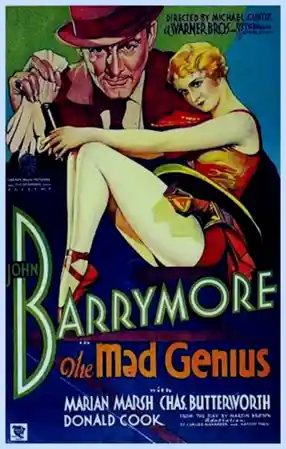
A definitive 6.3/10 rating for a film that redefined the boundaries of cult cinema. The Mad Genius remains a cornerstone of transgressive art.
Look, if dusty old black-and-white films with a real edge to 'em are your jam, then 1931's The Mad Genius absolutely deserves a look. But let's be real, this one's probably going to annoy anyone who needs a quick pace or, you know, happy endings. It’s got a certain dark charm, though, especially if you appreciate a good dose of pre-Code melodrama.
The film itself is about Ivan Tsarakov, played by the legendary John Barrymore. He’s a crippled puppeteer, a man clearly simmering with resentment and ambition he can’t physically fulfill himself. He spots this kid, Fedor (Frankie Darro), a natural dancer, and just… decides. This boy is his ticket.
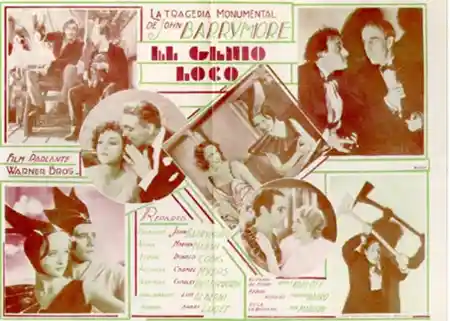
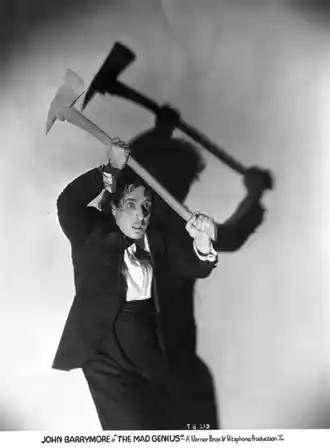
It’s not a sweet story, not by a long shot. Barrymore’s portrayal of Tsarakov is pure, unhinged obsession. The way he drags himself across rooms, those wild, *intense* eyes 👀 – it’s a performance that grabs you and really doesn’t let go.
Tsarakov basically takes over Fedor’s life. He drills him, pushes him, controls him completely. You can almost feel the movie trying to convince you this moment matters, like the scene where young Fedor is practicing until his feet bleed. It’s brutal, honestly.
Frankie Darro, playing the young Fedor, does an amazing job. He conveys this blend of natural talent and sheer, utter terror. The fear in his eyes when Tsarakov is in one of his moods? That’s real stuff. You can really feel the pressure on that kid.
As Fedor grows up, he becomes a celebrated ballet dancer. This is the goal, right? But the cost is immense. His personal life is a mess, completely dictated by Tsarakov’s will.
Boris Karloff is in this too, as Petrov, Tsarakov’s loyal but kind of mournful assistant. He’s mostly in the background, a silent observer to Tsarakov’s madness. It’s not a huge role for him, but he adds this layer of quiet, almost resigned menace.
There's this particular shot very early on, I remember, where Tsarakov is just watching some kids play in the street. The camera stays on his face, all shadowed, for what feels like a minute. It’s unsettling. You feel it in your gut. Not many films from '31 were brave enough to just *sit* in that discomfort.
The ballet sequences themselves are surprisingly well done. They’re beautiful, a stark visual contrast to the darkness of Tsarakov's manipulative mind. You see the grace, but you never forget the ugliness behind it.
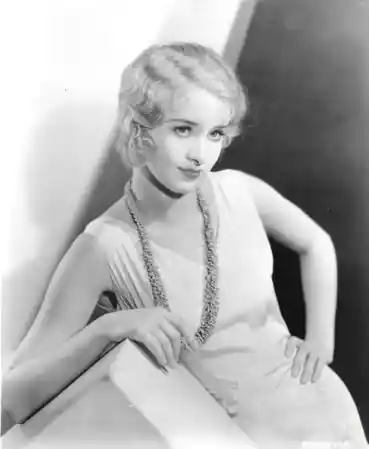
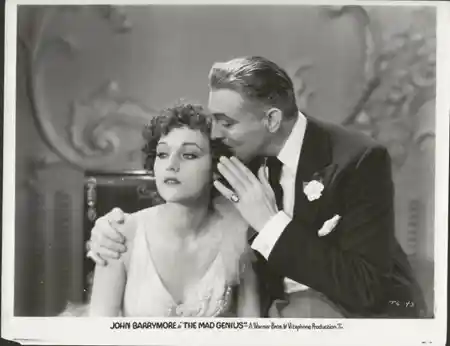
Fedor eventually falls for a ballerina, Nana (Marian Marsh). And honestly, their romance feels a little bit like it was thrown in because, well, the hero needs a girl. It's pretty, sure, but it kind of pulls focus from the main event: Barrymore’s spiraling obsession. You want to see more of the crazy, less of the cute.
The pacing isn't super brisk, but it has this sort of grim, inevitable momentum. It just keeps pushing towards its, shall we say, *dramatic* conclusion. There are moments that definitely drag a bit, though. Like some of the dance montages go on about 20 seconds too long, and the silence starts to feel awkward rather than emotional.
One small thing I noticed: the intricate details in the miniature sets for Tsarakov’s puppetry. They’re really quite something. You see them for just a few seconds, but someone put a lot of work in. It’s a nice touch, a little glimpse into his other, less destructive, art.
Is it a perfect film? Nah, not really. It’s got its rough edges, some bits feel a little clunky. But Barrymore’s performance, man, that’s the reason to watch this. He’s just *magnetic*, even
IMDb 6.8
1928
Community
Log in to comment.