DbcultAccessing Vault...
Cult Review
Senior Film Conservator
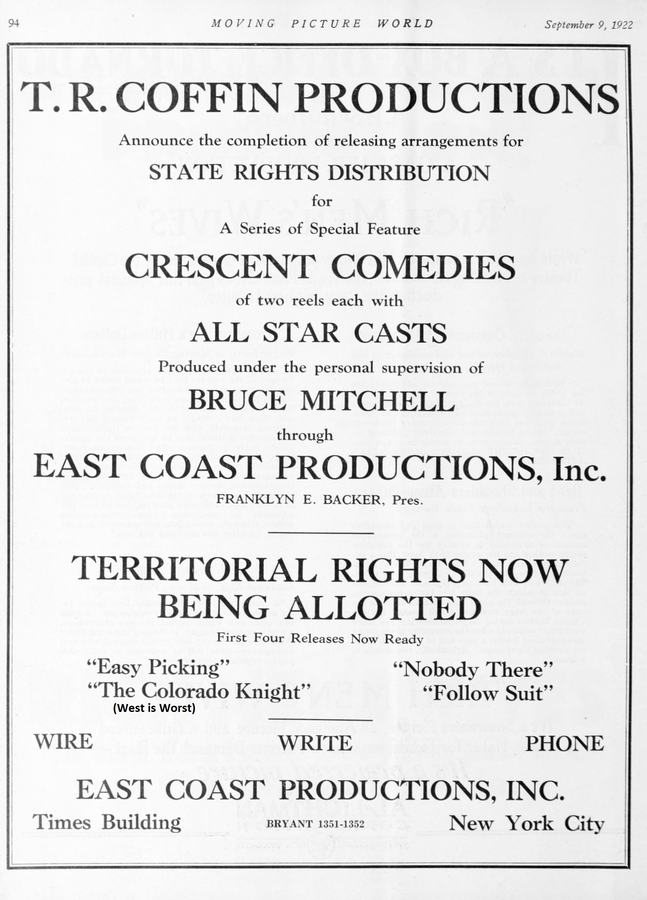
When the silent era birthed a film as unapologetically zany as Easy Pickin', it did so with a daring blend of slapstick, social commentary, and a visual palette that still feels oddly resonant. Directed by an unnamed visionary of the 1920s, the picture follows Jack (John J. Richardson), a magnate of orange production whose empire is as orange‑tinged as his personal ambitions. The opening tableau—a sun‑drenched grove where three assistants, garbed in crisp suits and woolly chaps, fire revolvers at fruit—immediately signals a world where the ordinary is subverted into the extraordinary.
The cross‑eyed assistant, portrayed with a blend of pathos and comic timing, cannot hit a single orange. In a moment of absurd generosity, Jack hands him a double‑barreled shotgun, transforming the orchard into a veritable avalanche of citrus. The resulting cascade is filmed with a kinetic energy that rivals the most frenetic chase scenes of the era, each orange tumbling like a golden meteor across the screen. The scene’s choreography, combined with the stark contrast of the black background and the vivid orange fruit, creates a visual metaphor for the excesses of wealth—an excess that will soon be challenged by love, deception, and a very particular brand of familial interference.
At the stroke of four, the gunfire ceases, and the characters retreat to a genteel tea ceremony. Here, the film introduces Vera Reynolds as the demure yet determined fiancée, whose presence injects a tender counterpoint to the preceding chaos. Jack’s request for his father’s blessing is a classic narrative device, but the film subverts it through a simple, yet devastating, clerical error: a photograph of Gale Henry, the vivacious maid, is sent instead of Vera’s portrait. This miscommunication triggers a cascade of interventions—most notably a lawyer and three seductive women—sent to dismantle the budding union.
The misdirected photograph serves as a visual gag, but it also underscores the film’s thematic preoccupation with mistaken identities and the fragile nature of social contracts. The father’s reaction, driven by a desire to protect his lineage’s reputation, mirrors the societal pressures of the 1920s, where class distinctions were rigid and matrimonial alliances were often transactional.
Undeterred by paternal opposition, Jack and Vera elope, setting the stage for a series of escalating misunderstandings. The arrival of the “matrimonial wrecking crew”—the lawyer, the three attractive women, and an entourage of bewildered servants—creates a labyrinthine comedy of errors. The film deftly balances physical comedy (slapstick chases, pratfalls, and the ever‑present orange barrage) with witty intertitles that convey the characters’ inner monologues, a hallmark of silent cinema’s narrative ingenuity.
The narrative’s momentum is propelled by the relentless pursuit of the protagonists, each encounter more ludicrous than the last. A chase through the orchard, where the pursuers slip on orange peels, evokes the kinetic brilliance of Buster Keaton’s Teufel und Circe, while the romantic tension recalls the earnestness of Love Aflame. The film’s ability to interweave these influences while maintaining its unique comedic voice is a testament to its craftsmanship.
John J. Richardson delivers a charismatic performance as Jack, balancing the swagger of a wealthy landowner with the vulnerability of a lover thwarted by familial machinations. His physicality—broad gestures, exaggerated facial expressions, and a deft handling of the shotgun—anchors the film’s comedic rhythm. Vera Reynolds, though limited by the era’s gender conventions, exudes a quiet strength; her eyes convey longing, resolve, and an unspoken defiance that resonates beyond the silent medium.
Gale Henry, as the maid, provides the film’s most effervescent energy. Her comedic timing, especially during the chaotic orchard scenes, rivals that of the era’s celebrated comediennes. The supporting cast—Hilliard Karr as the cross‑eyed assistant, the lawyer, and the trio of alluring women—each embody archetypal roles while delivering moments of genuine hilarity.
Visually, Easy Pickin' employs a stark contrast between the black backdrop and the bright hues of the oranges, a choice that amplifies the film’s surreal atmosphere. The use of inline color motifs—dark orange (#C2410C) for title cards, yellow (#EAB308) for comedic interludes, and sea blue (#0E7490) for romantic moments—creates a chromatic code that guides the audience’s emotional response. While the film predates Technicolor, its monochromatic palette is punctuated by selective tinting, a technique reminiscent of the period’s experimental approaches seen in The Goat (1921).
The cinematography, attributed to an unknown craftsman, makes effective use of wide shots to capture the sprawling orchard and tight close‑ups to emphasize character reactions. The pacing, dictated by rapid intercutting during chase sequences, maintains an exhilarating tempo that never wanes, even as the narrative shifts from comedic to romantic beats.
Beyond its surface comedy, Easy Pickin' offers a subtle critique of capitalist excess and the commodification of both labor and love. The absurdity of shooting oranges—a literal representation of harvesting wealth through violence—parallels the ruthless exploitation inherent in agrarian economies. Moreover, the film’s exploration of mistaken identities and the fragility of social contracts anticipates later works such as Twisted Souls, which delve deeper into the psychological ramifications of deception.
In contemporary terms, the film’s commentary on parental control versus individual autonomy remains strikingly relevant. Jack’s rebellion against his father’s interference mirrors modern narratives of generational conflict, while the comedic mishaps underscore the timeless truth that love, when pursued earnestly, can outwit even the most meticulously crafted obstacles.
When placed alongside its silent contemporaries, Easy Pickin' stands out for its audacious blend of slapstick and satire. Films like Terror Trail and The Lifeguardsman prioritize action and drama, whereas Easy Pickin' navigates a middle ground, offering both kinetic thrills and a satirical lens on societal norms.
Its narrative structure, which interweaves multiple subplots—romance, familial intrigue, and a chaotic orchard—prefigures the ensemble storytelling later popularized in sound-era comedies. The film’s influence can be traced to later works like Lola, where the protagonist’s defiance against patriarchal expectations becomes a central theme.
Easy Pickin' endures as a vibrant artifact of silent cinema, its humor as sharp as the shotgun blasts that set its plot in motion. The film’s deft orchestration of visual comedy, thematic depth, and character chemistry ensures its place in the annals of early 20th‑century filmmaking. For aficionados of vintage comedy, the movie offers a refreshing departure from the more formulaic productions of its time, delivering a kaleidoscope of laughs, love, and orange‑splattered mayhem that remains as intoxicating today as it was nearly a century ago.
IMDb —
1928
Community
Log in to comment.