DbcultAccessing Vault...
Cult Review
Senior Film Conservator
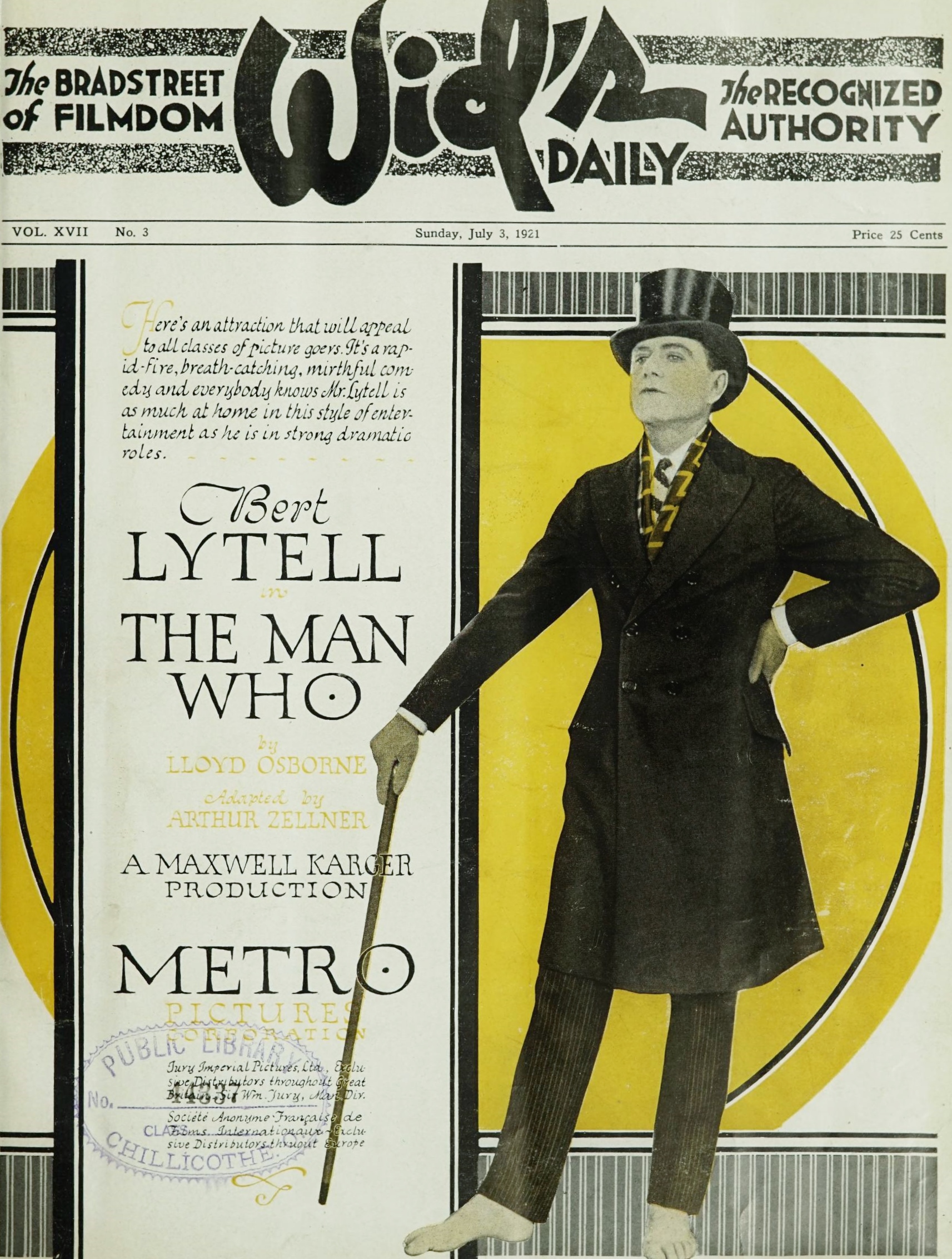
When Bedford Mills (Fred Warren) emerges from the trenches of France, his wounded body is a canvas of patriotic sacrifice. Yet the true wound festers in his soul—his unrequited passion for Helen Jessop (Lucy Cotton), the privileged daughter of a Fifth Avenue industrialist. June Mathis’ script, a masterclass in tragic farce, transforms this unattainable love into a catalyst for societal critique. The film’s brilliance lies in its duality: a man’s personal obsession morphs into a public spectacle that exposes the absurdity of post-war American capitalism.
Bedford’s decision to walk barefoot through Manhattan streets—triggered by a stock market report on rising shoe prices—is both a literal and symbolic act. Director Arthur Zellner frames these sequences with haunting beauty: close-ups of dirt-caked soles, the rhythmic clatter of newspaper boys’ carts against his exposed heels, the glint of Helen’s jeweled oxfords as she turns away. It’s a silent-era Guernica of consumerism, where footwear becomes a classist shackle. The film’s central metaphor—shoes as both practical commodity and social armor—echoes the themes of Bubbles, yet with a darker edge.
Warren’s performance as Bedford is a study in contained chaos. His eyes, wide and feverish, betray a man teetering between romantic idealism and delusional grandeur. Opposite him, Cotton’s Helen radiates icy detachment, her every gesture a calculated dismissal. The true unsung hero is Mary Turner (Virginia Valli), the artist who clings to Bedford through his descent. Valli’s portrayal—soft-palmed gentleness contrasting with the other women’s rigid propriety—adds unexpected emotional depth to this absurdist tale. The supporting cast, including Frank Currier as the bemused Shoe Trust patriarch, grounds the film’s surrealism in tangible human folly.
Without dialogue, the film’s visual language speaks volumes. Helen’s gowns, cascading in beaded Art Deco splendor, contrast with Bedford’s frayed suits and bloodied feet. The most striking set piece? A ballroom scene where Helen’s sequined dress forms a glittering cage around her, while Bedford’s bare limbs are silhouetted against the window like a gaunt, modernist sculpture. These images recall the stark contrasts of Mit Herz und Hand fürs Vaterland, yet with a uniquely American cynicism.
As news of Bedford’s barefoot marches spreads, the film deconstructs the myth of fame. His arrest scenes—stark, almost surreal—show him as a pawn in a media machine. Reporters’ typewriters clatter like a metronome counting down his sanity. This prefigures the tabloid culture explored in Mister 44, but here the satire is less sharp, more mournful. The public’s fascination with Bedford’s „cause“ becomes a grotesque spectacle, with his supporters wearing paper shoes as ironic fashion statements—a silent era’s version of meme culture.
Set against the backdrop of the 1920s „roaring“ excess, the film critiques the era’s contradictions. Helen’s father, a self-made tycoon, embodies the new money ethos, while Bedford’s working-class roots anchor him in the old world’s romanticism. The script’s references to the Shoe Trust recall the antitrust battles of the time, yet the filmmakers avoid didacticism. Instead, they present capitalism as a theater of absurdism, where even a man’s feet become political currency. This echoes the satirical edge of One Touch of Sin, though with a more somber tone.
The photography by Frank R. Strayer is both poetic and provocative. His use of shadows in the night-time barefoot sequences creates a chiaroscuro effect that mirrors Bedford’s moral ambiguity. The film’s score—though lost to history—must have been a cacophony of romantic arias and industrial clangs, reflecting the central conflict. The editing, brisk yet deliberate, maintains a rhythm that’s both frantic and meditative, much like the protagonist’s psyche.
Though often overlooked, The Man Who remains a prescient commentary on identity politics and consumer culture. Its exploration of „performativity“ predates Judith Butler’s theories by nearly a century, framing social status as a series of scripted gestures. The film’s critique of celebrity culture—where public image eclipses personal integrity—resonates powerfully in our age of TikTok fame. In this light, it shares DNA with The Sporting Duchess, though with a more subversive spirit.
This film is a paradox: a tragicomedy that’s both ridiculous and profound, a silent film that screams with relevance. It succeeds not because of its plot—which is as implausible as it is charming—but because of its relentless interrogation of what it means to be „a man of importance“ in a world ruled by hollow symbols. The final scene, where Bedford’s once-proud feet are shod in a pair of cheap shoes as he walks away from Helen, is a masterstroke. It’s a moment of quiet devastation, a visual pun on the futility of his quest. For modern audiences, it’s a haunting reminder that sometimes, the most radical acts are those that expose the naked truth beneath society’s polished veneer.
IMDb 6.5
1923
Community
Log in to comment.