DbcultAccessing Vault...
6.8/10
Senior Film Conservator
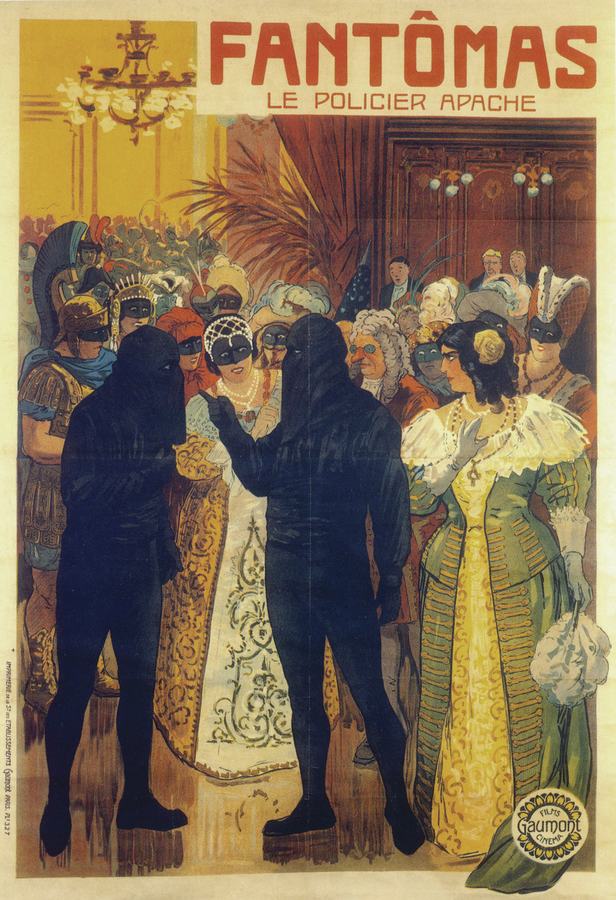
A definitive 6.8/10 rating for a film that redefined the boundaries of cult cinema. Fantomas: The Mysterious Finger Print remains a cornerstone of transgressive art.
The film opens with a chiaroscuro montage of newspaper headlines, each inked with the ominous name “Fantômas.” Inspector Juve, portrayed by René Navarre, is depicted in a moment of triumph, yet his smile fades as the camera pulls back to reveal a crowd chanting his name as a villain. From this opening tableau, the narrative unfurls like a tightly wound spring, balancing paranoia with suspense.
Juvenile justice meets grand deception as Juve, convinced of his innocence, is sentenced to prison. The narrative stakes are clear: the city’s moral compass is skewed, and the audience must decide whether Juve is the hero or the villain. The film’s structure is deliberately non‑linear; flashbacks of past cases interlace with present-day investigations, creating a tapestry that mirrors Fantômas’s own intricate schemes.
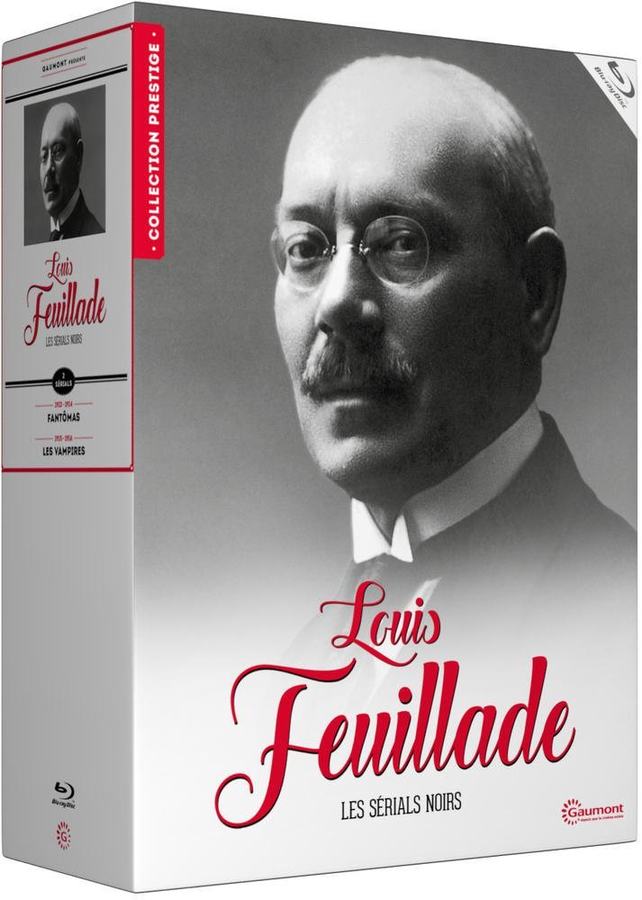
The screenplay, written by Pierre Souvestre, Louis Feuillade, and Marcel Allain, layers the plot with a series of misdirections. Each clue—an odd fingerprint, a misplaced letter—serves as a breadcrumb that leads both Juve and the audience down divergent paths. This duality is the engine that propels the story forward, keeping viewers guessing until the final, explosive revelation.
René Navarre’s Inspector Juve is a study in moral ambiguity. His stoic exterior masks a simmering doubt, amplified by the press’s relentless vilification. The actor delivers a performance that oscillates between righteous determination and fragile vulnerability, making the audience simultaneously root for and question him.
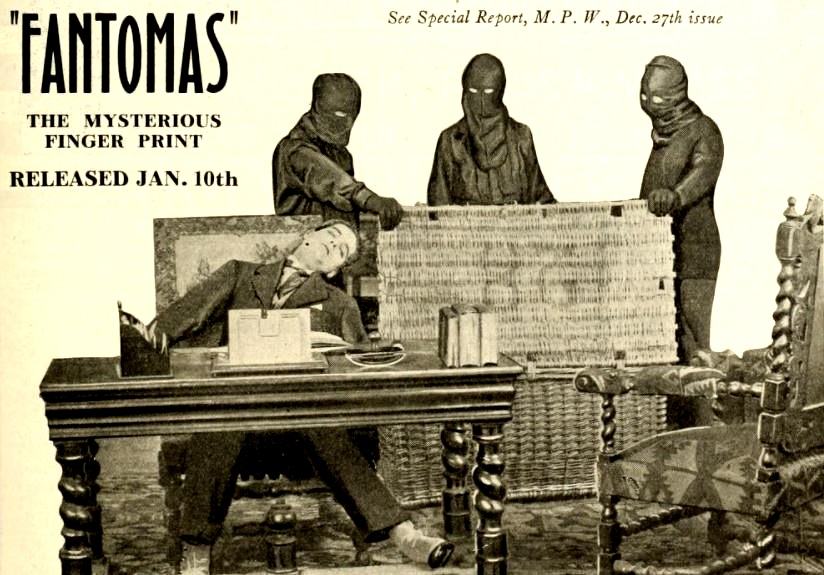
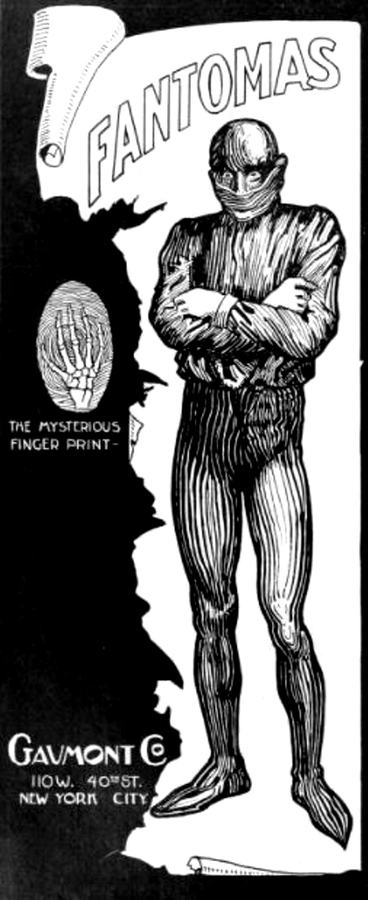
Fantômas, the enigmatic mastermind, remains a silhouette throughout the film. The role is played by Georges Melchior, whose portrayal is a masterclass in restraint. Melchior’s eyes flicker with cold calculation, and his gestures are deliberate, reinforcing the character’s aura of menace without resorting to overt theatrics.
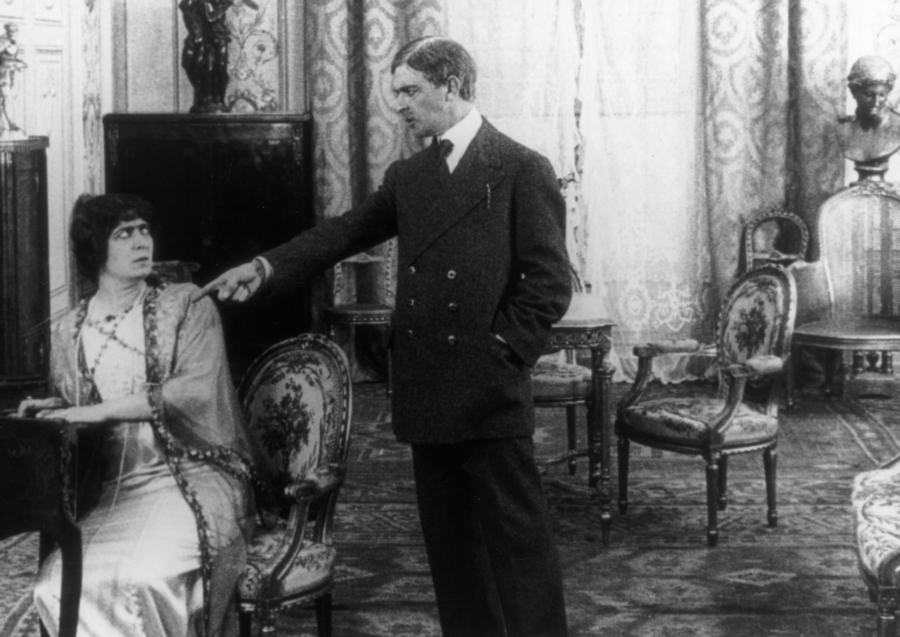
Supporting roles are equally compelling. Renée Carl as the investigative journalist offers a sharp, inquisitive counterpoint to Juve’s methodical approach. Yvette Andréyor’s portrayal of a court clerk provides a humanizing glimpse into the bureaucratic machinery that often hinders justice. The ensemble cast—Laurent Morléas, Naudier, Edmund Breon, Jane Faber—adds depth, each character serving as a piece in the puzzle that Fantômas manipulates.
Louis Feuillade’s direction is unmistakably poetic. He employs a palette of shadows and light that echoes the film’s moral ambiguity. The use of chiaroscuro not only heightens tension but also symbolises the blurred lines between hero and villain.
Cinematography by an unnamed but visionary cameraman captures the labyrinthine streets of Paris in a way that feels both claustrophobic and expansive. The camera lingers on the ornate façades of the courthouse, the grimy alleyways where Fantômas hides, and the stark interior of the prison, each frame meticulously composed to reflect the narrative’s stakes.
The sound design is subtle yet effective. A muted score, interspersed with the clatter of keys and distant sirens, underscores the tension. The auditory cues often foreshadow plot twists, a technique that keeps the audience’s senses on high alert.
René Navarre’s physicality anchors the film. His disciplined movements convey a man of principle, while his eyes betray a growing unease. The actor’s subtle gestures—such as the way he clenches a hand before speaking—add layers of psychological depth.
Georges Melchior, in the role of Fantômas, delivers a performance that is simultaneously chilling and charismatic. He never reveals his face, yet his presence is felt in every frame, a testament to the power of suggestion.
Renée Carl’s investigative journalism is portrayed with a quick wit and relentless curiosity. Her dialogue is sharp, and her interactions with Juve spark moments of tension that illuminate their dynamic.
The supporting ensemble, while not always central, provides a rich backdrop. Each actor’s contribution, from the court clerk to the prison guard, creates a believable world that feels lived-in and authentic.
“Fantomas: The Mysterious Finger Print” sits comfortably within the pantheon of early 20th‑century crime thrillers. It echoes the thematic concerns of contemporaries like Fantômas: The Man in Black and Fantômas: In the Shadow of the Guillotine, yet it distinguishes itself through its nuanced exploration of media influence and judicial fallibility.
The film’s impact is evident in later works that interrogate the relationship between law enforcement and public perception. Its influence can be traced in modern crime dramas that employ unreliable narrators and media manipulation as core plot devices.
When placed alongside other crime classics, the film’s narrative sophistication becomes apparent. For instance, the suspenseful pacing and moral ambiguity echo the style of Les Misérables, while its atmospheric cinematography shares kinship with Les amours de la reine Élisabeth. The film’s deft manipulation of public opinion also recalls the thematic undercurrents found in Les Misérables, Part 1: Jean Valjean.
Beyond the genre, the film’s exploration of justice and identity resonates with the philosophical undertones of Les Misérables and the psychological depth of Les Misérables, Part 1: Jean Valjean. These connections enrich the viewing experience, offering layers of meaning for audiences familiar with the broader canon.
The film’s central conceit—media framing a law enforcer as a criminal—remains strikingly relevant. In an age where headlines can dictate public perception, the film’s cautionary tale feels prescient. The narrative’s insistence on questioning authority invites viewers to scrutinize the sources of their own beliefs.
However, the film’s pacing occasionally falters. Midway through, the plot’s reliance on flashbacks can feel disorienting, and some scenes appear to stretch beyond their narrative necessity. Despite these moments, the film’s overall coherence remains intact, largely thanks to the tight screenplay and disciplined direction.
The visual style, while evocative, sometimes sacrifices clarity for mood. The heavy use of shadows can obscure subtle facial expressions, which are crucial to the psychological depth of the characters. Nonetheless, the film’s aesthetic choices reinforce its thematic preoccupations, creating a cohesive sensory experience.
For aficionados of early cinema, the film offers a masterclass in silent storytelling, where every gesture and mise‑en‑scène speaks volumes. Its thematic relevance ensures that contemporary viewers can also find personal resonance, especially those intrigued by media ethics and justice system critiques.
The film’s pacing—alternating between tense investigative scenes and quieter introspective moments—keeps the audience engaged. The climax, a meticulously orchestrated confrontation between Juve and Fantômas, delivers a satisfying payoff that validates the narrative’s intricate build-up.
“Fantomas: The Mysterious Finger Print” is a film that balances historical authenticity with timeless thematic concerns. Its exploration of media influence, judicial fallibility, and the thin line between hero and villain offers a narrative that remains compelling decades after its release. While not without its pacing hiccups, the film’s strengths—in direction, performance, and thematic depth—outshine its minor shortcomings.
In the grand tapestry of crime cinema, this film stands out as a nuanced study of perception and justice. It invites viewers to question the narratives presented to them, both on screen and in the real world. For those seeking a film that combines atmospheric storytelling with profound social commentary, this classic delivers on both fronts.
IMDb 6.4
1929
Community
Log in to comment.