DbcultAccessing Vault...
6.5/10
Senior Film Conservator
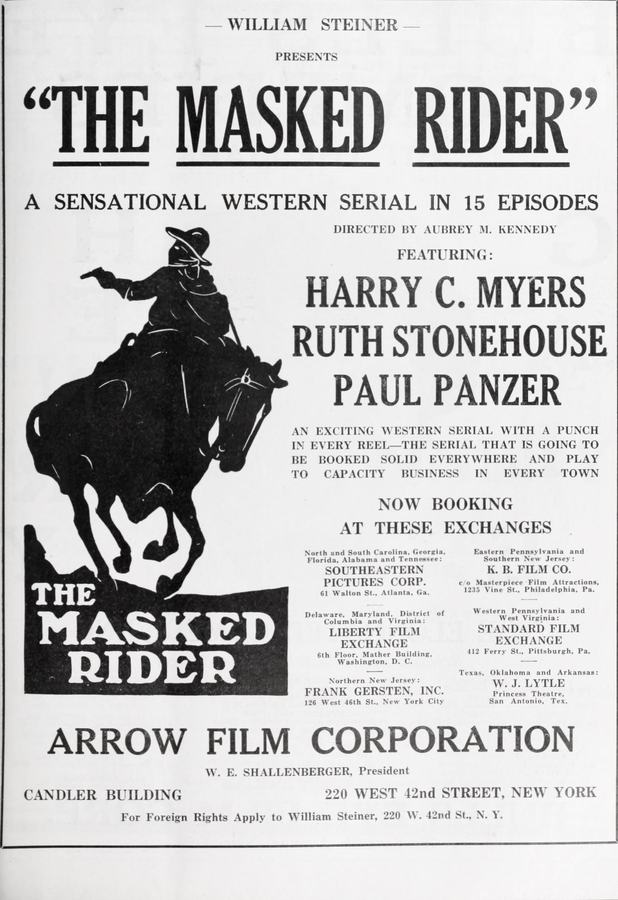
A definitive 6.5/10 rating for a film that redefined the boundaries of cult cinema. The Masked Rider remains a cornerstone of transgressive art.
In the annals of silent cinema, particularly among the thrilling, episodic world of the serial, some films stand out not just for their narrative ambition but for their sheer, unvarnished intensity. The Masked Rider, a sprawling 15-chapter saga from 1919, is one such rarity. It’s a work that defies easy categorization, a borderland epic that plunges headfirst into a maelstrom of vengeance, betrayal, and surprisingly visceral violence for its era. Far from a quaint relic, this serial offers a raw, unflinching look at frontier justice, or its brutal absence, making it a compelling, if unsettling, viewing experience even today.
The very premise of The Masked Rider is steeped in the volatile tensions of the Texas-Mexico border. It’s a landscape ripe for conflict, where lines of allegiance are as shifting as the desert sands. The narrative kicks off with a seemingly straightforward warning from Captain Jack of the Texas Rangers (Robert Taber) to rancher Bill Burrel, hinting at impending trouble from the notorious Mexican cattle rustler, Pancho (Paul Panzer). Burrel’s defiant, almost hubristic, assertion that Pancho won't dare trespass on his territory again sets off a chain of events that spirals into an abyss of brutality. This initial spark, however, is merely kindling for a far more sinister plot, meticulously fanned by Santas (George Chapman), Pancho’s ambitious and resentful lieutenant.
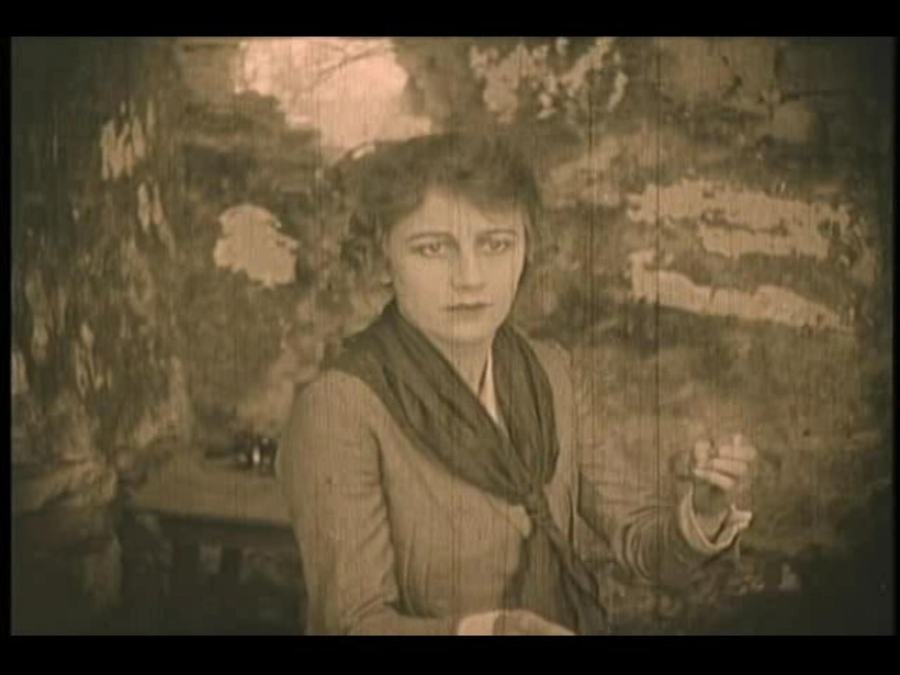
Santas, a character driven by thwarted desire for Pancho’s daughter, Juanita (Marie Treador), becomes the true antagonist, a puppet master pulling strings on both sides of the escalating conflict. Overhearing Burrel’s boast, Santas, with his cohort Rodriguez, sees an opportunity not just to undermine Pancho, but to ignite a full-blown war, hoping to profit from the chaos and perhaps even force Juanita’s hand. This initial act of manipulation is a crucial pivot, transforming what might have been a simple tale of good versus evil into a complex web of deceit where true villains lurk in unexpected shadows. Pancho and his raiders, already sworn to drive settlers off the border country, attack the Burrel ranch. The ensuing violence is swift and merciless; Bill Burrel is shot dead, his life extinguished in a brutal act that immediately plunges his son, Harry (Harry Myers), into a relentless quest for vengeance. Harry’s oath to make Pancho pay for his night's work is not just a personal promise but a declaration of war.
The serial then takes a particularly dark turn. In the chaos of the conflict, Pancho is knocked unconscious. It is here that Santas and Rodriguez execute their most heinous act: crushing Pancho's hands in a press while disguised as Texas Rangers. This deliberate, agonizing torture is designed to fuel Pancho’s hatred, to irrevocably poison his perception of the Rangers. Pancho, now crippled and consumed by what he believes is Ranger cruelty, swears a blood oath of revenge. This moment is critical, as it transforms Pancho from a cattle rustler, albeit a violent one, into a monstrous force of nature, driven by a manufactured grievance. The two factions, the Rangers and Pancho’s gang, are now locked into a cycle of destruction, each convinced of the other’s inherent evil, largely thanks to Santas’s insidious machinations. This mirrors the tragic misunderstandings and escalating violence seen in later, more nuanced Westerns, though in a much more direct and less ambiguous manner for its time.
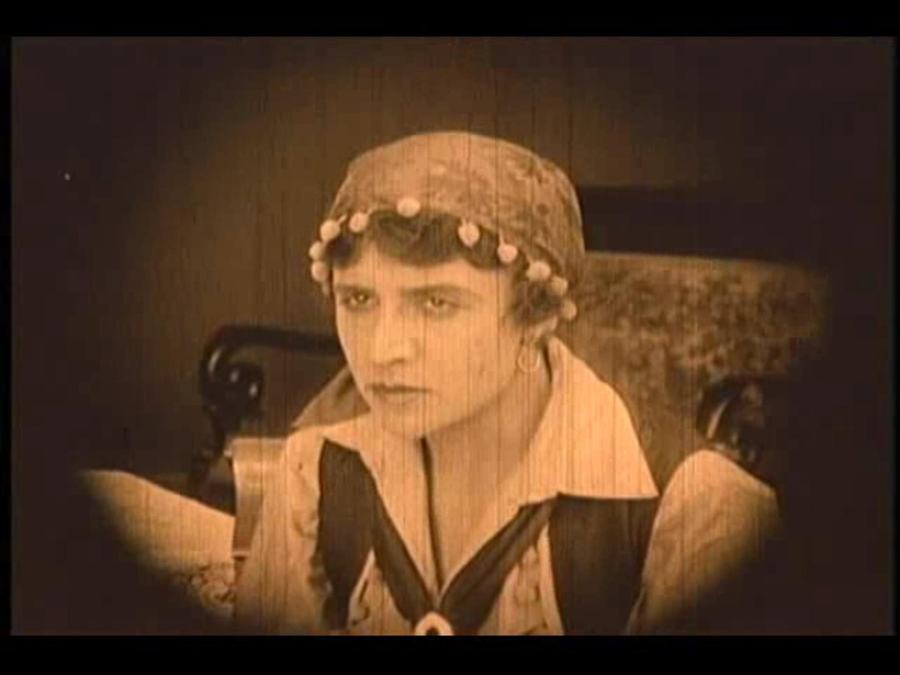
The succeeding chapters of The Masked Rider escalate the brutality exponentially. Pancho and his ruthless gang menace Harry and his sweetheart Ruth (Edna Holland), but their most fiendish acts are reserved for Harry’s younger sister, Blanche (Blanche Gillespie), who is abducted and subjected to deliberate tortures. The narrative doesn’t shy away from depicting the terror and suffering inflicted upon these innocent captives, a remarkable, almost shocking, choice for a film of its period. The black-garbed figure of the Masked Rider emerges as Pancho’s chilling instrument, an emissary of evil who materializes without warning to kidnap, assault, or even fire upon the Texas Rangers, their relatives, and their horses. This enigmatic figure, whose identity is part of the serial’s mystery, adds a layer of gothic dread to the already tense proceedings. The sheer audacity of the Masked Rider’s actions, flouting law and order with such impunity, keeps the audience on edge, chapter after chapter.
Amidst this relentless cycle of violence, a moral beacon flickers in the form of Juanita. Frequently harassed by her father’s own men, she is profoundly shocked by Pancho’s escalating cruelty. Her surreptitious actions to prevent the murder of innocent captives whenever possible reveal a deeply conflicted character, torn between familial loyalty and a nascent sense of justice. Her burgeoning romance with Captain Jack further complicates matters, adding a layer of tragic forbidden love to the already dense narrative. This relationship, while a familiar trope, serves to humanize the conflict, offering a glimmer of hope for reconciliation amidst the prevailing animosity. It's a testament to the serial's ambition that it attempts to weave such complex emotional threads into its action-packed fabric.
Another standout character is the rugged and outspoken 'Ma Chadwick' (Ruth Stonehouse), Ruth’s mother. Far from a damsel in distress, Ma Chadwick emerges as an unexpected, formidable ally to the Rangers. Her fierce determination and practical assistance become invaluable when Blanche, and subsequently Ruth herself, are kidnapped. Ma Chadwick embodies the resilient spirit of the frontier, a woman who refuses to be a victim, actively participating in the fight for her family and community. Her presence adds a much-needed dose of grit and agency, contrasting with the more conventional roles often assigned to women in films of this era. One might draw a thematic parallel to the strong female protagonists found in other early Westerns or adventure serials, though Ma Chadwick's pragmatic defiance feels particularly authentic.
Beyond its intricate plot and compelling characters, The Masked Rider distinguishes itself through its ambitious use of real-world locations and its pioneering approach to action sequences. The cinematography, credited to William N. Neff and Harry W. Perry, leverages the stark beauty and inherent drama of the border landscape. The hacienda complex in Sabinas, Mexico, provides an authentic backdrop for Pancho’s operations, lending a sense of geographical realism that enhances the narrative’s immersion. Similarly, an ancient mission in San Antonio adds a historical weight to the proceedings, grounding the fictional conflict in tangible, recognizable settings.
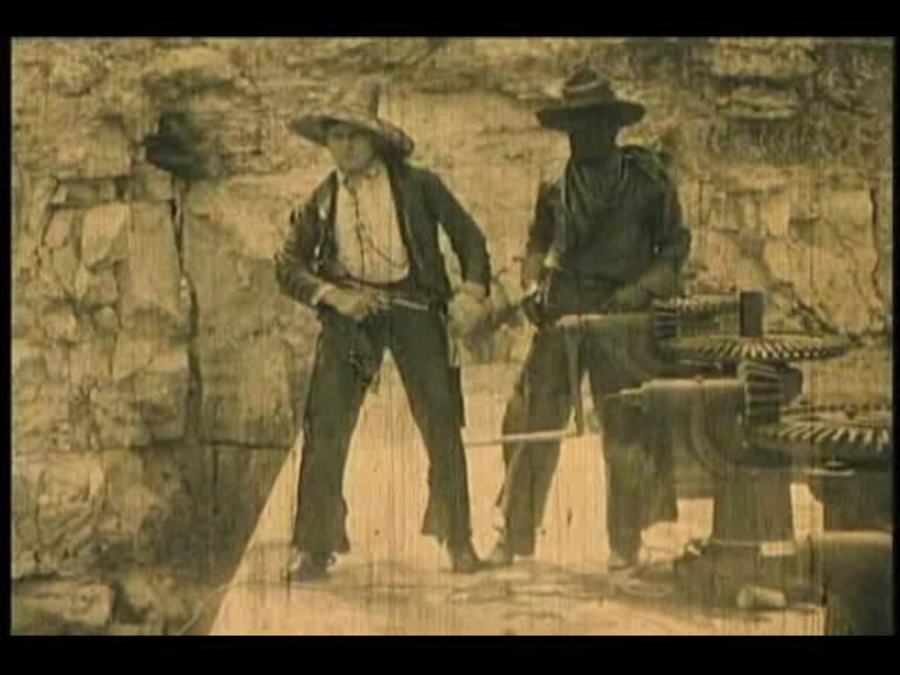
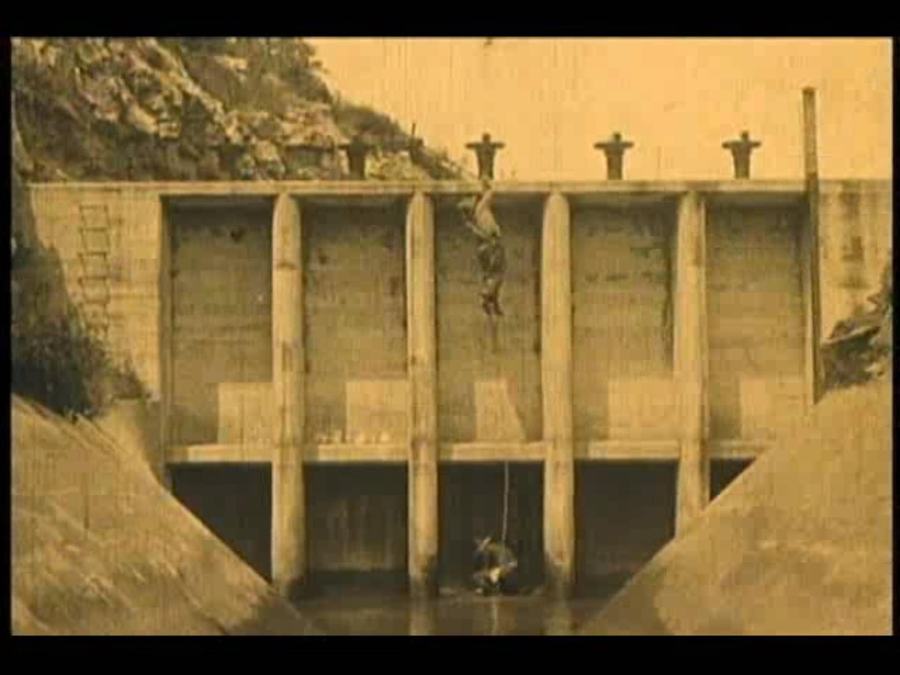
However, it’s the colossal Medina Dam that becomes the stage for one of the serial’s most breathtaking and legendary sequences. Accounts suggest that a significant action scene filmed at the dam was almost thoroughly improvised, diverging dramatically from the original shooting script. This improvisational spirit, born of necessity or creative impulse, often led to some of the most dynamic and unexpected moments in early cinema. The sheer scale of the dam, combined with the daring stunts, must have been a spectacle for audiences of 1919, a testament to the ingenuity of early filmmakers working without the safety nets and special effects of later eras. This kind of raw, on-the-fly filmmaking, though risky, often imbues these early works with an undeniable authenticity and excitement. It’s a spirit of adventurous production that we can also see in other pioneering serials like The Adventures of Kathlyn, which pushed boundaries in its own right.
Another memorable locale is the aptly named "hole in the wall," a labyrinthine passage through the border mountains. Such natural formations provided perfect settings for ambushes, chases, and dramatic standoffs, capitalizing on the rugged, untamed nature of the frontier. These locations are not mere backdrops; they are active participants in the drama, shaping the characters' movements and influencing the flow of action. The very landscape becomes a character, imposing its challenges and offering its hiding places, underscoring the raw, untamed nature of the conflict. The film’s ability to integrate these grand, real-world settings into its fantastical narrative is a significant achievement, elevating it beyond mere studio-bound melodrama.
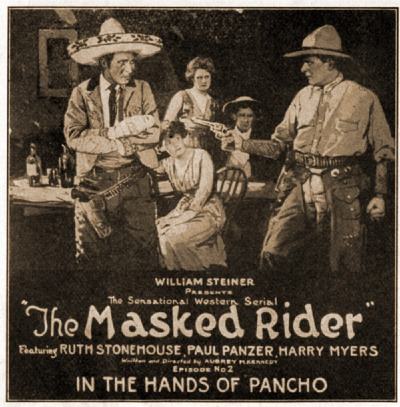
Authored by Aubrey M. Kennedy, the screenplay for The Masked Rider, despite its episodic nature, maintains a remarkable degree of narrative coherence and escalating tension. The serial format, with its inherent cliffhangers, was designed to compel audiences back week after week, and in this regard, The Masked Rider undoubtedly succeeded. Each chapter ends with a perilous predicament, a life-or-death scenario that leaves the viewer gasping for the next installment. This masterful manipulation of suspense is a hallmark of the serial form, and here it is employed with brutal efficiency, driving home the relentless threat posed by Pancho and the Masked Rider.
The performances, particularly from Paul Panzer as Pancho, are noteworthy. Panzer imbues Pancho with a tragic ferocity, a man consumed by a vengeful rage fueled by betrayal. His physical suffering and moral descent are palpable, making him a villain of surprising depth for the era. George Chapman’s Santas, on the other hand, is a chilling portrait of calculated malevolence, a villain whose quiet manipulations are far more insidious than Pancho’s open aggression. Marie Treador’s Juanita provides a much-needed dose of humanity, her struggle between loyalty and morality resonating powerfully. The cast, while adhering to the broader archetypes of the serial, manages to inject enough nuance to keep the characters engaging and their fates compelling.
Comparing The Masked Rider to other films of its time reveals its unique position. While films like Nan of Music Mountain or Bullets and Brown Eyes might have explored frontier themes, few dared to delve into such sustained and deliberate acts of violence and torture. It pushed the boundaries of what was acceptable on screen, hinting at a darker, more complex underbelly of the frontier mythos. The narrative’s focus on prolonged suffering and psychological torment, rather than just quick gunfights, gives it a raw edge that feels surprisingly modern.
In conclusion, The Masked Rider (1919) is more than just an artifact of early cinema; it is a brutal, compelling, and often overlooked masterpiece of the silent serial. Its intricate plot of betrayal and revenge, its surprisingly visceral violence, its strong characterizations, and its ambitious use of real-world locations combine to create an unforgettable cinematic experience. For those willing to look beyond the surface of its age, it offers a fascinating glimpse into a period of filmmaking that was both daring and innovative, a testament to the enduring power of storytelling even without spoken words. It’s a film that demands to be seen, a dark gem that reminds us of the raw, untamed spirit of early cinema and the unvarnished truths it sometimes dared to tell.
IMDb —
1923
Community
Log in to comment.