DbcultAccessing Vault...
5.2/10
Senior Film Conservator
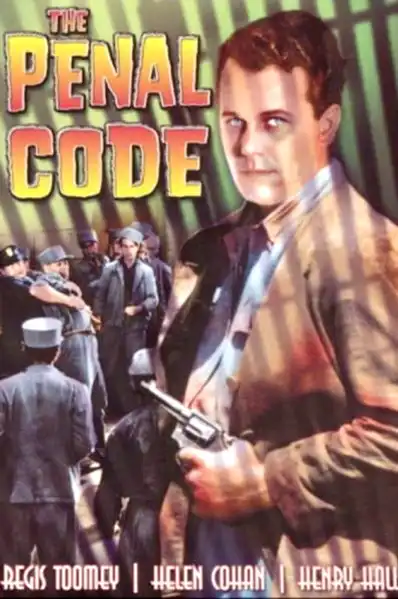
A definitive 5.2/10 rating for a film that redefined the boundaries of cult cinema. The Penal Code remains a cornerstone of transgressive art.
If you are looking for some lost masterpiece of early 30s cinema, keep walking because The Penal Code is definitely not it. But if you have a soft spot for dusty, fast-moving melodrama where guys wear trousers up to their ribs, this might actually hit the spot. 🎬
People who want deep psychological drama will absolutely hate how fast this thing rushes through its plot. It is strictly for folks who find comfort in the creaky, low-budget corners of film history.
Regis Toomey plays Bob, a kid from a small town who takes a wrong turn, does some time in the slammer, and just wants to go straight. Of course, the local sleezebag—who also happens to be his rival for a girl's attention—decides to blackmail him into cracking a bank safe.
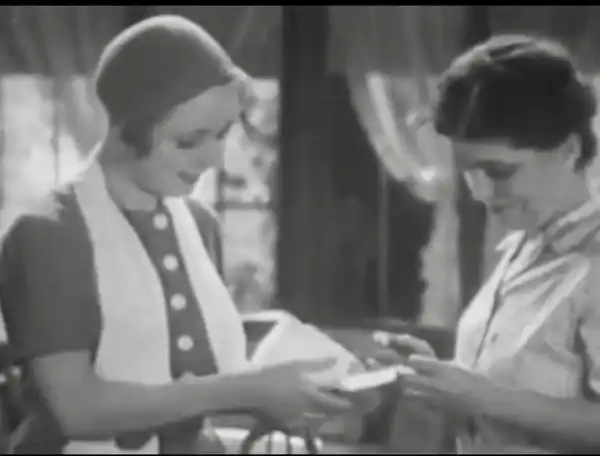
Its a classic setup that you have seen a hundred times. Still, there is a strange, hurried charm to how cheap it all feels.
The sets look like they were put together in about twenty minutes before the cameras started rolling. There is this one scene in the parlor where a character sits down, and you can literally see the cardboard wall wobble slightly behind him.
I love stuff like that. It reminds you that real, tired people made these movies on a shoestring budget during the Great Depression.
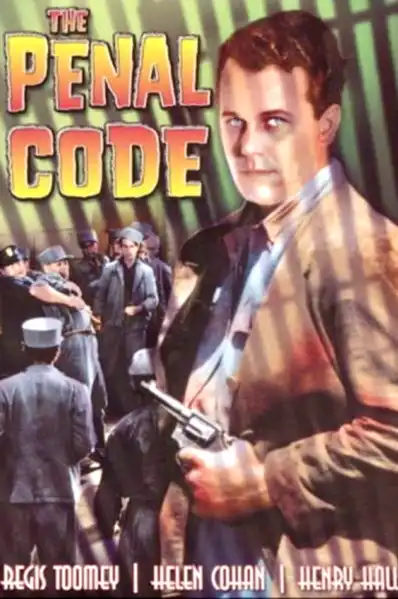
Toomey is actually pretty decent here, bringing that fast-talking, nervous energy he always had. He looks genuinely stressed, which makes sense because the script doesn't give him a single second to breathe.
The romantic rival, played by Robert Ellis, is so cartoonishly evil he might as well be twirling a mustache. He has this habit of squinting his eyes whenever he is thinking of something bad, which is basically his default look for the entire movie.
It is definitely not as weird as some other ultra-obscure films from the era, like Black Oxen, but it has its own little quirks. For instance, the sound design is incredibly sparse.
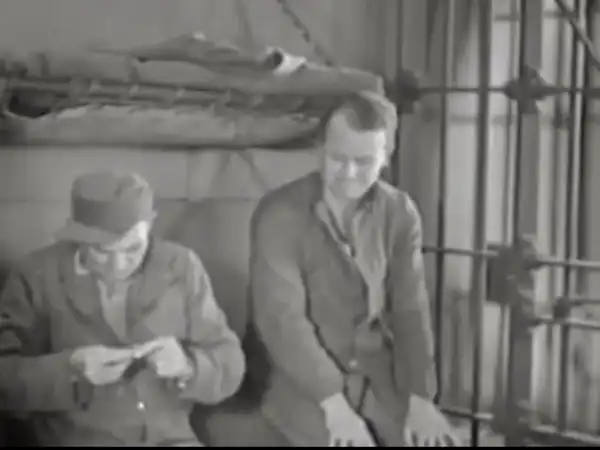
Half the time, the room tone just completely drops out, leaving these massive, awkward pockets of dead silence between lines. You can hear the actors' shoes squeaking loudly on the studio floor.
At one point, a dog barks in the distance, and I am almost sure it wasn't supposed to be in the movie, but they just couldn't afford a second take. 🐕
The climax at the bank is surprisingly short. They spend all this time building up the tension of the safecracking, and then boom, it is over in a flash.
It almost feels like the filmmakers realized they were running out of physical film stock and had to wrap it up before lunch.
This is a very minor film, the kind of thing that used to play on late-night TV when there was nothing else on. If you are in the right mood, its clunkiness is actually its best feature.
IMDb 5.5
1934
Community
Log in to comment.