DbcultAccessing Vault...
Cult Review
Senior Film Conservator
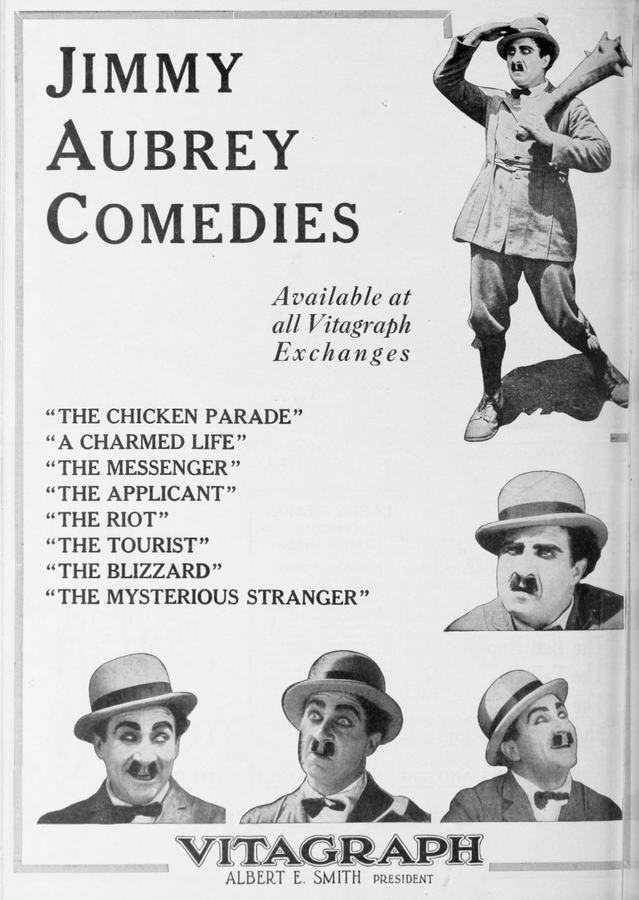
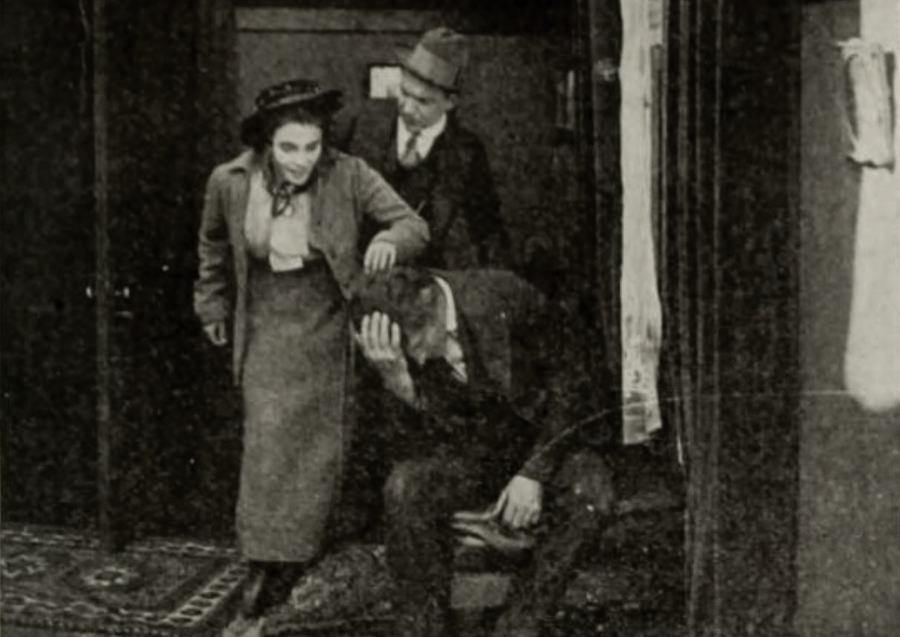
There exists a peculiar magic in silent cinema, a language of gesture and expression that transcends spoken word, drawing us into narratives with an intimacy often lost in the cacophony of sound. Among these cinematic treasures, A Charmed Life emerges as a particularly effervescent example, a film that, despite the passage of a century, retains an undeniable sparkle. Penned by the imaginative Vincent McDermott and brought to vibrant life by the inimitable Jimmy Aubrey, this picture is a delightful romp, an odyssey of optimism against the backdrop of quaint misadventure. It’s a testament to the era’s storytelling prowess, demonstrating how a simple premise, when imbued with genuine character and clever staging, can blossom into something truly memorable.
At its heart, A Charmed Life introduces us to Percival "Percy" Ponsonby, a character who could easily be dismissed as a mere archetype of the hapless romantic, yet Aubrey’s portrayal elevates him to something far more endearing. Percy is not just a dreamer; he is a force of nature, an embodiment of unwavering hope in the face of perpetual penury. His belief in a family locket as the key to a fabled fortune isn't merely a plot device; it's a window into his soul, a symbol of his refusal to surrender to the mundane. McDermott’s script expertly crafts this persona, giving Percy a depth that resonates beyond the slapstick. We root for him not because he is conventionally clever or strong, but because his spirit is unbreakably bright, a luminous beacon in an often-cynical world. This foundational optimism is what truly gives the film its titular charm, suggesting that a positive outlook can indeed manifest its own form of good fortune, even if somewhat inadvertently.
The narrative’s inciting incident, a chance encounter with the spirited Lady Eleanor Vance, is a masterstroke of comedic setup. Her mistaken belief that Percy has purloined her own ancestral heirloom sets in motion a delightful cascade of errors and pursuits. Percy, instantly smitten, opts for romantic gallantry over mundane truth, embracing the role of the misunderstood hero. This decision, while seemingly ill-advised, is perfectly in character for someone who lives as much in his head as in reality. The ensuing chase, with Lady Eleanor’s stern guardian hot on Percy's heels, is a classic silent film trope, executed with refreshing verve. It evokes the kinetic energy of other period pieces, though perhaps with a lighter touch than the more dramatic chases seen in something like The Law's Outlaw. Here, the pursuit is less about grim justice and more about a delightful comedic ballet, a dance of misdirection and charming incompetence.
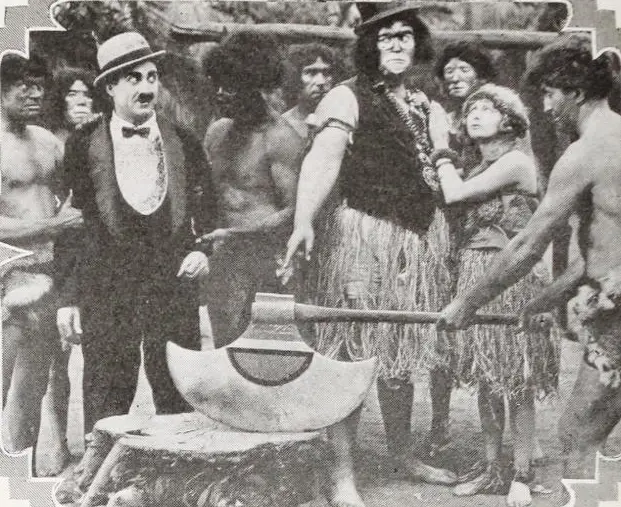
Jimmy Aubrey, a name perhaps not as universally recognized today as Chaplin or Keaton, nonetheless delivered a performance in A Charmed Life that solidifies his place as a master of silent comedy. His physical comedy is precise yet fluid, a symphony of expressive gestures and perfectly timed reactions. Aubrey’s Percy doesn't just fall; he tumbles with a poetic grace that elicits genuine laughter. His wide-eyed innocence, even when embroiled in the most complex of schemes, is utterly captivating. He conveys a spectrum of emotions—from smitten adoration to bewildered panic—with remarkable clarity, relying solely on his face and body. This ability to communicate complex internal states without a single line of dialogue is the hallmark of a truly great silent actor. Compare his nuanced yet broad performance to the more stoic heroism sometimes found in films like The Heart of the North, and Aubrey’s unique talent for lighthearted, character-driven comedy shines even brighter. His charisma is such that even when Percy is at his most bumbling, we never doubt his good intentions or his eventual triumph.
The genius of McDermott's writing is particularly evident in how it provides Aubrey with ample opportunities to showcase his talents. The script doesn't just present a series of gags; it weaves them into the fabric of the narrative, making Percy’s accidental heroism feel organic. The introduction of Silas "The Serpent" Blackwood and his band of jewel thieves adds a layer of genuine peril, but even this is filtered through Percy’s charmed lens. His confrontations with the villains are less about direct conflict and more about serendipitous mishaps that inadvertently foil their plans. One particularly memorable sequence involves Percy stumbling into the thieves' hideout, mistaking their nefarious activities for a peculiar social gathering, leading to a series of escalating comedic misunderstandings that are both clever and uproarious. Aubrey's bewildered expressions throughout this scene are priceless, demonstrating his command over non-verbal storytelling.
The plot, while intricate, never becomes convoluted, a testament to McDermott’s disciplined storytelling. The two lockets, initially a source of comedic misunderstanding, evolve into the central MacGuffin, their true purpose—as two halves of a key to a vault containing not gold, but antiquities and a country estate—a delightful subversion of expectations. This twist elevates the narrative beyond a simple treasure hunt, imbuing it with a more profound sense of value. The real treasure, it suggests, is not material wealth but something more enduring: history, property, and ultimately, love. The film cleverly juxtaposes Percy’s simplistic desire for gold with the more nuanced reality of what the lockets truly represent. This thematic depth, while subtly presented, adds a layer of sophistication often overlooked in comedies of the era.
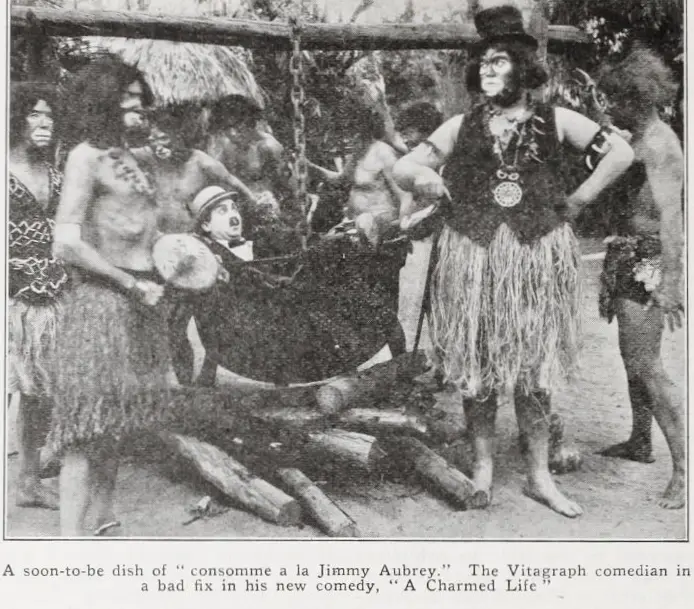
The climax at the dilapidated country estate is a masterclass in controlled chaos. All the disparate threads of the story converge here: Percy, Lady Eleanor, her guardian, and the relentless Silas Blackwood. The sequence is a whirlwind of activity, featuring a runaway carriage, a surprisingly effective flock of geese as unwitting allies, and an impromptu, hilarious theatrical performance by Percy that distracts and confuses the villains long enough for the truth to emerge. It’s a beautifully choreographed farce, reminiscent of the intricate comedic set pieces found in films like The Fortunes of Fifi, but with a unique, almost dreamlike quality. The visual storytelling here is paramount; every glance, every exaggerated movement, every prop contributes to the escalating humor and tension. The use of depth of field and dynamic camera angles, while perhaps rudimentary by modern standards, is employed with an artistic sensibility that enhances the narrative drive.
The cinematography throughout A Charmed Life is remarkably expressive. The use of light and shadow, characteristic of the silent era, is employed not just for mood but also for comedic effect. Bright, sun-drenched exteriors emphasize Percy’s optimistic worldview, while darker, more ominous settings are reserved for the villains, creating a clear visual dichotomy between good and evil. The editing maintains a brisk pace, ensuring that the comedic momentum never falters. Each scene transitions smoothly, guiding the viewer through Percy’s convoluted journey with clarity and wit. The film’s aesthetic, while adhering to the conventions of its time, also demonstrates a nascent understanding of visual rhythm and how it can amplify emotional impact. It lacks the grandiosity of epics like Chûshingura or the stark realism of Defense of Sevastopol, but it carves out its own visual identity through its charming simplicity and focus on character expression.
The resolution of the story is deeply satisfying, eschewing a purely materialistic triumph for a more profound emotional one. Lady Eleanor's realization that Percy's "charmed life" stems from his inherent goodness and unwavering optimism, rather than supernatural luck, is the true heart of the film. It's a powerful message, gently delivered, about the value of character over circumstance. She recognizes that true wealth lies not in gold but in an indomitable spirit and a kind heart. This revelation transforms her character arc from an indignant socialite to a woman who appreciates genuine virtue, mirroring the growth often seen in romantic comedies, albeit with a silent film twist. The final scenes, with Percy now the proprietor of the charming estate and the affections of Lady Eleanor, are imbued with a warmth that lingers long after the credits. It’s a testament to the film’s ability to blend humor with genuine sentiment, a balance that makes it stand out.
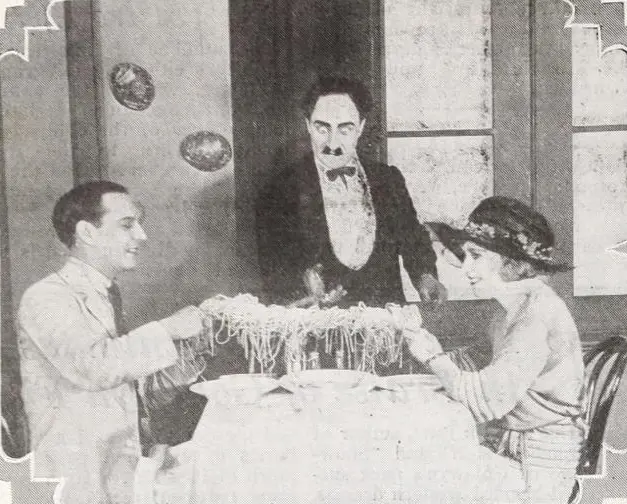
While A Charmed Life may not possess the same historical gravitas as some of its contemporaries, its enduring appeal lies in its unpretentious charm and its masterful execution of comedic storytelling. Vincent McDermott’s script is a blueprint for character-driven comedy, proving that a well-conceived protagonist and a series of escalating, yet logical, mishaps can create a truly engaging narrative. Jimmy Aubrey's performance is a joyful reminder of the power of silent acting, his ability to communicate entire worlds of emotion and intent without a single spoken word. His Percy Ponsonby is a character who, despite his humble beginnings, proves that an optimistic outlook and a good heart can indeed lead to a charmed existence. The film, in its quiet way, asserts that true happiness is found not in the pursuit of external fortunes, but in the cultivation of an inner light. It's a message that remains timeless, resonating across generations and cinematic eras.
The film’s gentle humor and heartfelt conclusion offer a welcome respite from the more dramatic or intense narratives often found in silent cinema, such as the social commentary of Scrap Iron or the intricate period drama of The Cub. Instead, A Charmed Life invites us to simply enjoy the ride, to revel in the delightful absurdity of its protagonist’s journey, and to believe, however briefly, in the possibility of a truly charmed existence. It reminds us of a time when cinema was still finding its voice, yet already speaking volumes through its visual poetry and the sheer talent of its performers. For anyone seeking a dose of pure, unadulterated cinematic joy, A Charmed Life is an absolute gem, a film that continues to radiate warmth and good cheer, a true testament to the enduring power of a well-told story and an impeccably delivered performance. Its legacy is not built on grand pronouncements but on the quiet, persistent magic of its charm, a charm that, like its protagonist, simply refuses to fade.
The intricate dance of mistaken identity, the relentless pursuit, and the eventual triumph of good-natured innocence are all elements that McDermott deftly maneuvers. The film doesn't rely on cheap gags but on situational comedy derived from character and circumstance. This elevated form of humor is what distinguishes it from simpler, more episodic shorts. It feels cohesive, a complete story with a satisfying arc for all its principal players. The supporting cast, though largely silent, contribute significantly to the film’s atmosphere, from the stern, unyielding guardian to the sneering villain, Silas Blackwood. Each character, though broadly drawn, serves a clear purpose in advancing Percy’s narrative and providing obstacles for him to charmingly overcome. The ensemble works in harmony, creating a vibrant world for Percy’s misadventures to unfold. The film also subtly touches upon themes of class and societal expectations, particularly through Lady Eleanor’s initial disdain for Percy’s apparent lack of means, contrasting it with his inherent nobility of spirit. This social commentary, though light, adds another layer of appreciation for McDermott’s thoughtful writing.
In an era that also produced films exploring more profound human struggles, such as Passion Flower, A Charmed Life chooses a path of lightness and hope. It’s a deliberate choice that pays dividends, offering audiences an escape into a world where good ultimately prevails, and optimism is its own reward. The film's pacing is impeccable, never lingering too long on any one gag, but allowing each comedic beat to land effectively before moving on. The use of intertitles, while sparse, is always impactful, providing necessary plot exposition or humorous commentary without disrupting the visual flow. They are integrated seamlessly, a part of the film's unique narrative language. For enthusiasts of early cinema, or anyone interested in the foundational elements of comedic storytelling, A Charmed Life offers a compelling case study in the power of silent film to entertain, to evoke emotion, and to leave a lasting, pleasant impression. It stands as a vibrant example of how a film, even without the benefit of sound, can speak volumes through its heart and its humor.
IMDb —
1924
Community
Log in to comment.