DbcultAccessing Vault...
5.9/10
Senior Film Conservator
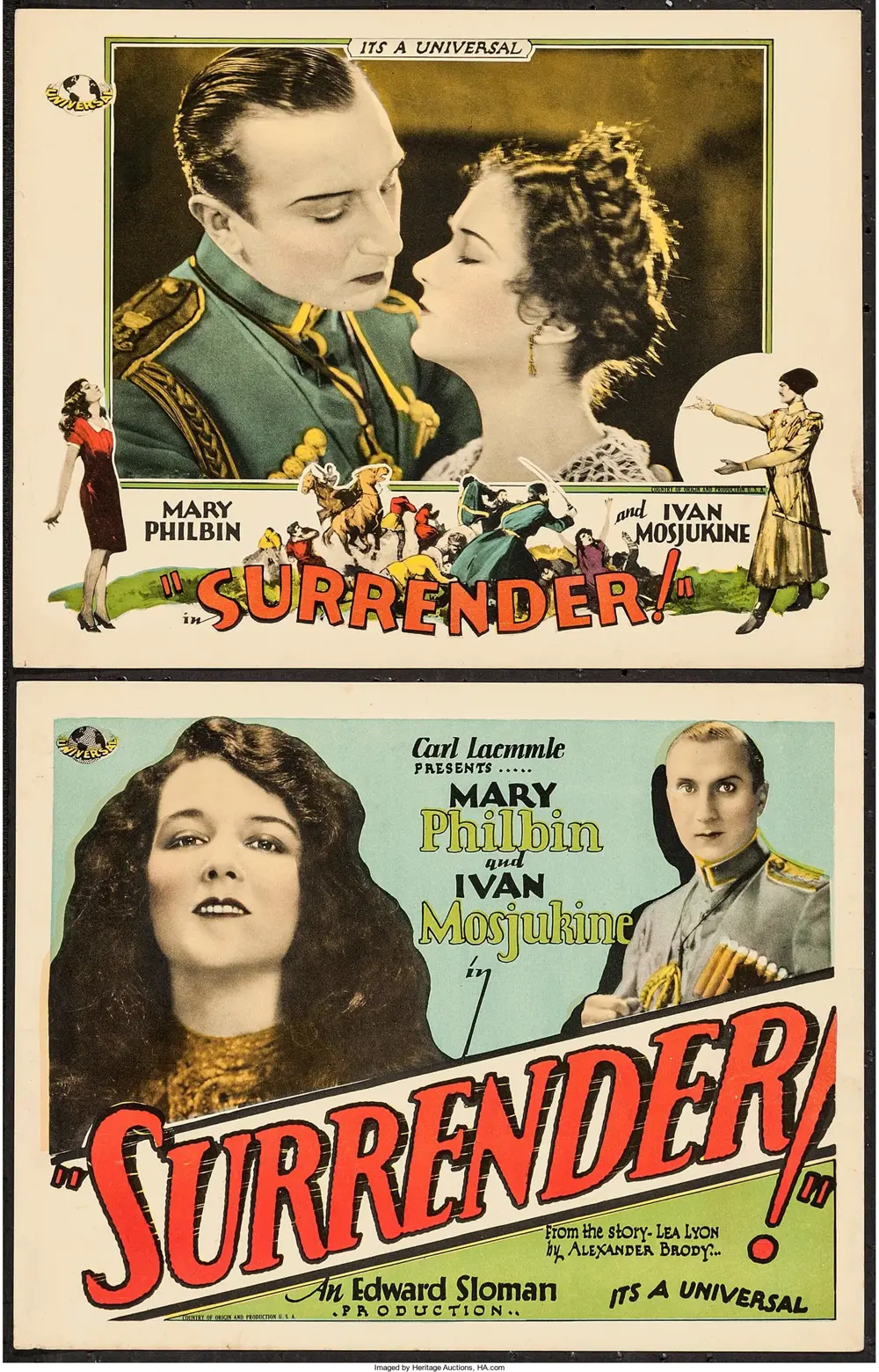
A definitive 5.9/10 rating for a film that redefined the boundaries of cult cinema. Surrender remains a cornerstone of transgressive art.
Is this film worth watching today? Short answer: yes, but only if you have the stomach for a story that uses sexual coercion as its primary engine of suspense. This is a film for those who appreciate the raw, unpolished intensity of silent-era melodrama and for students of early Jewish representation in Hollywood; it is certainly not for those looking for a lighthearted evening or a fast-paced war epic.
This film works because it leverages Mary Philbin’s unique ability to project total vulnerability and inner strength simultaneously, making the central moral dilemma feel visceral rather than theoretical.
This film fails because the second half loses the sharp, terrifying focus of the initial threat, devolving into more conventional romantic tropes that feel unearned given the dark premise.
You should watch it if you want to see a rare example of a 1920s prestige drama that tackles the intersection of religious identity and wartime atrocity with surprising gravity.
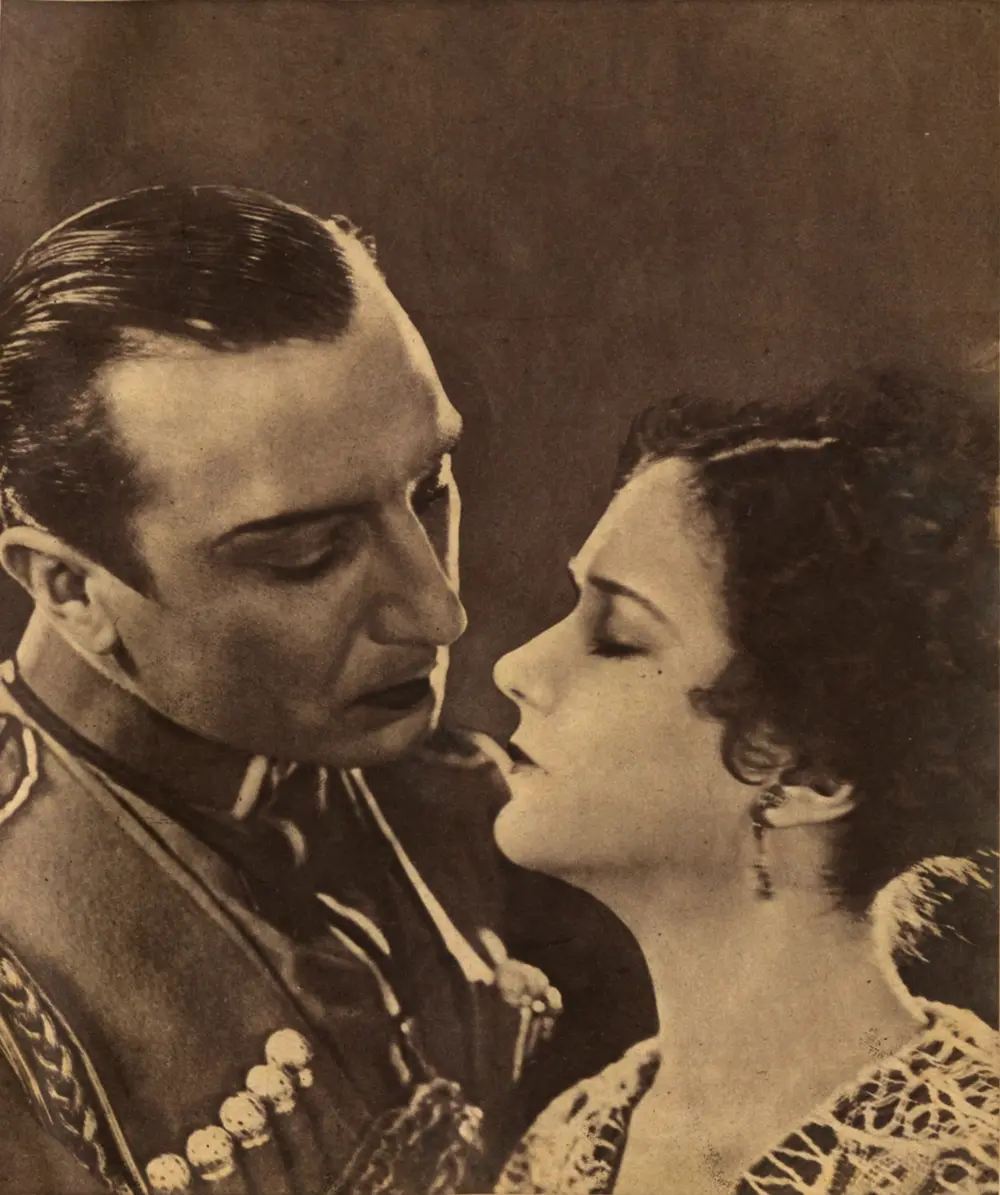
Mary Philbin is often remembered for her role in The Phantom of the Opera, but in Surrender, she is asked to do something much more complex. As Lea, she isn't just a damsel in distress; she is the moral compass of an entire community. The way she uses her eyes to convey the weight of the village's impending destruction is haunting. Unlike the more theatrical performances found in Captain Alvarez, Philbin opts for a grounded, almost modern stillness.
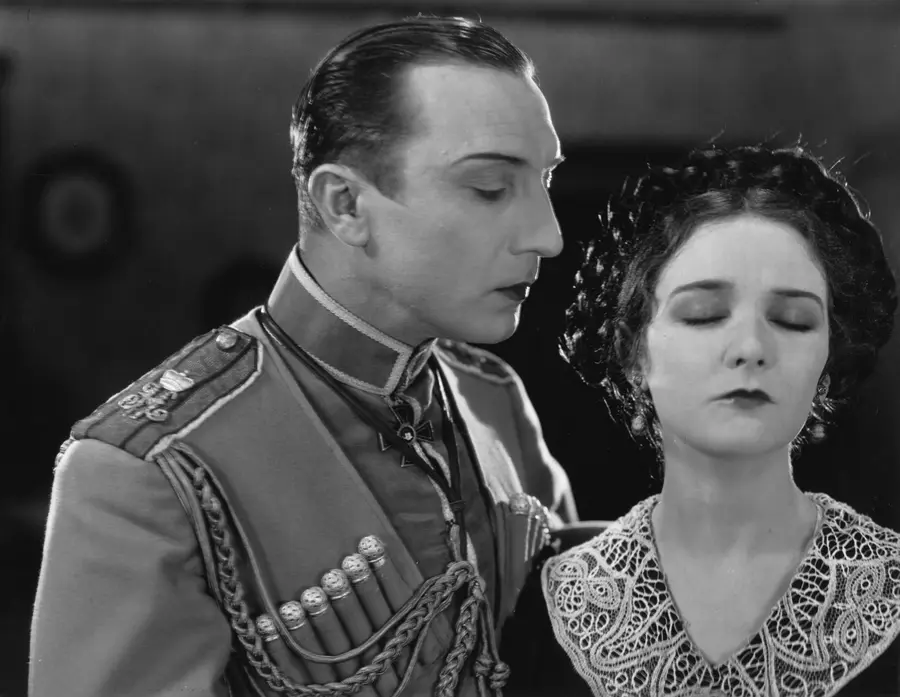
One specific moment stands out: when the Prince first delivers his ultimatum, the camera lingers on Philbin’s face. You can see the exact second her character realizes that her faith and her body are being weaponized against her people. It is a brutal scene, stripped of the usual silent-era pantomime. It makes the viewer uncomfortable, which is exactly what a film about occupation should do. It works. But it’s flawed.
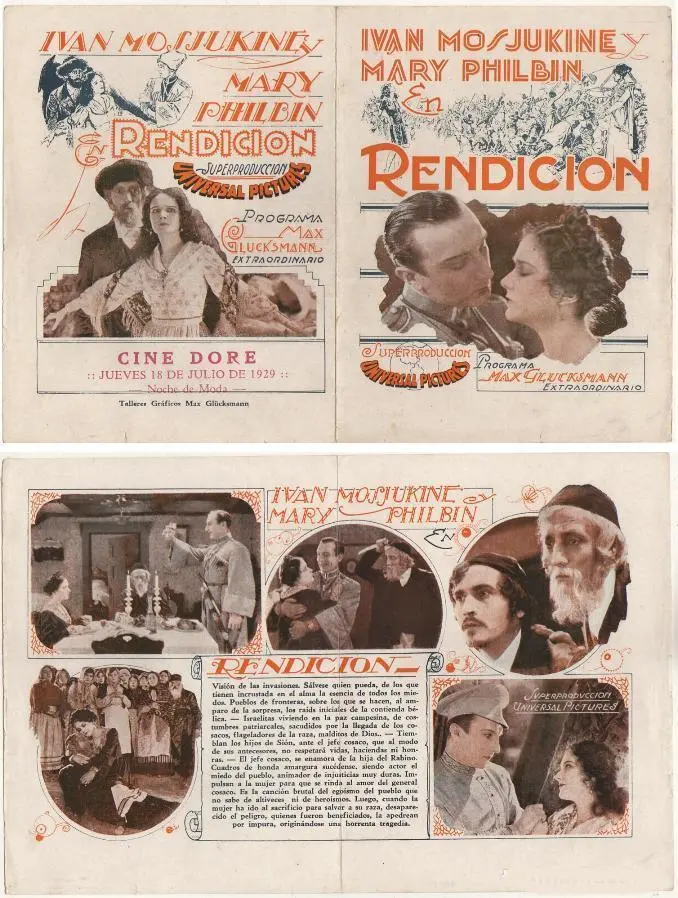
Ivan Mozzhukhin, the legendary Russian actor, brings a frantic, unpredictable energy to Prince Constantine. His performance is a stark contrast to the more traditional leading men of the era, such as those in A Sainted Devil. Mozzhukhin plays the Prince not as a cartoon villain, but as a man bored by power and desperate for a genuine human connection, even if he has to force it.
His physicality is jarring. In the scene where he paces his quarters while waiting for Lea’s answer, he moves like a caged animal. This isn't the polished aristocracy seen in Young Mrs. Winthrop; this is a man who has been hardened by the front lines. However, the film takes a debatable stance by attempting to humanize him later on. One could argue that the Prince is too easily forgiven by the narrative, a choice that feels like a betrayal of the film’s earlier, grittier realism.
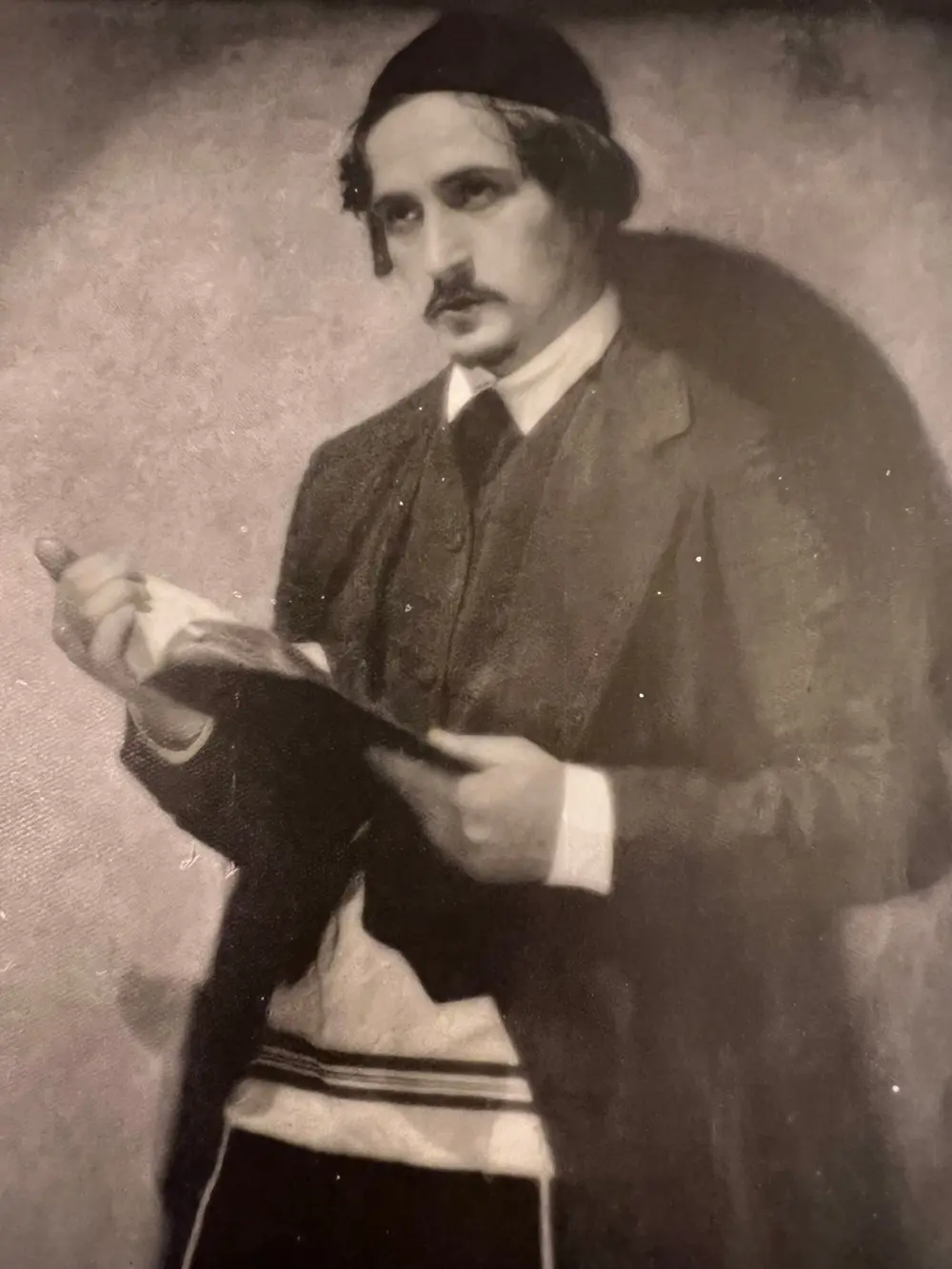
The film treats the Jewish faith of the villagers with a level of respect that was uncommon for 1927. The Rabbi, played with stoic dignity by Nigel De Brulier, is the heart of the village. The cinematography emphasizes the synagogue as a place of refuge, using deep shadows and high-contrast lighting to create a sense of sanctuary that is constantly under threat. This is a significant departure from the more simplistic religious depictions in From the Manger to the Cross.
The visual language of Surrender is its strongest asset. The director uses the Galician setting to create a sense of isolation. The village of Lyonka feels like it exists on the edge of the world, making the arrival of the Russian troops feel like an alien invasion. The use of smoke and fire in the background of many shots serves as a constant reminder of the stakes.
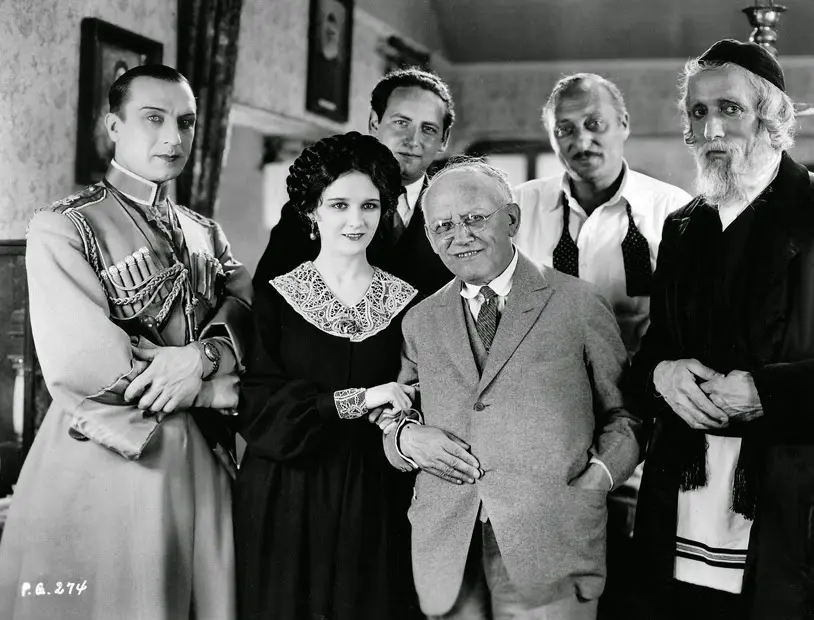
Compare this to the set design of Rose of the World, which is lush and expansive. Surrender is tight, almost claustrophobic. Even the outdoor scenes feel boxed in by the threat of violence. The pacing, however, struggles in the middle act. There are several long sequences of the soldiers carousing that add little to the plot and distract from the central tension between Lea and the Prince. It’s a common issue in silent features where the runtime is padded to meet 'epic' standards.
If you are interested in the evolution of dramatic storytelling, yes. Surrender is a fascinating bridge between the over-the-top melodrama of the early 1920s and the more psychological realism that would emerge in the 1930s. It doesn't shy away from the ugliness of its premise, even if it doesn't always know how to resolve it.
The film’s portrayal of a woman’s agency—or lack thereof—in a time of war remains a potent subject. While some may find the 'sacrifice for the village' trope dated, the performances of Philbin and Mozzhukhin keep it grounded. It is a much more challenging watch than something like Los niños del hospicio, which relies on more sentimental beats. Surrender is cold, hard, and frequently unpleasant, which is why it stays with you.
Pros:
Cons:
Surrender is a difficult film to love, but an easy one to admire. It takes a horrific scenario and refuses to look away, at least for the first hour. While it eventually succumbs to the Hollywood pressure for a more palatable ending, the core of the film remains a sharp critique of power and a moving tribute to the resilience of the oppressed. It isn't a masterpiece, but it is a vital piece of cinema history that deserves to be seen. The performances alone elevate it above the standard fare of its day. It’s a grim reminder that in war, the battlefield is often a person’s soul. Watch it for Philbin. Watch it for the history. But don't expect to feel good when the credits roll.
IMDb —
1933
Community
Log in to comment.