DbcultAccessing Vault...
5.9/10
Senior Film Conservator
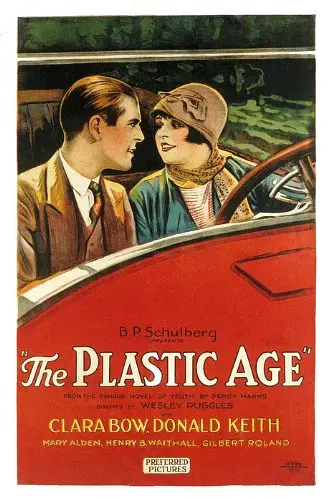
A definitive 5.9/10 rating for a film that redefined the boundaries of cult cinema. The Plastic Age remains a cornerstone of transgressive art.
The Plastic Age, directed by Percy Marks, Frederica Sagor Maas, and Eve Unsell, is a cinematic masterpiece that has stood the test of time. Released in 1925, this silent film tells the story of Hugh Carver, played by Clark Gable, a charismatic and athletic freshman at Prescott College.
Hugh's life is turned upside down when he meets Cynthia Day, portrayed by Carole Lombard, a vivacious and popular girl who is accustomed to getting her way. As they embark on a romantic journey, Hugh finds himself struggling to balance his love life with his academic and athletic responsibilities.
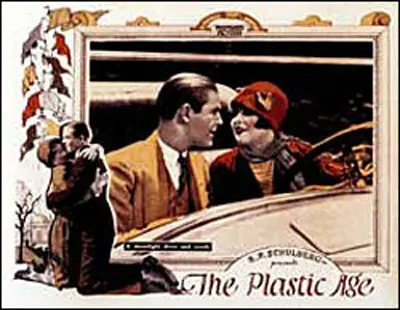
The film's narrative is expertly woven, with a keen focus on character development and the complexities of young adulthood. The chemistry between Gable and Lombard is undeniable, and their performances are complemented by a talented supporting cast, including Felix Valle, Mary Alden, and Gwen Lee.
One of the most striking aspects of The Plastic Age is its thoughtful exploration of the pressures faced by young people in a collegiate setting. Hugh's struggles to maintain his athletic training, excel academically, and please Cynthia serve as a poignant reminder of the challenges that many students encounter.
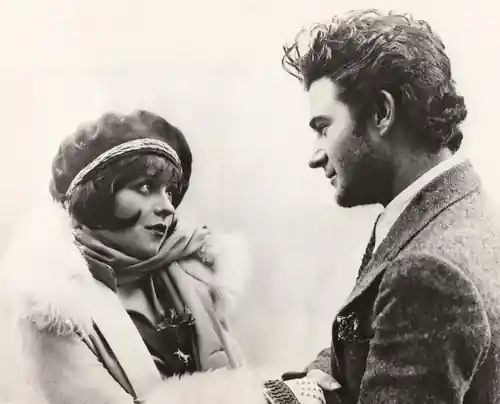
The film's themes are timeless, and its commentary on the human experience is both insightful and thought-provoking. As Hugh navigates the complexities of love and identity, he is forced to confront some difficult decisions that will ultimately shape his future.
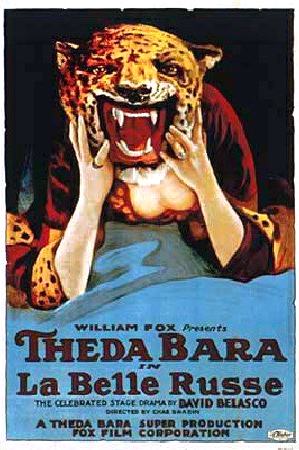
In comparison to other films of the era, such as Footlights and The Heart of Jennifer, The Plastic Age stands out for its nuanced portrayal of youthful angst and the pursuit of happiness. While films like Man's Plaything and Why Elephants Leave Home may share similar themes, The Plastic Age presents a more cohesive and engaging narrative.
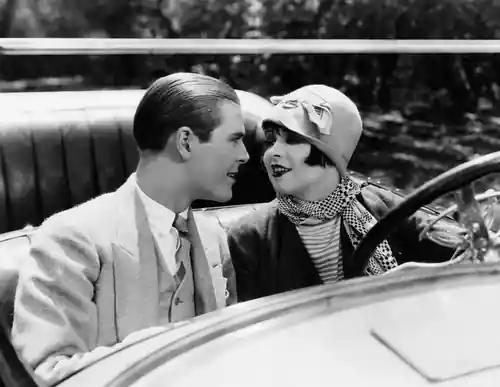
The film's cinematography is also noteworthy, with a keen attention to detail and a muted color palette that adds to the overall sense of nostalgia and longing. The score, while not present in this silent film, would undoubtedly complement the on-screen action, enhancing the emotional impact of key scenes.
Upon reflection, it becomes clear that The Plastic Age is more than just a romantic drama – it is a thoughtful exploration of the human condition. As Hugh and Cynthia navigate the complexities of love and identity, they serve as a proxy for the audience, allowing viewers to reflect on their own experiences and emotions.

The performances in The Plastic Age are exceptional, with Gable and Lombard delivering standout turns. Their chemistry is undeniable, and their portrayals of young love are both authentic and relatable.
In conclusion, The Plastic Age is a cinematic treasure that continues to captivate audiences with its timeless themes and nuanced portrayal of young adulthood. As a film critic, I highly recommend this silent masterpiece to anyone interested in exploring the complexities of the human experience.

With its thoughtful exploration of love, identity, and the pressures of collegiate life, The Plastic Age is a must-see for film enthusiasts and historians alike. While other films, such as Disraeli and The Lone Round-Up, may share similar themes, The Plastic Age presents a unique and engaging narrative that continues to resonate with audiences today.
The film's legacy extends beyond its on-screen narrative, serving as a testament to the enduring power of cinema to captivate and inspire. As a film critic, I am honored to have had the opportunity to experience The Plastic Age, and I highly recommend it to anyone interested in exploring the rich history of cinema.
IMDb 6.6
1936
Community
Log in to comment.