DbcultAccessing Vault...
6.7/10
Senior Film Conservator
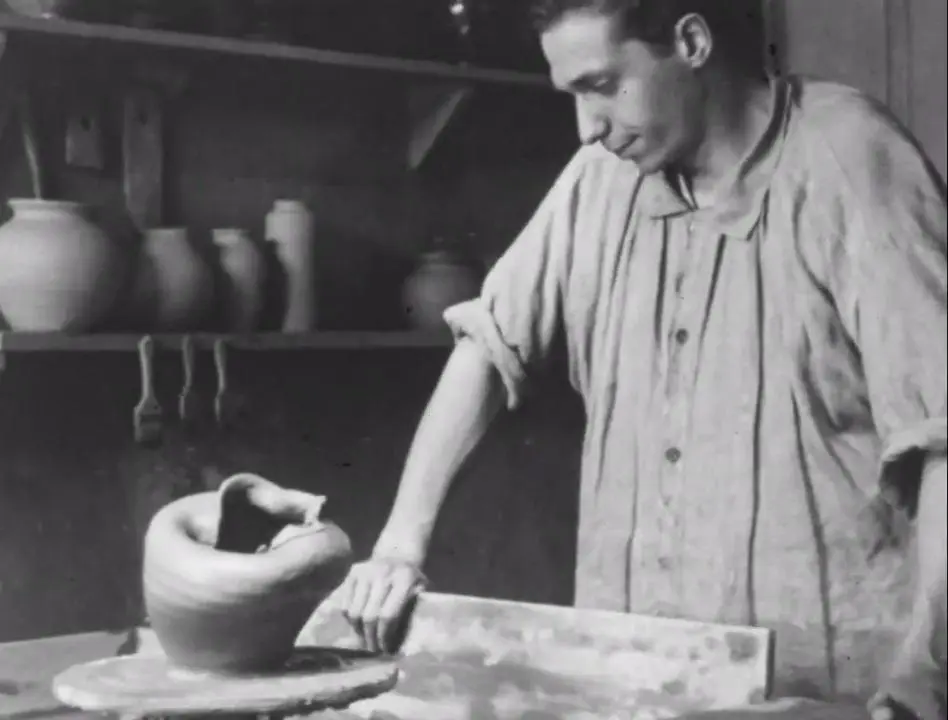
A definitive 6.7/10 rating for a film that redefined the boundaries of cult cinema. The Potterymaker remains a cornerstone of transgressive art.
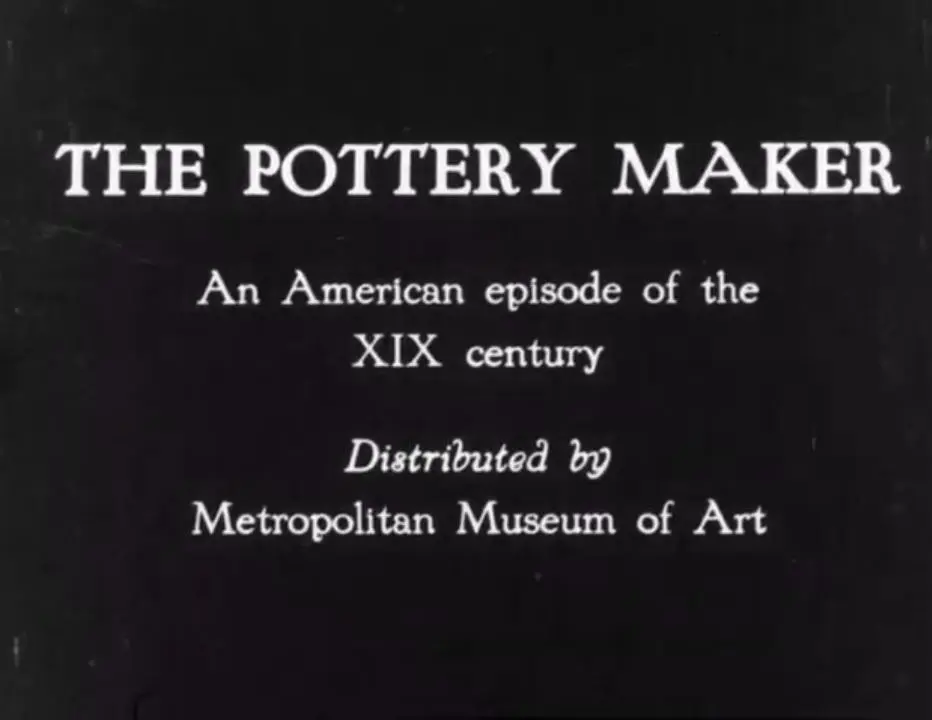
The Potterymaker
In the dimly lit confines of his workshop, Victor Raffo, an artisan of unrelenting passion, breathes life into the inanimate. His craft, a harmonious blend of technique and intuition, transcends the mundane, entering the realm of the sublime. It is here, amidst the tactile dance of his hands, that we find ourselves enveloped in a world where the boundaries between reality and art dissolve.
The film, a nuanced exploration of the creative ethos, unfurls with a poignant incident: a young girl's innocent visit to Raffo's shop culminates in the destruction of his latest creation. This unforeseen turn of events serves as the catalyst for a profound introspection into the very essence of artistry.
As Raffo embarks on the arduous journey of recreating his destroyed masterpiece, we are treated to an intimate portrayal of the potterymaker's craft. The meticulous attention to detail, the relentless pursuit of perfection, and the meditative quality of the creative process are all rendered with a sensitivity that borders on the reverential.
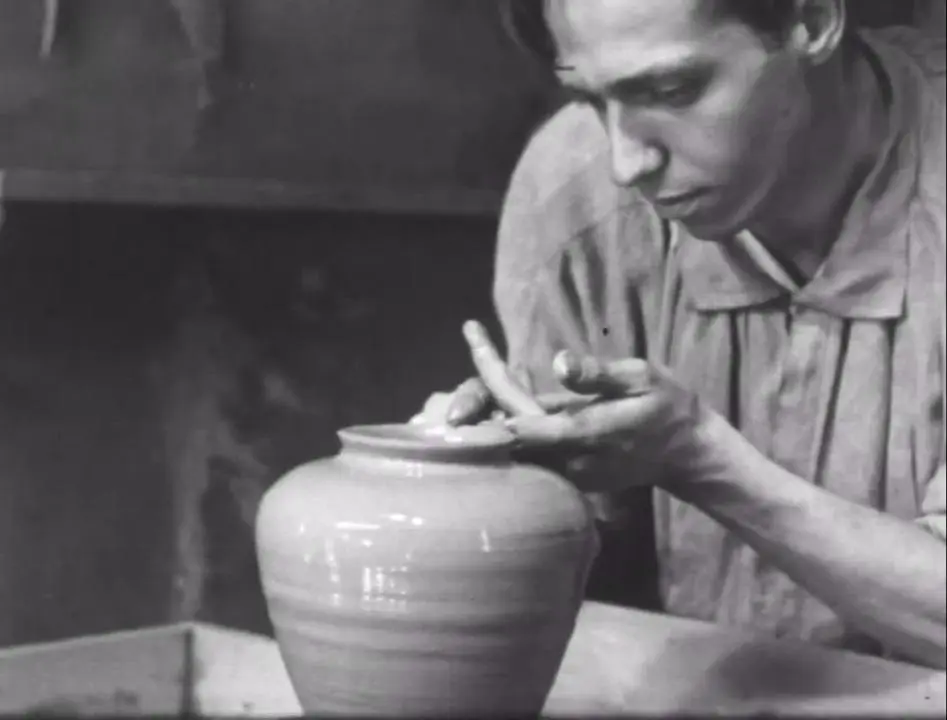
Through a masterful interweaving of documentary and fiction, The Potterymaker invites us into a reflective space, prompting us to ruminate on the dialectical relationship between creator and creation. This is a film that eschews didacticism, instead opting for a more organic, experiential approach to storytelling.
In its contemplative silence, we find echoes of Aura o las violetas, where the lyrical and the prosaic coalesce to form a cinematic tapestry of remarkable texture and depth. Similarly, the thematic resonance of The Kiss is discernible, albeit in a more subtextual manner, as Raffo's journey serves as a metaphor for the enduring power of love and creation.
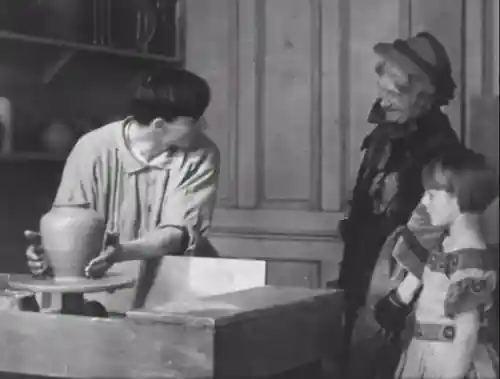
The performances, too, warrant accolades. Victor Raffo, with his nuanced portrayal of the potterymaker, brings a level of authenticity that is nothing short of captivating. Elizabeth Bacon Custer and Ruth Raffo, in their supporting roles, add a layer of warmth and humanity, underscoring the film's central thesis: that art, in its most elevated form, is a reflection of our shared human experience.
As we navigate the labyrinthine corridors of Raffo's creative process, we are reminded of the sage words of You Find It Everywhere: that art is not merely something we behold, but an intrinsic part of our existence, woven into the very fabric of our being.
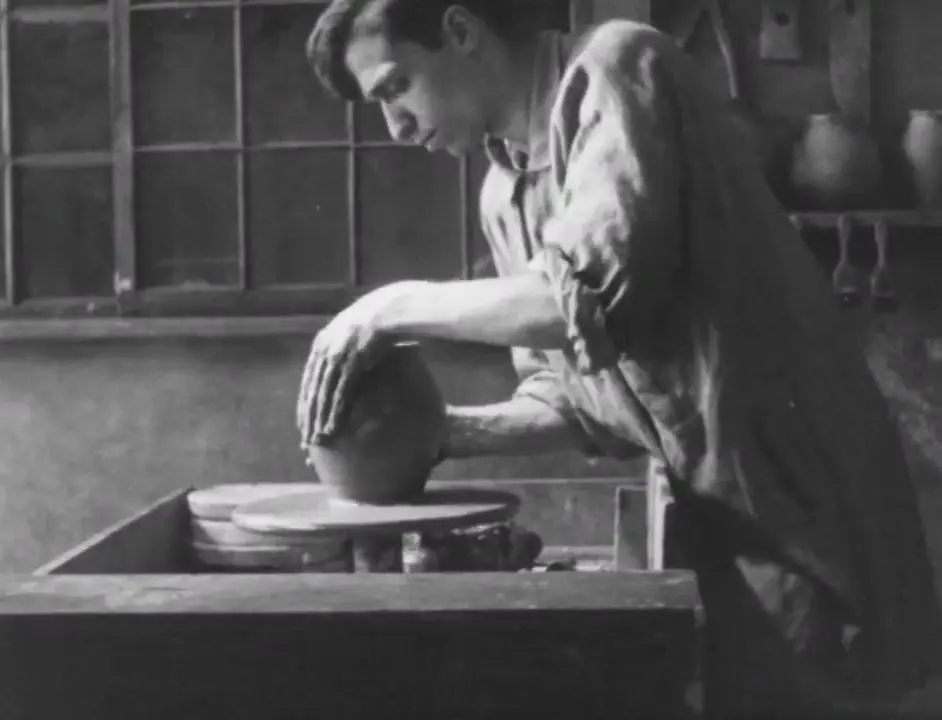
In conclusion, The Potterymaker stands as a testament to the transformative power of art. It is a film that will resonate with aficionados of cinema and pottery alike, its themes and motifs echoing long after the curtain falls.
A film comparable to Der König ihres Herzens, A Man's Making, and On with the Show in its artistic exploration.
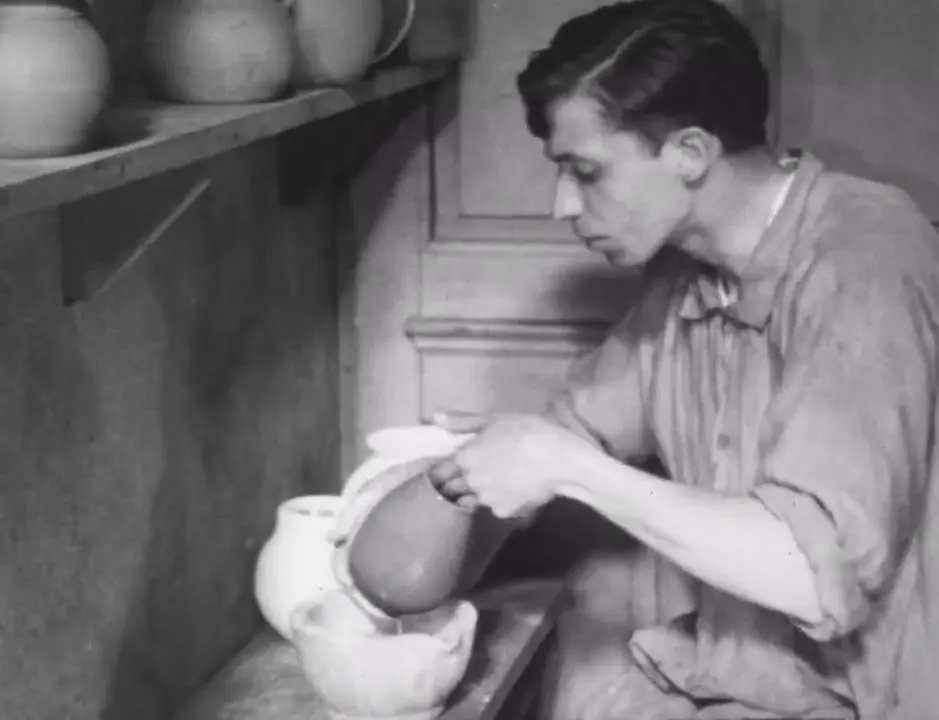
Additional films that explore similar themes include Alsace, The Song of Songs, and The Counterfeit Trail.
The cinematography and direction bring to mind Riders of the Law and The Jack Rider, while the thematic depth is reminiscent of Forsaking All Others, Shuffle the Queens, and Barnaby's Grudge.
The film's reflective tone and artistic exploration are similar to The Great Day.
IMDb 5.8
1918
Community
Log in to comment.