DbcultAccessing Vault...
5.5/10
Senior Film Conservator
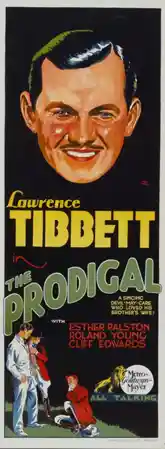
A definitive 5.5/10 rating for a film that redefined the boundaries of cult cinema. The Prodigal remains a cornerstone of transgressive art.
Alright, let’s talk about The Prodigal. If you’ve got a soft spot for early 1930s melodramas, especially those grappling with Southern family pride and societal expectations, this one might be worth a look. For anyone else, particularly those expecting snappy dialogue or modern pacing, you'll probably find it a bit of a slog. It’s a niche watch, to say the least. 🐌
The story kicks off with Jim, the 'black sheep' of a wealthy Southern clan, just showing up after five years away. He’s been living life as a hobo, and suddenly he's back on the family plantation. Talk about an awkward family reunion!
His dad, played by Purnell Pratt, carries this almost *visible* disappointment throughout. Every glance feels heavy with unspoken judgment. You can really feel the weight of his legacy, his expectations for Jim.
Then there’s Jim himself, played by Lawrence Tibbett, who was apparently a big opera star. And wow, does he make that known. There's this scene where he sings to some hobo buddies, and it’s this incredibly polished, booming opera voice. It feels so out of place in the grimy setting, almost _too perfect_ for a man who’s supposedly been roughing it. It just kinda pulls you out of the moment. 🤔
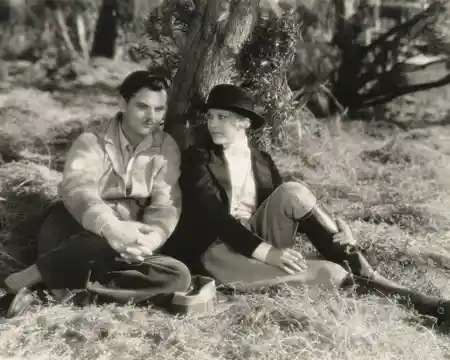
The film really leans into the contrast between Jim’s rough new self and his old life. His worn, dirty clothes against the family’s crisp white suits and elegant dresses. It’s a simple visual, but it really underscores how far he's drifted from where he started.
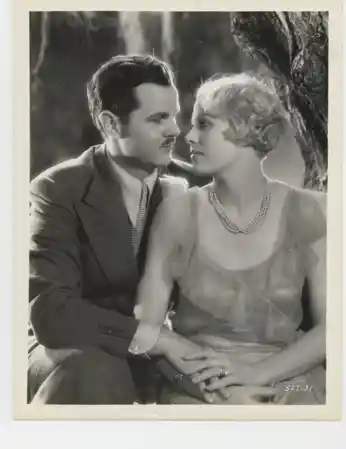
Susanne Ransom plays Mary, Jim’s old flame. Her role mostly involves looking concerned and reminding Jim of his potential. She’s sweet, sure, but the character doesn't get a ton to do beyond that. She's a good presence, though.
One thing that sticks out is how *stiff* some of the interactions are. You can practically hear the script pages turning. The dialogue, at times, feels less like people talking and more like actors reciting lines. It's a symptom of early sound films, I guess, but it's noticeable.
There's a scene where Jim recounts his hobo experiences to his family. The camera holds on their faces, a mix of horror and morbid curiosity. They’re clearly disgusted, but they can't quite look away. Like he’s brought back tales from a different planet.
And, of course, Stepin Fetchit makes an appearance. His character, as you’d expect for the time, is problematic. It's a reminder of the era's difficult racial caricatures, and it’s definitely an uncomfortable element to watch now. It's just... there.
The pacing is pretty deliberate. It takes its time. A lot of lingering shots of the plantation, the fields, trying to evoke a sense of Southern grandeur. It works sometimes, but other times you just want things to move along a bit faster. 💨
The rivalry between Jim and his brother is mostly simmering beneath the surface. It’s not an explosive, shouty thing, but you see it in the tight smiles and quick, resentful glances. It's a nice touch, understated.
I remember one shot of a family dinner where an extra in the background just completely missed their cue. They looked utterly lost, just staring into space. A small, funny little detail that probably wasn't meant to be seen. 😂
The ending ties things up a bit too neatly, almost abruptly. After all the dramatic tension and lingering family issues, it feels like they just hit the 'resolve' button. It leaves you wondering if all that emotional journey was really earned.
Overall, The Prodigal is a curious piece of cinematic history. It's not a forgotten masterpiece, but it does offer a glimpse into early Hollywood's attempts at serious drama. If you're studying film history or just really love old movies, give it a shot. Otherwise, you might want to spend your time elsewhere. It’s okay. Just *okay*.
IMDb 6.9
1927
Community
Log in to comment.