DbcultAccessing Vault...
6.9/10
Senior Film Conservator
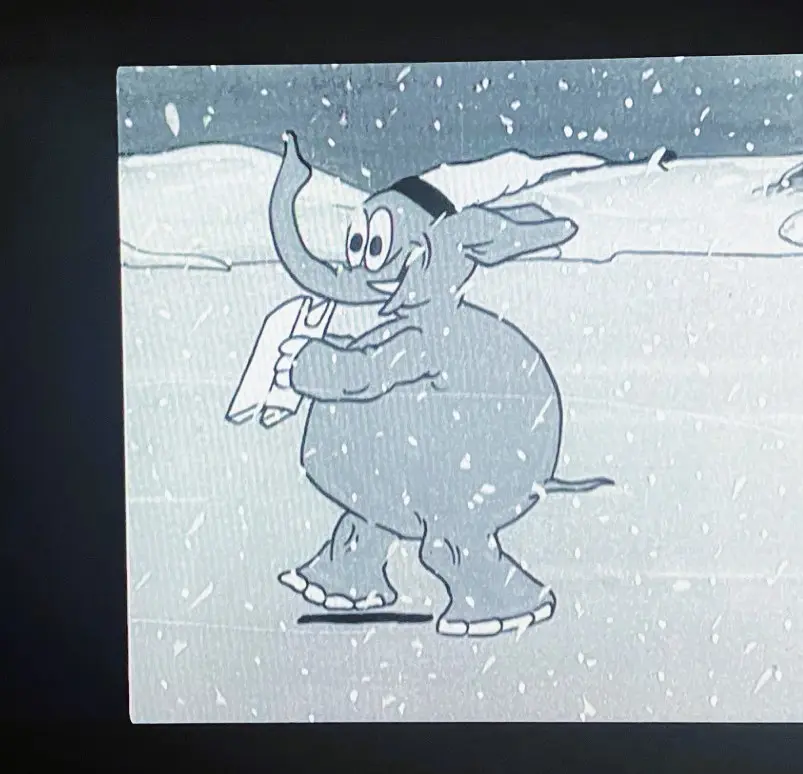
A definitive 6.9/10 rating for a film that redefined the boundaries of cult cinema. When Snow Flies remains a cornerstone of transgressive art.
Is When Snow Flies worth watching today? Short answer: yes, but only if you are willing to trade modern pacing for a haunting, atmospheric experience that lingers long after the screen goes black.
This film is for the patient cinephile who views the screen as a canvas for emotion rather than a vehicle for plot. It is definitely not for those who require rapid-fire dialogue or explosive set pieces to remain engaged.
1) This film works because it utilizes the limitations of silent cinema to create an oppressive sense of dread that sound might have actually ruined.
2) This film fails because its second act leans too heavily on repetitive visual motifs that can feel redundant to a modern eye.
3) You should watch it if you want to see how early filmmakers captured the raw, unyielding power of nature without the safety net of CGI.
When we look back at the era of Reputation (1921) or the social explorations of Wonderful London: Flowers of London, we often expect a certain level of theatricality. However, When Snow Flies breaks that mold. John Foster delivers a performance that is uncharacteristically restrained for the period. He doesn't flail; he withers. There is a specific scene where Foster’s character stares through a frosted windowpane, and the camera lingers on his eyes for a full thirty seconds. In that silence, you feel the weight of every year he has spent in isolation. It is a masterclass in internal acting.
The cinematography is the true star here. Unlike the urban grit found in The Speakeasy, When Snow Flies utilizes high-contrast lighting to turn the winter landscape into a surreal, almost alien world. The way the shadows of bare branches dance across the cabin walls during the night scenes creates a sense of encroaching doom. It is visually arresting in a way that feels intentional, not accidental. The film understands that white space—the literal snow—is just as terrifying as the dark.
If you are looking for a historical curiosity that still packs an emotional punch, the answer is a resounding yes. It offers a bridge between the early experimental shorts and the sophisticated features that would follow. While it lacks the narrative complexity of Prestuplenie i nakazanie, it compensates with a purity of vision that is rare. It isn't just a movie; it’s a mood. It works. But it’s flawed.
One must approach this film with the right mindset. If you compare it to the high-stakes drama of The She Wolf, you might find it lacking in momentum. But if you view it as a precursor to the psychological thrillers of the 1940s, its brilliance becomes clear. The pacing is deliberate. Some might call it slow. I call it necessary. You cannot feel the cold if the scene ends in five seconds.
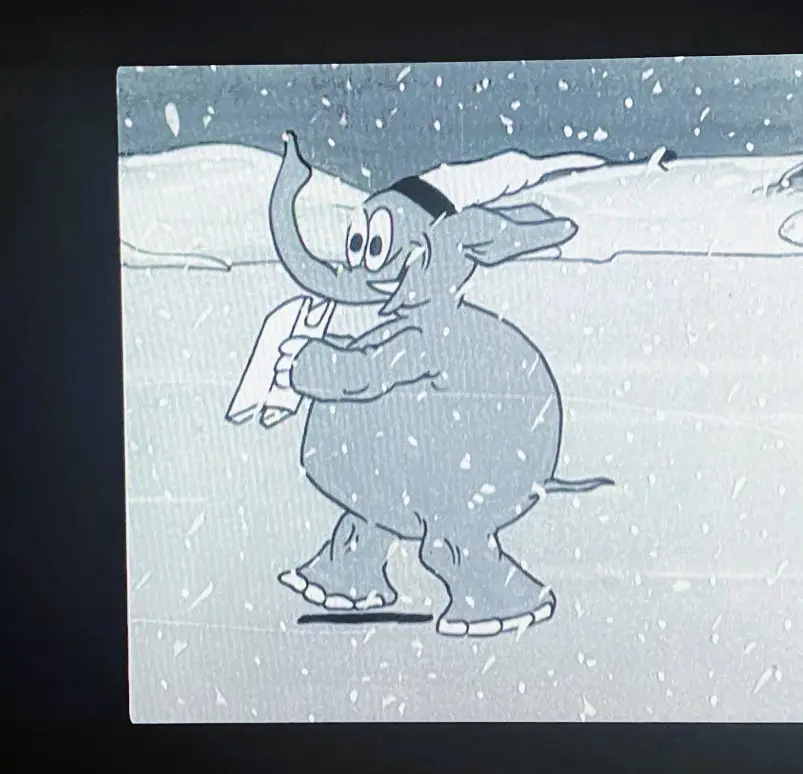
The direction in When Snow Flies is surprisingly modern. There is a sequence involving a trek through a blizzard that rivals the intensity of Fighting the Flames, albeit on a much more intimate scale. The director uses close-ups to heighten the claustrophobia of the outdoors—a paradox that works beautifully. By focusing on the protagonist's labored breathing and the ice forming on his collar, the film makes the vast wilderness feel like a small, suffocating room.
Compare this to His Majesty, the American, which relies on grand gestures and sweeping movement. When Snow Flies finds power in stillness. It is a brave choice for a silent film, where the temptation is always to over-act to ensure the audience understands the stakes. Here, the stakes are written in the frost. The film trusts the audience to understand the gravity of the situation without being hit over the head with title cards.
The visual composition is second to none for its era. The film manages to make a single location feel like an epic battlefield. John Foster’s performance is a revelation, proving that silent cinema didn't always have to be "loud." The ending is hauntingly ambiguous, a rarity for films of this time which usually preferred a moralistic resolution like those seen in Nina, the Flower Girl.
The pacing in the second act is undeniably sluggish. There are moments where the film feels like it’s waiting for the weather to change rather than pushing the character forward. Additionally, the lack of a strong secondary character can make the isolation feel a bit monotonous for viewers accustomed to ensemble dynamics like those in Agnes Arnau und ihre drei Freier.
Here is a thought: When Snow Flies is actually a horror movie disguised as a drama. We spend so much time looking at the snow that it begins to look like a shroud. The silence isn't just a technical limitation; it's a thematic choice. In most silent films, like The Song of Love, you can almost "hear" the music or the voices. In this film, you hear nothing but the wind in your own head. That is a terrifying achievement for a film made over a century ago.
Furthermore, the film’s treatment of property and survival echoes the themes in By Right of Possession, but strips away the romanticism. There is no nobility in this struggle. There is only the cold. This cynicism is what makes the film feel so contemporary. It doesn't promise that things will be okay. It only promises that the snow will keep flying.
When Snow Flies is a polarizing piece of cinema that demands respect even if it doesn't always provide entertainment in the traditional sense. It is a grim, beautiful, and ultimately rewarding experience for those who can tune their internal clock to its frequency. It lacks the whimsical charm of The Sleepyhead or the adventurous spirit of A Virgin Paradise, but it possesses a soul that those films often lack. It is a stark reminder that even in the infancy of the medium, filmmakers were capable of exploring the deepest, darkest corners of the human condition. Don't go in expecting a light watch. Go in expecting to be frozen in place. It’s a bold, icy triumph that deserves a spot in the conversation of essential silent works.
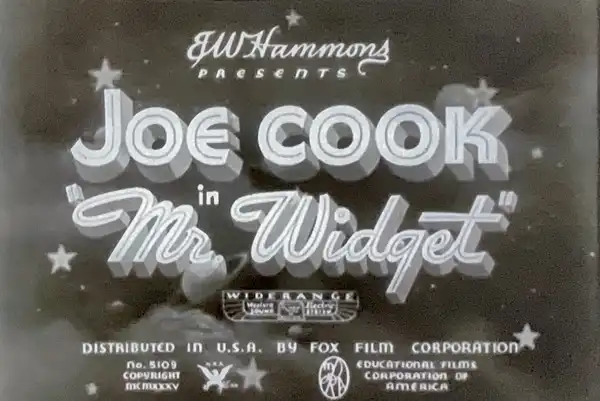
IMDb 8.1
1935
Community
Log in to comment.