DbcultAccessing Vault...
Cult Review
Senior Film Conservator
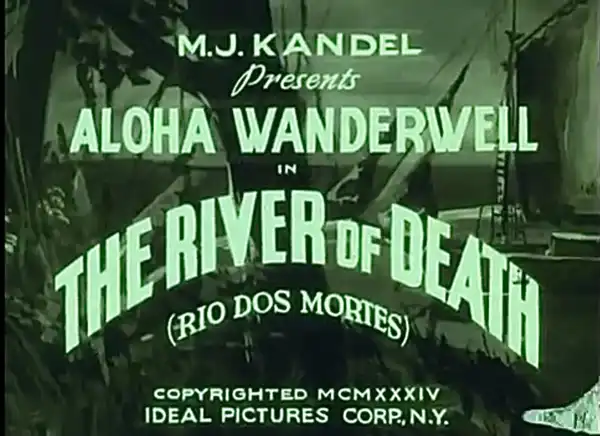
If you have a soft spot for the kind of footage that looks like it was hauled out of a damp basement, then yes. It is not for the person who needs a clean, three-act structure or high-definition clarity. This is for the curious, the people who want to see what travel looked like before it was curated for social media feeds.
Aloha Wanderwell isn't just filming a trip; she's surviving it. There are moments where the camera just... stays there. It stares at the riverbank while you wait for something to happen. It feels weirdly honest.
There is a specific kind of grain on this film that makes the humidity feel real. You can practically smell the wet leaves and the old motor oil. It reminds me a bit of the frantic, uneven energy in A Man's Land, where the story takes a backseat to the sheer act of being there.
Sometimes, the editing jumps so abruptly you think you missed a reel. It’s disorienting, but in a way that actually works. It makes the jungle feel like an unpredictable beast. One second she is smiling for the camera, and the next, it is all shadows and jagged movement.
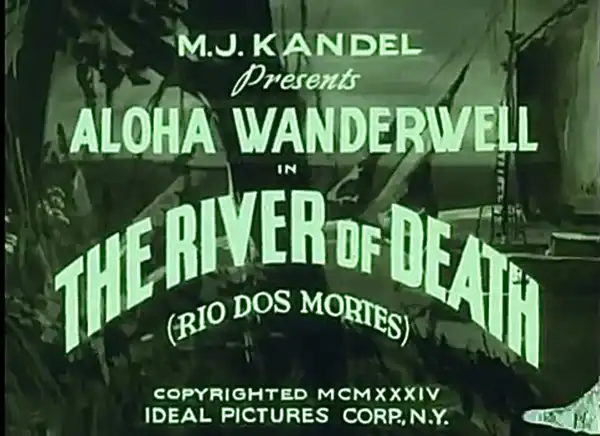
It’s funny to compare this to something like Way Out West. They are worlds apart, but both rely on that same sense of "let’s just go and see what breaks." Wanderwell has this grit to her that makes you wonder how she even kept the camera dry.
It is not a masterpiece. It is barely a movie, really. It is more of a frantic, beautiful, and occasionally boring document of a time that doesn't exist anymore. 🛶
Sometimes it feels like she’s trying to convince herself the danger isn't real. You see the smile, but the hands holding the camera are shaking. I don't know, maybe I'm overthinking it. It’s just a trip down a river.
Don't expect answers. Don't expect a narrator to tell you how to feel. Just watch the water move. It’s enough.
IMDb 1.2
1934
Community
Log in to comment.