DbcultAccessing Vault...
Cult Review
Senior Film Conservator
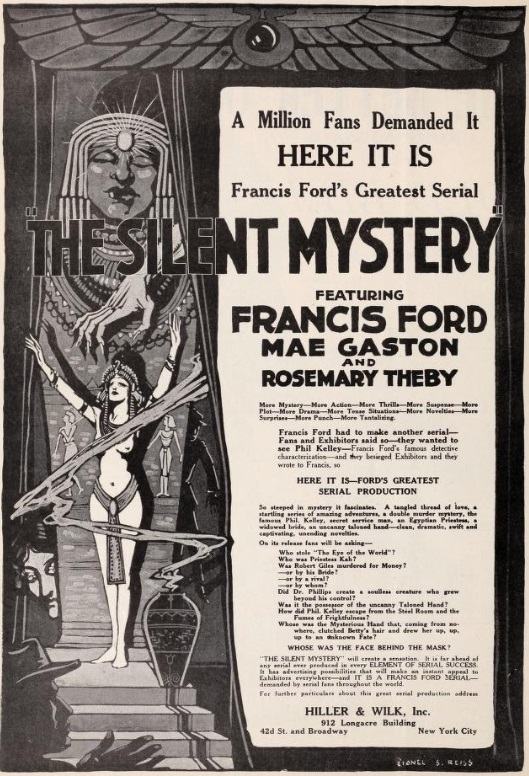
In the annals of early cinema, where narratives often grappled with the nascent language of film, certain productions stand out for their ambition, their thematic resonance, and their sheer narrative audacity. Elsie Van Name's The Silent Mystery is precisely such a film, a cinematic artifact that, even a century later, continues to captivate with its intricate plotting and surprisingly modern sensibilities. It's a journey that commences in the hallowed, dust-laden chambers of an Egyptian tomb and spirals into the shadowy drawing-rooms and clandestine corners of American society, weaving together threads of ancient curses, familial sacrifice, and a perplexing murder most foul.
At its core, The Silent Mystery is a potent exploration of avarice and its far-reaching consequences. The inciting incident – the brazen theft of 'The Eye of the World' by Mrs. Graham – is not merely an act of larceny; it is a sacrilege. This isn't just a jewel; it's a repository of history, a symbol of power, and, as the narrative soon reveals, a conduit for an ancient, unforgiving justice. Mrs. Graham's motivations, though rooted in a desperate attempt to secure a loan, quickly become overshadowed by the cosmic imbalance her actions unleash. Her transgression sets in motion a chain of events that will ensnare not only herself but also her innocent daughter, Betty, and a host of other unsuspecting souls.
The film truly distinguishes itself with the character of Kah, the Egyptian priestess. She is not merely an antagonist but a force of nature, a living embodiment of ancient law and spiritual retribution. Her pursuit of Mrs. Graham and the stolen gem is relentless, devoid of personal malice, yet imbued with an unwavering sense of duty. In an era where portrayals of non-Western cultures often veered into caricature, Kah emerges as a figure of quiet dignity and formidable resolve. Her presence introduces a fascinating cultural clash, pitting the pragmatic, financially driven world of America against the mystical, tradition-bound world of ancient Egypt. This thematic tension elevates The Silent Mystery beyond a simple crime caper, imbuing it with a sense of cosmic consequence rarely seen in films of its time. One might draw parallels to the powerful, almost fated, pursuit of justice seen in films like The Deep Purple, where moral transgressions often lead to inescapable reckoning, though The Silent Mystery grounds its pursuit in a more mystical, ancient framework.
Parallel to the international pursuit of the jewel, a domestic drama unfolds with Betty, Mrs. Graham's daughter. Betty's decision to marry for money, a common trope in early melodramas, takes on a poignant urgency here, as her sacrifice is directly linked to her father's failing business – a consequence, perhaps, of the same materialistic pressures that drove her mother to theft. This intertwining of personal tragedy with a larger, more mystical conflict is a testament to Elsie Van Name's thoughtful script. The wedding night murder of the bridegroom, followed by the inexplicable disappearance of his body, injects a classic mystery element into the unfolding drama, shifting the film's tone from a chase thriller to a perplexing whodunit. This sudden, shocking twist demands the attention of the astute Phil Kelly, whose involvement signals the transition into a more conventional, yet no less compelling, detective narrative.
The abruptness of the murder and the subsequent vanishing act are masterfully handled, creating a palpable sense of unease and setting the stage for a convoluted investigation. It’s a narrative device that keeps the audience on the edge of their seats, much like the intricate plot developments in films such as The Black Night, which also relied on a series of escalating mysteries to maintain suspense. The film cleverly uses these elements to explore themes of appearances versus reality, and the often-deceptive nature of human motivations. Betty, caught in the maelstrom, embodies the tragic figure of a woman forced to make impossible choices, a theme echoed in other contemporary films like The Woman Who Gave, where female characters often bore the brunt of societal or familial pressures.
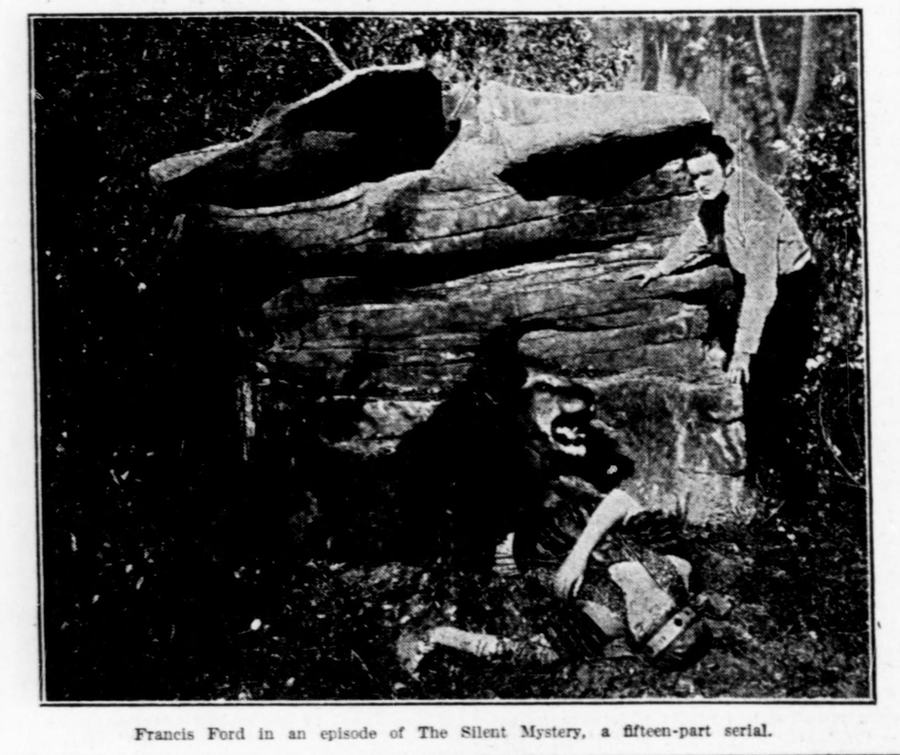
The cast, featuring names like Elsie Van Name herself (who not only penned the script but also took on a prominent role), Peter Gerald, Philip Ford, and Rosemary Theby, delivers performances that, while perhaps constrained by the theatrical acting styles of the era, effectively convey the emotional weight of their characters. Elsie Van Name's dual contribution as writer and actor is particularly noteworthy. Her script is remarkably well-structured, balancing multiple storylines with a keen sense of pacing. The characters, though archetypal in some respects, are given enough depth to resonate. Phil Kelly, portrayed with a quiet intensity, serves as the audience's surrogate, piecing together the disparate clues with methodical precision. The dynamic between the characters, particularly the underlying tension and desperation, is palpable, a testament to the direction and the actors' commitment.
Van Name's writing showcases a nascent understanding of genre blending, seamlessly transitioning from an adventure narrative to a domestic drama, and then into a full-blown murder mystery. This versatility is a hallmark of her creative vision, distinguishing The Silent Mystery from more straightforward melodramas or thrillers. Her ability to weave together a narrative that feels both epic in scope (with the Egyptian curse) and intimately personal (with Betty's sacrifice) is commendable. It's a complexity that anticipates later, more sophisticated screenplays, and firmly plants the film as an important piece of early cinematic storytelling. Much like the intricate character studies in Idle Wives or the moral quandaries presented in Thou Shalt Not Covet, Van Name's script delves into the human condition with a surprising degree of nuance for its time.
Visually, The Silent Mystery makes effective use of its settings. The brief but evocative glimpses of Egypt, though likely achieved through limited studio sets and stock footage, successfully establish the exotic and ancient backdrop. The contrast with the more mundane, yet often shadowy, American locales amplifies the sense of displacement and the collision of worlds. The cinematography, typical of the era, relies on clear, functional compositions, but there are moments of striking imagery, particularly in scenes involving Kah, where her presence is often framed to emphasize her otherworldly determination. The use of light and shadow, while not as expressionistic as later films, effectively builds suspense and underscores the hidden dangers lurking beneath the surface of polite society. This atmospheric construction is crucial in maintaining the film's mysterious aura, a quality shared with other compelling mysteries of the period, such as The Law Decides, which also used visual cues to heighten dramatic tension.
The film's pacing, while perhaps deliberate by modern standards, allows the narrative twists to breathe, giving the audience time to absorb the implications of each new revelation. The silent format, far from being a limitation, forces a reliance on visual storytelling and the expressive power of the actors, which the cast generally manages with aplomb. The intertitles, carefully crafted by Elsie Van Name, serve to propel the plot forward and provide necessary exposition, often with a poetic flair that enhances the film's overall mystique. This careful balance between visual narrative and textual explanation ensures that the complex plot remains comprehensible and engaging throughout its runtime.
In conclusion, The Silent Mystery is far more than a mere historical curiosity. It is a robust, multifaceted narrative that deftly combines elements of adventure, melodrama, and detective fiction. Elsie Van Name's vision, both as a writer and an actor, shines through, crafting a story that explores universal themes of greed, sacrifice, and the enduring power of justice, whether human or supernatural. Its ability to seamlessly blend disparate genres – the exotic adventure, the domestic drama, the murder mystery – is a testament to its forward-thinking construction. The film's ambitious scope, from ancient Egyptian curses to modern American crime, makes it a fascinating case study in early cinematic storytelling.
For enthusiasts of classic cinema, or indeed anyone with an appreciation for well-crafted mystery, The Silent Mystery offers a rewarding viewing experience. It reminds us that even in the nascent years of film, storytellers were pushing boundaries, experimenting with complex narratives, and creating works that continue to resonate. Its intricate plot, memorable characters, and thematic depth ensure its place as a significant, if often overlooked, contribution to the silent era's rich tapestry. It stands as a testament to the power of a compelling story, proving that some mysteries, even after a century, retain their captivating allure. Much like the enduring power of moral tales in films such as Innocent or the dramatic tension of Nearly a Lady, The Silent Mystery offers a window into the narrative sophistication of early 20th-century filmmaking.
IMDb 5.2
1929
Community
Log in to comment.