DbcultAccessing Vault...
Cult Review
Senior Film Conservator
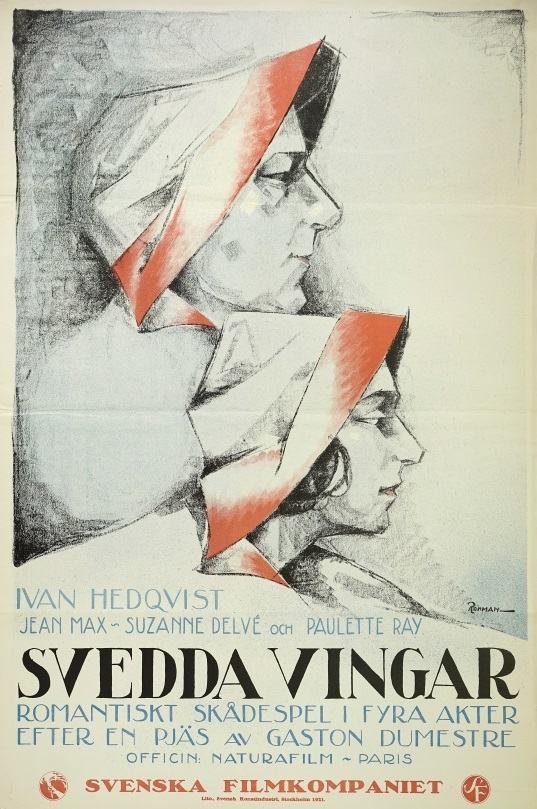
Stepping into the cinematic world of 'Rose de Nice' is akin to unearthing a forgotten treasure from the golden age of French silent cinema. Gaston Dumestre, the visionary writer behind this evocative melodrama, crafts a narrative that, even a century later, resonates with a profound understanding of human desire, societal pressures, and the often-conflicting pulls of ambition and authentic affection. It’s a film that, despite its vintage, speaks with an arresting clarity about the choices that define a life, particularly for a woman navigating a world both dazzlingly beautiful and inherently restrictive. The very title itself, 'Rose de Nice,' evokes an immediate duality: the delicate beauty of a bloom, symbolizing fragility and purity, inextricably linked to the vibrant, yet perhaps superficial, allure of the French Riviera.
At the heart of Dumestre's intricate plot lies Rose, portrayed with an exquisite blend of vulnerability and nascent strength by Paulette Ray. Rose is not merely a muse; she is an artist in her own right, her canvases alive with the sun-drenched hues and undulating rhythms of Nice. Her talent, raw and undeniable, is her passport to a world beyond her humble origins. Ray embodies this artistic fervor with a captivating grace, her expressions conveying volumes without a single spoken word – a testament to the power of silent film acting. Her Rose is a character of profound interiority, a soul yearning for recognition yet deeply rooted in the simple, honest beauty of her surroundings.
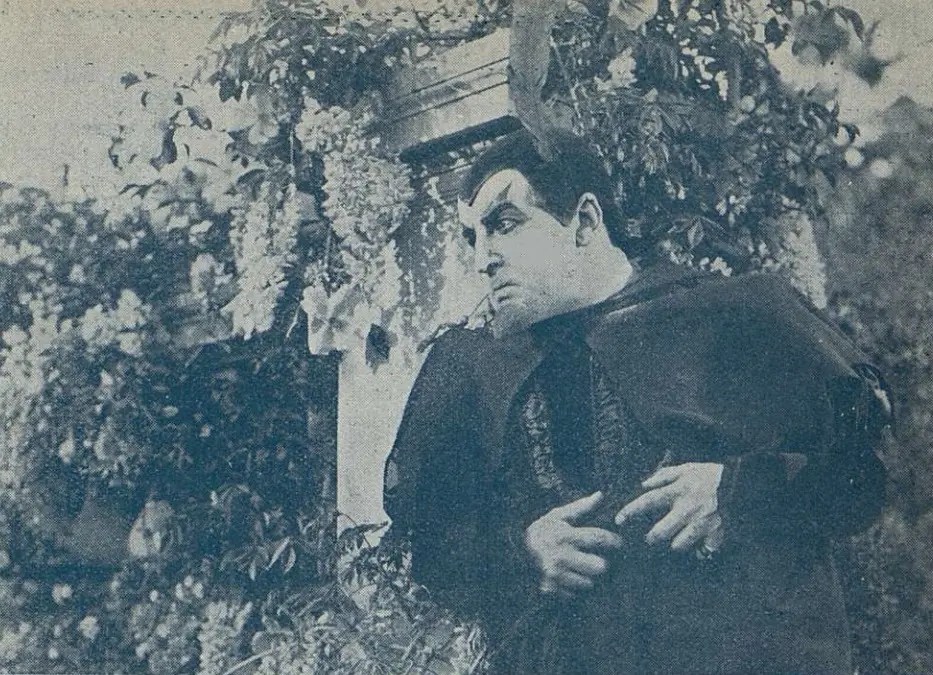
Her artistic blossoming, however, draws the attention of Monsieur Dubois, a character brought to life with a compelling, almost predatory charm by Ivan Hedqvist. Hedqvist’s Dubois is a master of subtle manipulation, his gestures and gaze conveying a sophisticated allure that masks a deeper, more controlling nature. He represents the glittering, yet ultimately transactional, world of high art and societal influence. His offers of patronage are seductive, promising Rose the very recognition she craves, but at an unspoken cost: her artistic independence, perhaps even her very essence. The film masterfully paints Dubois as a figure of ambiguous morality, a man whose benevolence is always shadowed by self-interest. His interactions with Rose are a delicate dance of power, a constant push and pull between genuine appreciation for her talent and a desire to possess and shape it to his own ends. This dynamic provides much of the central dramatic tension, forcing Rose to continually assess the true price of her aspirations.
Contrasting sharply with Dubois’s polished artifice is Jean-Max, portrayed by Jean-Max himself with an earnest passion that cuts through the societal veneer. Jean-Max is the salt of the earth, a fisherman whose connection to the sea mirrors his deep, uncomplicated love for Rose. Their romance is depicted with a tender authenticity, a refuge from the calculating world Rose finds herself increasingly drawn into. Jean-Max's love is not about what Rose can become for him, but about who she already is. His struggles are real, his emotions raw, providing a grounding counterpoint to the ethereal promises of Dubois. The scenes between Rose and Jean-Max are imbued with a genuine warmth, a visceral sense of connection that makes their eventual separation, or the threat of it, all the more heartbreaking. Their relationship explores the enduring question of whether true love can survive the intoxicating pull of ambition and external pressures.
No melodrama of this era would be complete without a formidable societal antagonist, and Renée Carl steps into this role with commanding presence as Madame D’Angers. Carl, known for her powerful portrayals, imbues Madame D’Angers with a cold elegance and a sharp, calculating mind. She is the embodiment of rigid social order, a gatekeeper who views Rose’s ascent with a mixture of suspicion and strategic manipulation. Her character serves as a constant reminder of the class divide and the inherent challenges faced by those attempting to transcend their station. Madame D’Angers’s subtle machinations, often cloaked in polite concern, are pivotal in creating obstacles for Rose, further complicating her choices and testing her resolve. One might draw parallels between the societal pressures exerted here and the grand historical dramas of the era, such as Madame Du Barry, where personal desires are often crushed under the weight of political and social expectations.
The supporting cast further enriches this complex tapestry. Thérèse Kolb, as Rose's steadfast confidante or perhaps a weary older relative, offers a quiet dignity and a voice of cautious wisdom amidst the swirling drama. Her presence provides a moral compass, a grounding force for Rose when the allure of fame threatens to overwhelm her. Gaston Rieffler, possibly in a role that adds comic relief or a touch of everyday realism, acts as a foil to the more dramatic elements, reminding us of the mundane world that continues outside the central romantic conflicts. Suzanne Delvé, perhaps as a rival artist or a socialite whose life Rose could emulate (or reject), provides another layer to the societal landscape, showcasing the various paths a woman could take in that era.
Dumestre’s direction, while typical of the silent era in its reliance on expressive acting and title cards, demonstrates a keen eye for visual storytelling. The setting of Nice itself is a character, captured with a painterly quality that mirrors Rose's own artistic sensibilities. The azure expanse of the Mediterranean, the bustling flower markets, the opulent villas contrasting with the humble fishing boats – all contribute to the film's rich atmosphere. One can imagine sweeping long shots showcasing the beauty of the Riviera, juxtaposed with intimate close-ups of Rose’s face, her eyes conveying the turmoil within. The use of natural light, a hallmark of early cinema, would have been particularly effective in capturing the unique luminosity of the region, emphasizing both its charm and its potential for superficiality. This visual elegance, a subtle character in itself, elevates 'Rose de Nice' beyond a simple romance into a meditation on environment and destiny.
The narrative pacing is deliberate, allowing the emotional arcs of the characters to fully develop. Dumestre understood that silent film thrives on nuance and extended moments of contemplation, giving the audience time to absorb the emotional weight of each scene. The transitions between Rose's two worlds – the bohemian artistic life with Jean-Max and the grand, sometimes suffocating, world of Dubois – are handled with a fluidity that underscores her internal conflict. The symbolism of the 'rose' is never overplayed, yet it permeates the film: representing Rose's delicate beauty, her blossoming talent, and perhaps the thorns of her difficult choices. The film's structural integrity, a testament to Dumestre's writing, ensures that every character, every setting, and every plot twist serves to deepen the central dilemma.
'Rose de Nice' delves into universal themes that transcend its historical context. The clash between artistic integrity and commercial success is a timeless struggle, one that artists continue to grapple with today. Rose's journey is a poignant exploration of how external validation can corrupt internal truth. Is true art possible when dictated by the whims of a patron, or does it require absolute freedom, even at the cost of material comfort? This question is posed with a delicate hand, allowing the audience to ponder the ethical implications of such choices.
Love, in its varied forms, is another central pillar. The film juxtaposes the passionate, unadulterated love of Jean-Max with the more calculated, possessive affection of Dubois. Rose’s predicament forces her to weigh the value of comfort and fame against the profound connection of the heart. This emotional triangulation creates a powerful emotional core, reminiscent of other melodramas where characters are torn between seemingly irreconcilable desires, much like the intense emotional conflicts seen in The Craving or The Curse of Eve, where personal happiness often comes at a steep price.
The film also subtly critiques societal expectations placed upon women in the early 20th century. Rose is not just an artist; she is a woman navigating a patriarchal society where her choices are often dictated by men, whether through offers of patronage or declarations of love. Her struggle for agency is palpable, making her a proto-feminist figure in her quiet defiance and pursuit of self-determination. Her internal battle for identity, not just as an artist but as an autonomous woman, resonates with the struggles depicted in films like The Woman Under Cover or Greater Than Fame, where female protagonists often fought against formidable odds to carve out their own paths.
The denouement of 'Rose de Nice' is not one of simple resolution. True to the spirit of classic melodrama, it offers a bittersweet conclusion, leaving the audience to ponder the lasting impact of Rose’s choices. Does she achieve true happiness? Or does she make a sacrifice that, while perhaps necessary, leaves an indelible mark on her soul? The film avoids easy answers, instead opting for a nuanced portrayal of life’s complexities. This refusal to offer a fairy-tale ending is precisely what gives 'Rose de Nice' its enduring power and poignancy. It is a film that understands that triumph often comes hand-in-hand with loss, and that the most profound victories are often internal rather than external.
In its exploration of human nature, 'Rose de Nice' stands as a testament to the evocative storytelling capabilities of early cinema. Gaston Dumestre's screenplay, brought to life by a talented ensemble cast, crafts a world that is at once specific to its time and place, yet universal in its emotional resonance. The performances by Paulette Ray, Jean-Max, Ivan Hedqvist, and Renée Carl are masterclasses in silent acting, their nuanced portrayals carrying the weight of the narrative with remarkable conviction. The film's aesthetic beauty, from the sun-drenched landscapes of Nice to the opulent interiors of Dubois’s world, contributes significantly to its immersive quality. It reminds us that even without spoken dialogue, cinema possesses an extraordinary capacity to move, provoke, and inspire. Much like the profound human drama found in films such as The World Apart or Troen, der frelser, 'Rose de Nice' explores the deep chasms that can exist between individuals and the societal forces that shape their destinies.
For cinephiles and casual viewers alike, 'Rose de Nice' offers a compelling journey into the heart of early 20th-century French melodrama. It is a film that demands to be watched, not just for its historical significance, but for its timeless exploration of art, love, and the choices that define us. The lingering images of Rose, caught between two worlds, two loves, and two destinies, remain long after the final frame, solidifying its place as a poignant and thought-provoking piece of cinematic art. Its subtle power and rich character development distinguish it, making it a film that, like a rare bloom, continues to captivate and enchant those fortunate enough to discover it. Its narrative depth and emotional impact rival the grandiosity seen in epics like Napoleon und die kleine Wäscherin, albeit on a more personal, intimate scale, proving that profound drama doesn't always require armies and empires, but merely the human heart.
IMDb 7
1931
Community
Log in to comment.