DbcultAccessing Vault...
Cult Review
Senior Film Conservator
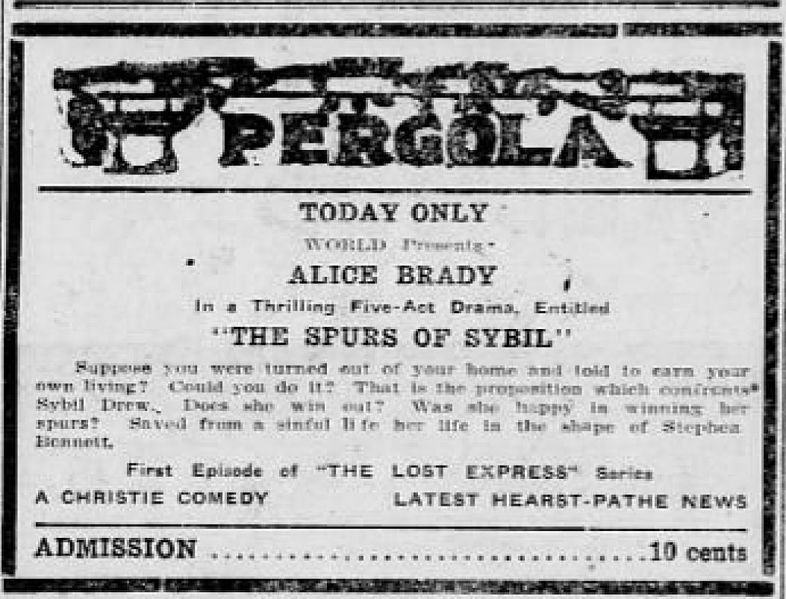
When the curtain rises on *The Spurs of Sybil*, the air crackles with the tension of a society poised to devour its own. Louise Winter’s 1920s drama is less a story of triumph than a study in the corrosive power of assumptions—a film where every glance, every misplaced document, and every shattered windowpane becomes a symbol of human fallibility. At its core, it’s Sybil Drew’s journey that anchors this narrative, a woman whose $125 and unyielding will must outpace both the cold calculus of New York’s elite and the self-inflicted wounds of those she meets along the way.
Iseth Munro, as Sybil, is a revelation. Her performance—subtle, electric—captures the duality of a woman simultaneously performative and authentic. When she registers at the Plaza Hotel, her faltering smile is a masterclass in nonverbal storytelling. It’s here that Dr. Ross Alger (John Davidson), a man whose rigid demeanor masks a simmering vulnerability, first sees her. Davidson’s portrayal of Ross is a study in contrasts: his initial suspicion of Sybil—rooted in her inability to project the polish of her social class—clashes with the magnetic pull of her resilience. Winter crafts their dynamic with surgical precision, layering their interactions with glances that oscillate between suspicion and desire. The Plaza Hotel, with its marble floors and shadowed corners, becomes a character itself—a gilded cage where truth and illusion blur.
The film’s second act pivots on Oleander Berwick (Alice Brady), a woman whose eccentricity masks a profound understanding of power. Brady’s performance is a tour de force. Her Berwick, with her moth-eaten gowns and cryptic proverbs, is a paradox: a recluse who curates chaos. Sybil’s role as her companion is both a lifeline and a trap. Berwick’s apartment, a museum of forgotten artifacts and half-finished paintings, becomes a microcosm of Sybil’s fractured identity. When Paul Berwick (Herbert Barrington) enters the fray, his predatory charm—a blend of honeyed words and calculated threats—raises the stakes. The scene where he attempts to seduce Sybil is a masterstroke of silent film acting: Barrington’s slow, deliberate movements and the stifled tremors in Munro’s hands convey a silent war of wills.
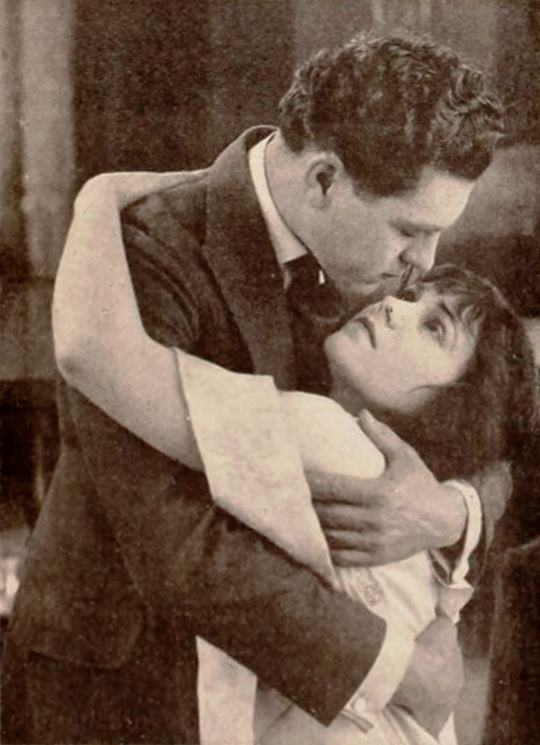
Winter’s script excels in its use of misdirection. Ross’s mistaken belief that Sybil is a thief is not a mere plot device but a mirror reflecting the era’s paranoia about class mobility. His investigation—fraught with circumstantial evidence and moral blindness—echoes the broader societal tendency to criminalize those who defy social hierarchies. The taxi accident, a pivotal moment of physical and metaphorical collapse, strips Sybil to her rawest form. Her mistaken identity as a patient of Mrs. Alva Penfield (Eugenie Woodward) is both farcical and tragic. Penfield’s gambling den, with its velvet curtains and clattering dice, is a grotesque parody of the American Dream—a place where the desperate and the depraved rub shoulders in a haze of smoke and desperation.
The film’s climax, where Ross rescues Sybil and confesses his error, is a study in emotional crescendo. The proposal scene, shot in stark close-ups, strips away the film’s earlier theatricality. Winter’s direction here is unflinching: the resolution feels earned not through contrivance but through the cumulative weight of Sybil’s trials. The final shot of Sybil walking away from the Plaza Hotel, her shadow stretching across the sidewalk, is a haunting reminder of the cost of survival in a world that values appearance over authenticity.
Technically, *The Spurs of Sybil* is a marvel. The cinematography—particularly the use of high-contrast lighting in Berwick’s apartment and the smoky haze of Penfield’s den—elevates the narrative. The score, a blend of waltz melodies and discordant strings, underscores the tension between order and chaos. Yet it’s the supporting cast that steals the show. John Bowers, as a beleaguered hotel clerk, and Richard Clarke, as a taxi driver with a tragic past, add texture to a film that thrives on complexity.
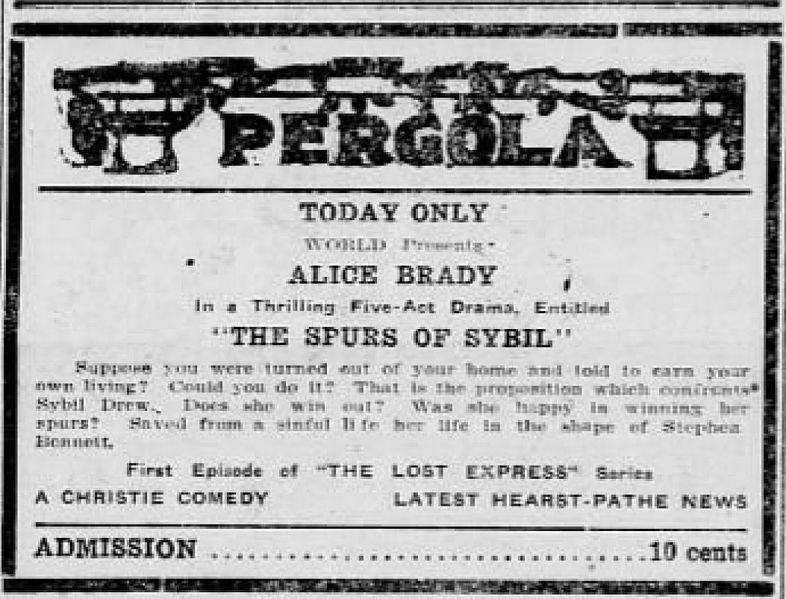
Comparisons to other films of the era are inevitable. Like *The Target*, it explores moral ambiguity in urban settings, but Winter’s focus on social stratification sets it apart. The film’s tone echoes *Blackbirds* in its use of mistaken identity but diverges in its unflinching portrayal of class struggle. For fans of *The Heart of Romance*, the romantic tension here is more fraught, the outcomes less saccharine. These parallels highlight *The Spurs of Sybil* not as a derivative work but as a bold, self-aware commentary on the American psyche.
In an age where streaming platforms prioritize reboots and remakes, *The Spurs of Sybil* serves as a reminder of cinema’s power to dissect the human condition. Winter’s script, with its intricate plotting and rich character work, demands multiple viewings. It’s a film that rewards attention to detail—the way Sybil’s attire shifts from frayed to fashionable, the subtle decay in Berwick’s belongings, the way Ross’s posture stiffens when his pride is wounded.
If there’s a flaw, it’s that the film’s pacing occasionally falters in its third act. The resolution of Sybil’s inheritance dispute feels rushed, as if Winter had more stories to tell but only so much time. Yet even this can be seen as a reflection of the film’s central theme: the idea that some journeys are never truly complete, only interrupted by the next challenge.
For modern audiences, *The Spurs of Sybil* is a time capsule and a mirror. It captures the glittering anxiety of the 1920s while speaking to timeless questions of identity and integrity. As Sybil steps into the unknown, her story lingers—a testament to the idea that survival is not just about enduring hardship but about redefining what it means to be seen.

IMDb 6.3
1936
Community
Log in to comment.