DbcultAccessing Vault...
Cult Review
Senior Film Conservator
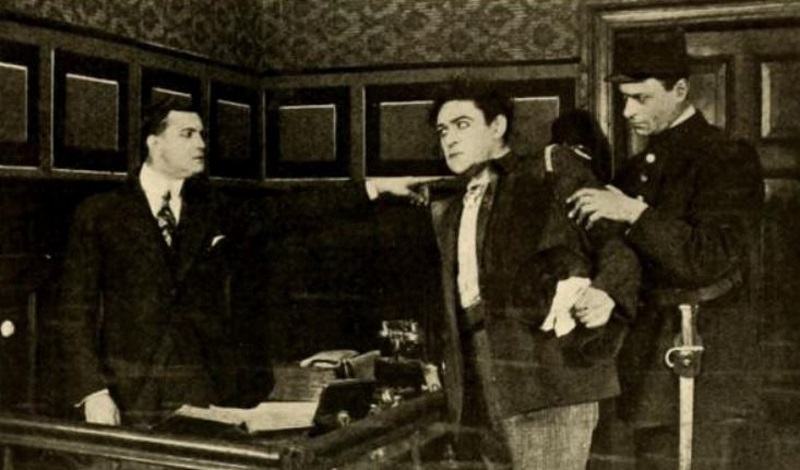
Step into the shadowy corridors of early cinema, where narratives often grappled with the grandest human dilemmas, and you'll find a gem like The Lure of Millions. This film, a fascinating relic from an era of nascent storytelling, doesn't merely present a plot; it unfolds a psychological tapestry woven with threads of desperation, moral reckoning, and the elusive pursuit of contentment. It’s a powerful exploration of how societal pressures, personal choices, and the seductive, often destructive, nature of wealth can twist the human spirit. More than a century after its inception, its central themes resonate with an unnerving contemporary relevance, prompting us to question the very foundations of our own happiness and the price we are willing to pay for it.
Our journey begins with Von Muller, a character whose very existence seems defined by the superficial glitter of high society. A fixture of the fashionable Jockey Club, he embodies the indolence and entitlement often associated with unearned privilege. Yet, beneath this veneer of sophistication lies a man teetering on the brink of ruin. His gambling debts, specifically a colossal I.O.U. to the formidable Lang, have stripped him bare, leaving him with nothing but the chilling prospect of financial and social annihilation. The film masterfully sets this scene of impending doom, painting a portrait of a man trapped by his own excesses, his world crumbling around him. The initial contemplation of suicide isn't merely a dramatic flourish; it’s a stark illustration of the profound despair that can accompany the loss of one's entire fortune, especially when one's identity is so inextricably linked to it. This isn't just about money; it's about the erosion of self-worth, the shattering of a carefully constructed facade.
The arrival of an invitation to a masquerade ball, from none other than the millionaire Franz Oberman, introduces a crucial twist of fate. It’s a moment of ironic contrast: Von Muller, financially bankrupt, dons the costume of a beggar, a prophetic choice that underscores his true predicament. The ball itself, a scene of opulent revelry, serves as a stark backdrop to his internal turmoil. The note from Lang, reminding him of his impending obligation, acts as a cruel, perfectly timed hammer blow, driving him once more to the brink. It’s in this moment of ultimate desperation, poised to end his life in the quiet solitude of a conservatory, that Oberman, the host, emerges. This intervention is not just a rescue; it's the catalyst for the film's central, audacious proposition.
Oberman, despite his immense wealth, confesses a profound unhappiness, a spiritual emptiness that money cannot fill. This revelation is central to the film's philosophical inquiry. It challenges the prevailing notion that material prosperity equates to fulfillment, a theme that resonates even today. He proposes an extraordinary compact: he will divest himself of his entire fortune, embracing poverty to seek genuine happiness, with Von Muller as his witness and, perhaps, his executioner. If Oberman fails to find contentment as a pauper, both men are bound to a shared, fatal destiny. Von Muller, with literally nothing left to lose, agrees to this macabre bargain. This agreement isn't merely a plot device; it's a profound psychological experiment, a Faustian pact designed to test the very essence of human resilience and the true source of joy.
Oberman's subsequent journey into the world as a poor man is both enlightening and devastating. He finds employment in a wholesale warehouse, a stark contrast to his former life of leisure. Here, amidst the mundane realities of labor, he discovers a different kind of fulfillment. His ascent to foreman status speaks to an inherent capability, perhaps stifled by his previous life of idleness. More significantly, he finds love with his landlady's daughter, a pure, unadulterated affection untainted by his former wealth. This period represents the film’s hopeful interlude, a testament to the idea that happiness can indeed be found in simplicity and genuine human connection. One might compare this unexpected turn to the transformative experiences depicted in films like Loyalty, where characters often find their true selves through adversity and commitment to a cause or person.
However, this nascent happiness is brutally snatched away. A careless accident—a dropped match—ignites the warehouse, trapping Oberman in a fiery inferno. His heroic struggle, culminating in a fall and a subsequent rescue, comes at a terrible cost: the amputation of his right arm. This sudden, debilitating injury transforms his life once more, plunging him back into despair. The world, which had briefly offered him solace, now turns its back. No one will employ a one-armed man. This segment of the film is a poignant commentary on society’s callous indifference to the disabled, a harsh reality that often renders individuals invisible and unemployable. His despair reaches new depths, mirroring Von Muller's earlier suicidal ideation, but this time, it is compounded by physical brokenness and the loss of love.
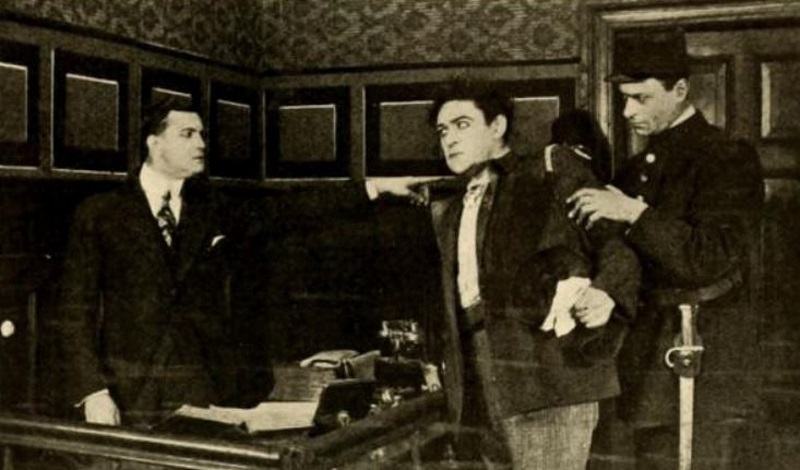
Remembering his solemn compact with Von Muller, Oberman resolves to enforce its terms, believing he has failed in his quest for happiness. His subsequent hunt for Von Muller is a relentless, almost spectral pursuit. He discovers that Von Muller, having sold the mansion and married, has seemingly escaped his past. The film builds suspense through Oberman's arduous journey, his physical suffering mirroring his psychological torment. His arrest as a suspicious character, seeking shelter in a cheap lodging house, is a stark reminder of his fallen status. The dramatic irony of his appearance before a Justice of the Peace, who turns out to be none other than Von Muller, is a masterful stroke of narrative design. The tables have turned, and the hunter has found his prey.
Von Muller's plea, offering money to Oberman, highlights his newfound prosperity and perhaps a genuine desire to atone, or at least to escape the terms of their dreadful agreement. But Oberman, consumed by his perceived failure and the memory of his suffering, is unyielding. Von Muller's desperate act of summoning an officer and having Oberman imprisoned is a temporary reprieve, a futile attempt to outrun the inevitable. His subsequent actions—writing to other justices, enclosing 500 francs for Oberman, and fleeing abroad with his wife—reveal a man still attempting to buy his way out of responsibility, though perhaps with a glimmer of conscience. This segment of the film is a fascinating study in moral cowardice and the desperate measures individuals take to avoid facing the consequences of their pacts, whether literal or metaphorical. It echoes the intense psychological pressure seen in stories of inescapable fate, like perhaps the darker undertones of The Strangler's Grip, where characters are caught in a web they cannot escape.
The climax aboard the steamer is a breathtaking sequence of high drama. Oberman, a figure of vengeance and despair, tracks Von Muller to his stateroom. Lowering himself to the porthole, he confronts the sleeping man with a revolver, demanding the fulfillment of their covenant. The terror-stricken Von Muller, faced with an inescapable choice, points a revolver at his own head and fires. Oberman, with a chilling grin of satisfaction, then drops his pistol and, with a knife between his teeth, saws at the rope that holds him, plunging into the raging waters below. This double suicide, a macabre ballet of despair, seems to be the tragic culmination of their pact, a testament to the destructive power of promises made in desperation.
However, the film delivers its most profound twist in the final scene. Von Muller awakens in his room at the Jockey Club, passing a hand over his forehead, realizing with a jolt that the entire harrowing ordeal was nothing more than a vivid, terrifying dream. This revelation doesn't diminish the narrative; instead, it elevates it. The dream is not an escape from consequences but a profound moral awakening. It is a powerful, visceral premonition of the path his current life of debt and despair could lead him down. The experience, though unreal, is deeply transformative. He resigns from the club, symbolically shedding his old life and its temptations, and resolves to start anew. This ending is a stroke of genius, turning a potentially bleak tragedy into a powerful narrative of redemption and self-awareness. It's a psychological drama that uses the dream state to explore the depths of guilt, fear, and the profound human capacity for change.
The brilliance of The Lure of Millions lies not just in its dramatic plot but in its astute psychological insights. It taps into universal anxieties about financial ruin, the deceptive allure of wealth, and the search for genuine happiness. The character of Von Muller, initially portrayed as a victim of circumstance, undergoes a profound internal transformation through the crucible of his nightmare. The dream itself serves as a powerful narrative device, allowing the film to explore extreme scenarios and their emotional toll without committing to a literal, irreversible tragedy. This is a film that, despite its age, speaks volumes about the human condition. It asks us to consider what truly matters, what constitutes a life well-lived, and whether the pursuit of fortune is ultimately a path to fulfillment or despair.
From a stylistic perspective, while we lack specific details on its original presentation, one can infer the film's reliance on the expressive acting typical of the silent era—grand gestures, exaggerated facial expressions, and compelling intertitles to convey the story's emotional weight and complex philosophical underpinnings. The use of dramatic irony, the gradual escalation of Oberman's suffering, and the relentless pace of his pursuit would have held audiences spellbound. The final dream revelation, a common trope in early cinema, is executed here with particular effectiveness, transforming the entire preceding narrative into a cautionary tale of profound personal significance. It's a testament to the power of cinema, even in its nascent stages, to explore complex moral landscapes and leave a lasting impression on its viewers.
In a world obsessed with material gain, The Lure of Millions serves as a timeless reminder that true wealth lies not in bank accounts but in moral integrity, peace of mind, and the profound lessons learned from confronting one's deepest fears. It's a compelling piece of cinematic history that deserves to be rediscovered and appreciated for its enduring message and its innovative narrative structure. The film doesn't just entertain; it provokes thought, urging us to look beyond the superficial and consider the true cost of our desires.

IMDb —
1929
Community
Log in to comment.