DbcultAccessing Vault...
Cult Review
Senior Film Conservator
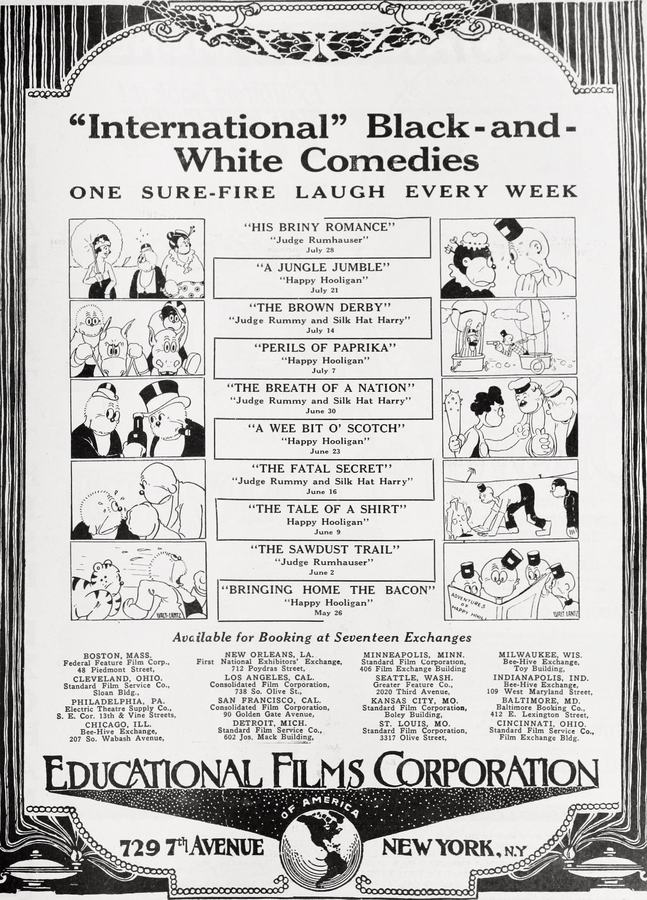
Stepping into the world of The Brown Derby is akin to unearthing a forgotten time capsule, a cinematic artifact that, despite its silent origins and the passage of a century, still resonates with a surprising vitality. This isn't just a story; it's a meticulously crafted allegory of urban existence, a testament to the capricious nature of fate and the profound, often unseen, threads that weave together disparate lives in the bustling tapestry of a burgeoning metropolis. The film, penned by the insightful Thomas A. 'Tad' Dorgan, transcends its seemingly simple premise to deliver a narrative rich in symbolic weight and humanistic observation.
At its core, the picture masterfully employs a seemingly innocuous object—a brown derby hat—as the central protagonist, a silent witness and an unwitting catalyst in the lives it touches. This is a brilliant narrative device, elevating what could have been a series of episodic vignettes into a cohesive, deeply resonant exploration of identity, aspiration, and the relentless ebb and flow of fortune. The derby isn't merely a prop; it's a character in itself, absorbing the hopes, fears, and triumphs of each individual it encounters, becoming a repository of human experience. It's a narrative approach that, while perhaps not wholly unique in the annals of cinema, is executed here with a particular grace and thematic depth that sets The Brown Derby apart.
Our journey begins with Silas Finch, a young man whose rural innocence is palpable even amidst the city's overwhelming grandeur. His brown derby, a paternal legacy, is more than just headwear; it's a tangible piece of his past, a beacon for his future, and a stark contrast to the anonymity that threatens to engulf him in the concrete canyons of New York. Dorgan’s writing, even through the lens of silent film, imbues Silas with a quiet determination, a hopeful naiveté that makes his initial struggles profoundly empathetic. The loss of his hat isn't just a minor inconvenience; it's a symbolic divestment, a moment where his connection to his roots and his future aspirations seems momentarily severed. This particular narrative beat, the loss of a cherished, symbolic item in the vastness of the city, echoes the thematic undercurrents found in other films of the era. One might draw a parallel to the struggles of protagonists in The Regeneration, where a young man's identity is forged and tested against the backdrop of an unforgiving urban landscape, albeit with a harsher, more visceral edge.
The visual storytelling, even without spoken dialogue, is remarkably articulate. The camera work, while perhaps constrained by the technological limitations of the time, is nevertheless inventive in its framing of the city, capturing both its imposing scale and its intimate, bustling details. One can almost feel the jostle of the crowds, the cacophony of street life, and the underlying pulse of a city in constant motion. The use of light and shadow, characteristic of the era, is particularly effective in delineating the emotional states of the characters and the contrasting environments they inhabit, from the harsh glare of the city streets to the softer glow of a theatrical dressing room.
The hat’s subsequent discovery by Lillian Thorne, a chorus girl whose spirit is as vibrant as her prospects are dim, introduces another layer to the film’s exploration of social stratification and the pursuit of dreams. Lily’s world is one of precarious glamour and relentless auditioning, a stark contrast to Silas’s quiet artistic endeavors. For her, the brown derby, an utterly incongruous accessory, becomes an accidental charm. It’s a beautifully subtle touch, suggesting that sometimes, the most unexpected elements can shift the balance of fortune. Her interactions, however brief, with the hat, imbue it with a different kind of energy—one of resilience, ambition, and a touch of theatrical flair. This journey through different social strata, linked by a single object, allows Dorgan to paint a broader, more nuanced portrait of society, much like how Piccadilly Jim might explore the comedic misadventures of a socialite, but The Brown Derby does so with a more poignant, less overtly farcical intent.
The film’s genius lies in its ability to humanize each encounter with the derby. Even when it falls into the hands of 'Slippery' Pete, a street-wise pickpocket, the narrative avoids caricature. Pete isn't simply a villain; he's a product of his environment, driven by the same basic human desires for security and a better life, albeit through less scrupulous means. The hat, for Pete, might not be a symbol of aspiration, but perhaps a fleeting moment of luck, a shield against the harsh realities of his existence. This refusal to paint characters in broad strokes, even supporting ones, speaks volumes about Dorgan's thoughtful approach to character development, a trait that elevates the film beyond mere melodrama.
The intricate choreography of fate, as the derby weaves its way through these disparate lives, is a masterclass in narrative construction. The near-misses, the fleeting glimpses, the moments of almost-recognition, all contribute to a mounting sense of anticipation, a quiet tension that propels the story forward. It’s a testament to the power of visual storytelling that these connections feel organic and earned, rather than contrived. The film understands that the grand narratives of life are often shaped by the smallest of coincidences, the most unassuming of objects, and the briefest of encounters.
The performances, though silent, are remarkably expressive. The actors, whose names may have largely faded into obscurity, communicate a wealth of emotion through their nuanced gestures, facial expressions, and body language. Silas's initial wide-eyed wonder, Lily's defiant optimism, and Pete's guarded cynicism are all conveyed with a clarity that transcends the absence of dialogue. It reminds one of the powerful physical acting seen in films like A Modern Musketeer, though perhaps with a less overtly athletic and more internally focused dramatic intensity. The cast brings a genuine pathos to their roles, ensuring that the audience invests emotionally in their individual journeys and, by extension, in the fate of the little brown derby.
The thematic richness of The Brown Derby extends to its exploration of the American Dream in its nascent form. For Silas, it's the dream of artistic recognition; for Lily, theatrical stardom; for Pete, mere survival and a slice of prosperity. The derby, as it travels, becomes a silent observer of these varied aspirations, a reminder that while the paths may differ, the underlying human desire for fulfillment remains constant. It’s a less grandiose, more grounded portrayal of ambition than, say, the sweeping historical romance of The Last Days of Pompeii, choosing instead to focus on the intimate struggles of ordinary people.
The film's resolution is particularly satisfying, avoiding saccharine sentimentality in favor of a more nuanced understanding of success. The return of the derby to Silas isn't just a simple recovery of property; it signifies a profound internal transformation. He doesn’t merely reclaim an object; he reclaims a sense of self, fortified by the experiences, both direct and indirect, that the hat has facilitated. The eventual convergence of Silas and Lily, their paths having been unknowingly intertwined by the hat's journey, offers a tender, hopeful conclusion, suggesting that true success often lies not just in achieving one's initial goals, but in the unexpected human connections and resilience forged along the way. This subtle romantic thread, woven into the larger fabric of the story, is handled with a delicate touch, reminiscent of the understated charm found in films like Why Not Marry, but with a more profound sense of serendipity.
The craftsmanship visible throughout The Brown Derby is a testament to the artistry of early cinema. From the evocative set designs that transport us to various corners of the city—from bustling newsstands to dimly lit back alleys and opulent theaters—to the seamless editing that keeps the narrative flowing, every element contributes to a cohesive and immersive experience. The intertitles, often a crucial narrative element in silent films, are used here with precision and wit, advancing the plot and providing insight into character thoughts without ever feeling cumbersome or overly expository. They are an integral part of Dorgan’s storytelling, much like the detailed exposition might be in a literary work, but tailored for the visual medium.
Moreover, the film's enduring appeal lies in its timeless themes. The struggle for identity in a vast, indifferent world, the pursuit of dreams against daunting odds, the serendipitous nature of human connection—these are universal narratives that transcend the specific historical context of the film's production. While the fashion and technology may be dated, the emotional core remains remarkably fresh and relevant. It’s a film that speaks to the enduring human spirit, the quiet courage required to navigate life's uncertainties, and the unexpected beauty found in the everyday. One could argue its exploration of an object's journey and its impact on varied lives is a more grounded, urban counterpart to the more fantastical adventures found in films like The Treasure of the Sea, where the 'treasure' is less tangible and more about human connection.
In conclusion, The Brown Derby is far more than a period piece; it is a thoughtful, elegantly constructed film that utilizes a deceptively simple premise to explore profound human truths. It stands as a compelling example of silent cinema's capacity for nuanced storytelling and emotional depth. Dorgan's vision, brought to life through a dedicated cast and crew, crafted a narrative that, even a century later, still prompts reflection on the intricate dance between fate and free will, and the indelible marks left by the most unassuming of objects. It’s a film that deserves to be rediscovered and celebrated, not just as a historical artifact, but as a vibrant, poignant piece of cinematic art that continues to speak to the heart of the human condition. Its quiet power makes it a compelling watch, one that lingers long after the final frame, much like the subtle impact of a perfectly chosen accessory.
IMDb 5.3
1923
Community
Log in to comment.