DbcultAccessing Vault...
Cult Review
Senior Film Conservator
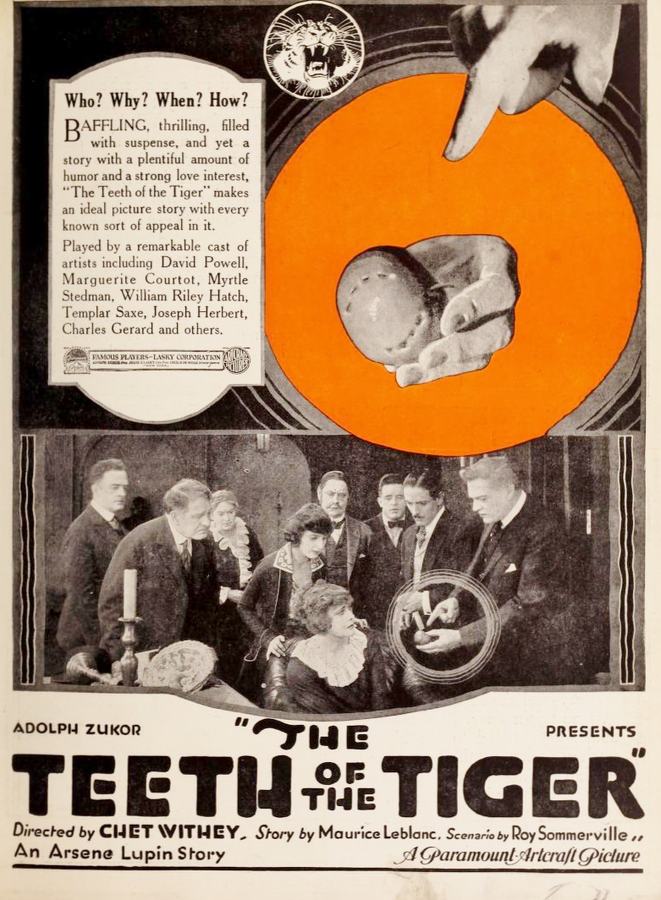
To approach The Teeth of the Tiger is to confront the cinematic birth of a literary titan. This 1919 production, a fragment of the silent era's obsession with the 'gentleman rogue,' offers a fascinating glimpse into the malleability of Maurice Leblanc’s creation. Here, we witness Arsène Lupin not as the flamboyant burglar of Parisian rooftops, but as the somber, calculated Paul Sernine. This shift in nomenclature isn't merely a plot device; it reflects a broader cultural anxiety of the post-war period, where identity was often a fluid, protective layer. Unlike the more straightforward morality found in On Record, this film leans into the shadows of deception.
The narrative architecture is built upon a foundation of domestic fragility. Henry Forbes, a man of immense wealth and physical decline, represents the old order—vulnerable and ripe for exploitation. When he is murdered under the very noses of his protectors, the film shifts from a character study into a frantic, almost claustrophobic procedural. The presence of David Powell as Sernine provides a magnetic center; his performance is characterized by a restrained kineticism, a man who moves with the predatory grace of the tiger mentioned in the title, yet remains bound by a code of honor that his adversaries cannot comprehend.
One cannot discuss this film without pivoting to its most infamous MacGuffin: the bitten apple. In an era before the ubiquity of DNA profiling, the use of dental impressions as a primary forensic link was both novel and visually arresting. The 'teeth of the tiger' refers not just to the predatory nature of the killer, but to the physical evidence that damnably points toward Marie Forbes. It is a brilliant exercise in suspense—watching the detectives compare the indentations on a piece of fruit to the jawline of a grieving widow. This level of detail elevates the film above contemporary works like The Painted World, which relied more on melodramatic tropes than logical deduction.
The introduction of the New York detective force alongside the French Jabot creates a fascinating friction. It is a clash of methodologies: the blunt force of American law enforcement versus the more intuitive, almost artistic approach of the European sleuth. This transatlantic tension adds a layer of sophistication to the script, suggesting that the pursuit of truth is often hindered by the egos of those tasked with finding it. The film excels in these moments of procedural conflict, showcasing a skepticism toward authority that feels surprisingly modern.
The physical setting of the Forbes mansion serves as a character in its own right. With its secret passageways and hidden chambers, the house is a manifestation of the secrets held by its inhabitants. As Sernine navigates these literal and figurative tunnels, the cinematography employs a chiaroscuro effect that heightens the sense of impending doom. The chase sequences through these corridors are choreographed with a frantic energy that rivals the urban kineticism of The Lure of New York. However, while that film found its rhythm in the streets, The Teeth of the Tiger finds its soul in the dark corners of the domestic interior.
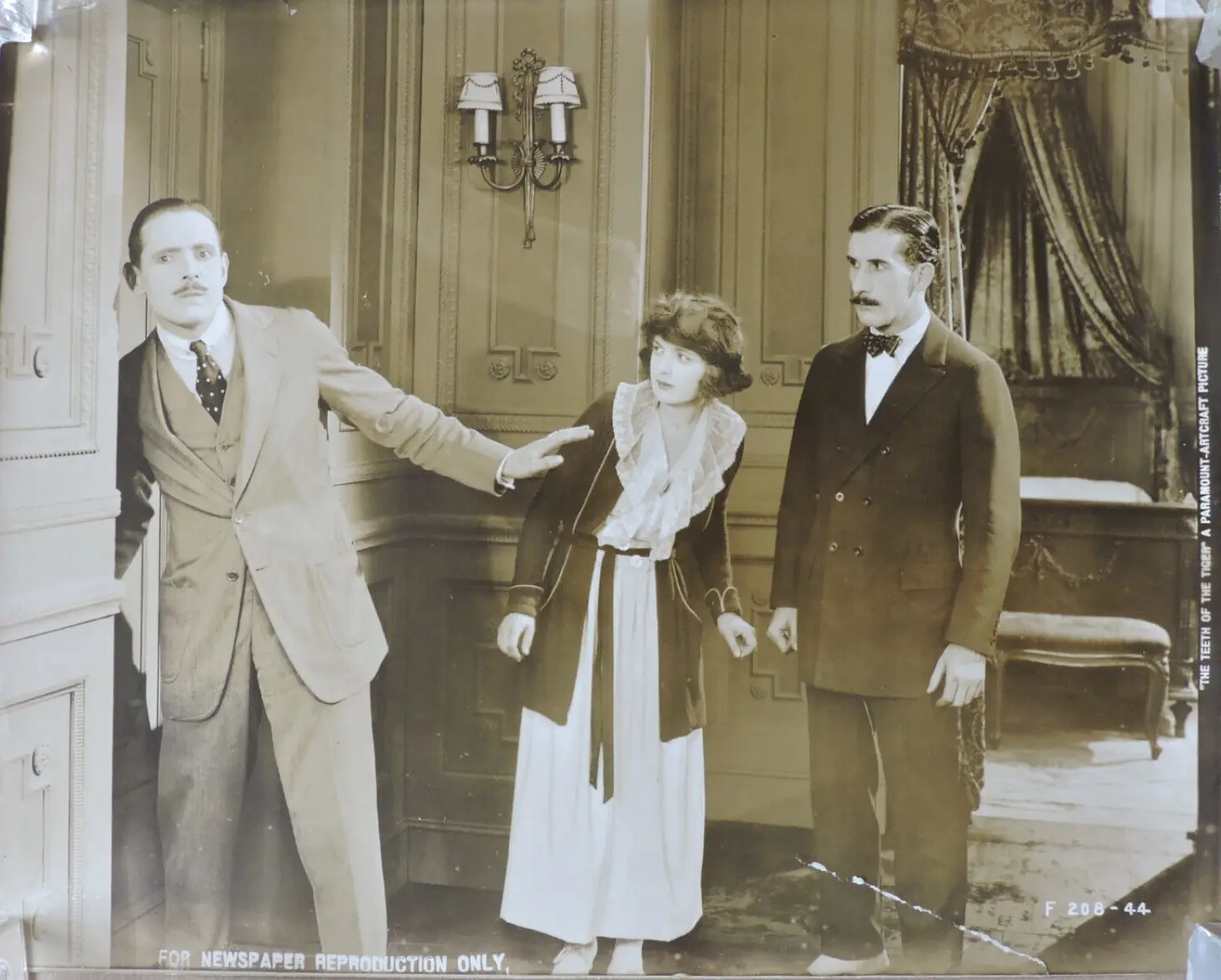
The supporting cast, particularly Marguerite Courtot as Florence Chandler, brings a necessary emotional weight to the proceedings. Florence is not merely a damsel in distress; she is the beneficiary of a will that makes her a target, and her resilience in the face of false arrest is a testament to the film’s progressive stance on its female leads. Her chemistry with Powell’s Sernine provides the film’s romantic core, though it is a romance forged in the crucible of a murder investigation. This isn't the lighthearted courtship found in Just Out of College; it is a bond born of shared trauma and mutual survival.
The revelation of Doctor Varney as the antagonist is a masterstroke of narrative subversion. As the physician entrusted with Forbes’ care, Varney represents the ultimate betrayal of the Hippocratic Oath. His plan to demolish the house—and its inhabitants—with explosives is a grand, operatic climax that pushes the film into the realm of the thriller. This explosive finale differentiates the film from the more grounded crime dramas of the period, such as Officer 666. Varney is a precursor to the 'mad scientist' or 'mastermind' archetypes that would later dominate the genre, a man whose intellect is matched only by his lack of empathy.
Sernine’s ability to outmaneuver Varney is not just a victory of brawn, but of superior intellect. The sequence involving the escape from handcuffs is a direct nod to Lupin’s roots as a master of escape artistry. It serves as a reminder that even when he is playing the role of the respectable Paul Sernine, the spirit of the gentleman thief remains. This duality is what makes the character so enduring; he is a man of a thousand faces, yet he possesses a singular, unwavering focus on justice—albeit a justice of his own making.
Reflecting on the film’s place in 1919 cinema, it stands as a robust example of how silent film could handle complex, multi-threaded plots without the benefit of synchronized dialogue. The visual storytelling is dense, requiring the audience to pay close attention to the subtle cues provided by the actors and the mise-en-scène. While it may lack the expressionistic flourishes of Die Ahnfrau, it compensates with a relentless narrative drive and a keen eye for suspense.
The film also engages with themes of redemption. Mazeroux, the criminal turned detective, serves as a mirror to Sernine. Both men have moved beyond their pasts, yet they are constantly pulled back by the gravity of their previous lives. This thematic depth is often missing from more superficial adventures like The Ranger or the whimsical Whose Baby Are You?. In The Teeth of the Tiger, the stakes are always existential; the characters are fighting not just for their lives, but for the right to define who they are in a world that is quick to judge them by their scars.
In conclusion, this cinematic artifact is more than just a detective story. It is a sophisticated exploration of identity, forensics, and the thin line between the law and justice. Its use of color-coded tension—the dark orange of the impending explosion, the yellow of the flickering lanterns in the secret passages, and the sea blue of the cold New York night—creates a visual palette that lingers in the mind long after the final frame. For those seeking a bridge between the classic literature of the 19th century and the hard-boiled noir of the 20th, this film is an essential, albeit often overlooked, cornerstone. It captures a moment in time when the world was changing, and even a gentleman thief had to adapt to survive the biting grip of the modern age.

IMDb 6.6
1933
Community
Log in to comment.