DbcultAccessing Vault...
Cult Review
Senior Film Conservator
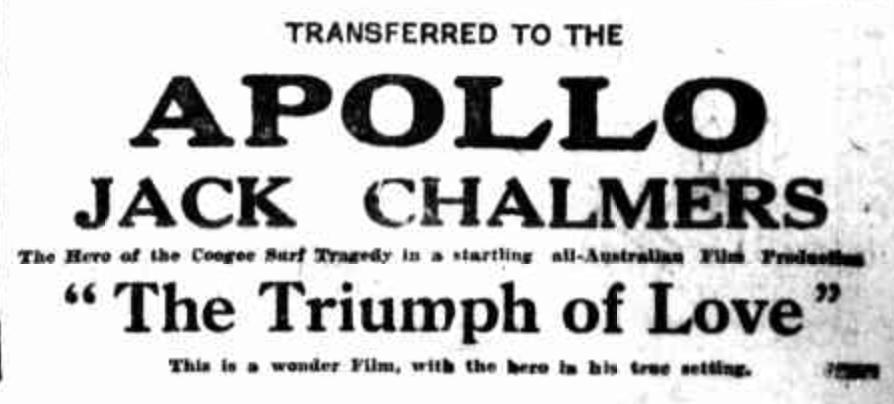
There are films that flirt with your senses; then there is The Triumph of Love, a velvet-gloved slap that leaves the perfume of bruised roses on your cheek long after credits fade.
Jack Chalmers, all sinew and stardust, plays the poet-bandit with a restless intelligence that recalls early River Phoenix had he been raised on Rimbaud and rationed bread. He mutters couplets like pickpocket’s apologies, eyes flickering between the princess and the moon as if trying to decide which is farther away. Opposite him, Coo-ee Knight delivers a masterclass in controlled combustion: every measured breath belies a woman negotiating grief and wonder in equal coin. When she finally removes her mourning veil, the auditorium itself seems to exhale a hush it didn’t know it was holding.
Director of photography Vesna Lurie bathes the palace in tangerine gels until the corridors resemble the inside of a nectarine—sweet, fleshy, on the verge of rot. Later, she drains the spectrum to glacial blues when the lovers shelter in an abandoned observatory, starlight slicing through cracked cupolas like celestial shrapnel. The transition is so visceral you can almost feel your pupils dilate.
The screenplay, attributed to the reclusive trio writing under the nom de plume Ludi i strasti, refuses three-act obedience. Instead it spirals like a baroque fugue, leitmotifs of water, mirrors, and birds recurring until they calcify into private mythology. One moment you’re inside a masquerade where guests wear masks of their own faces—an unnerving touch that feels straight out of Velvet Fingers—the next you’re in a candlelit cellar where government archives are eaten by moths bred on royal linen. The film’s pulse is dangerously arrhythmic, yet every tangent lands with the inevitability of dream logic.
Compare it to The City of Illusion and you’ll notice both toy with identity as performance, but where City revels in neon artifice, Triumph roots its masquerade in soil and pollen, making the deception feel organic, fungal, alive. Likewise, A Daughter of the Wolf gives us a heroine fleeing dynastic duty, yet its tundra brutality is miles removed from the sun-drunk eroticism on display here.
Composer Eleni Savalas limits her orchestra to nine period instruments—a single harpsichord, a glass harmonica, two viols, a wooden flute, and a whisper of percussion. The score hovers at the threshold of audibility, emerging only when characters misstep, as though the music itself were a voyeuristic ghost. When drums finally erupt during the amphitheater climax, the effect is less score than civic heartbeat, a reminder that revolutions are percussion-driven affairs.
Designer Malik al-Rashid stitches contradictions into every seam: the princess’s peasant blouse is woven from silk so fine it could pass for cobweb; the poet’s patched coat is lined with stolen coronation brocade. Notice how Coo-ee Knight’s widow weeds gradually sprout embroidered moths—tiny winged insurgencies multiplying each time she chooses empathy over protocol. Clothing here isn’t symbolism; it’s diplomacy conducted in fiber.
On the surface, the film whispers rebellion; beneath, it interrogates whether love can survive without complicity. The princess funds seditious pamphlets yet flinches when those same broadsheets burn her family crest. The poet romanticizes poverty until hunger grips his own belly. Their romance isn’t redemptive—it’s transactional, messy, and therefore electrifying. You half expect title cards reading “This is what happens when poetry gets a line of credit.”
Which brings us to the much-debated ending. Without spoiling the precise geometry, suffice it to say the final shot is an over-the-shoulder gaze at an open road, dust clouds forming the shape of a crown before dispersing. Some viewers will decode this as abdication; others will insist the princess is merely elongating her leash. Either way, the film refuses catharsis-as-product, delivering instead what I’d call catharsis-as-question-mark, closer in spirit to the ambiguous farewell of The Ships That Meet than the tidy coupling of Beloved Jim.
Watch Chalmers in the observatory scene where he recites an unpublished sonnet to a deaf astronomer’s trumpet: his voice cracks on the word “sovereign,” a hairline fracture that sells an ocean of backstory. Knight, meanwhile, wields silence like a stiletto—her longest stretch without dialogue lasts six minutes, yet her micro-expressions sketch a whole treatise on bereavement. When their eyes lock across the broken telescope, the air feels ionized, as though projection equipment might short-circuit.
If For Husbands Only lampoons marriage as middle-class jail, and Wedlock fetishizes it as blood-sport, then Triumph stages romance as insurrection with aphoristic flair. It’s closer to Humanidad in its utopian ache, yet fleeter, more willing to laugh while slitting its own wrist.
Yes, the third-act detour into the moth cellar lingers two beats too long. Yes, the ADR on a particular marketplace rant feels looped from another continent. But blemishes on this canvas feel like flecks on a Persian miniature—proof of human touch rather than flaw. I’d trade a dozen technically pristine streamers for one film this drunk on its own contradictions.
In an era where algorithmic rom-coms arrive pre-creased and focus-group flat, The Triumph of Love dares to be unruly, perfumed, and politically venomous. It’s a candlelit hand grenade, a love letter written with a broken fountain pen: inky, illegible in places, and impossible to forget. Let it hijack your evening; let it vandalize your assumptions about what on-screen affection is allowed to cost. When the lights rise, you’ll swear the theater smells of orange blossom and gunpowder—and you’ll be right.
IMDb —
1927
Community
Log in to comment.