DbcultAccessing Vault...
6/10
Senior Film Conservator
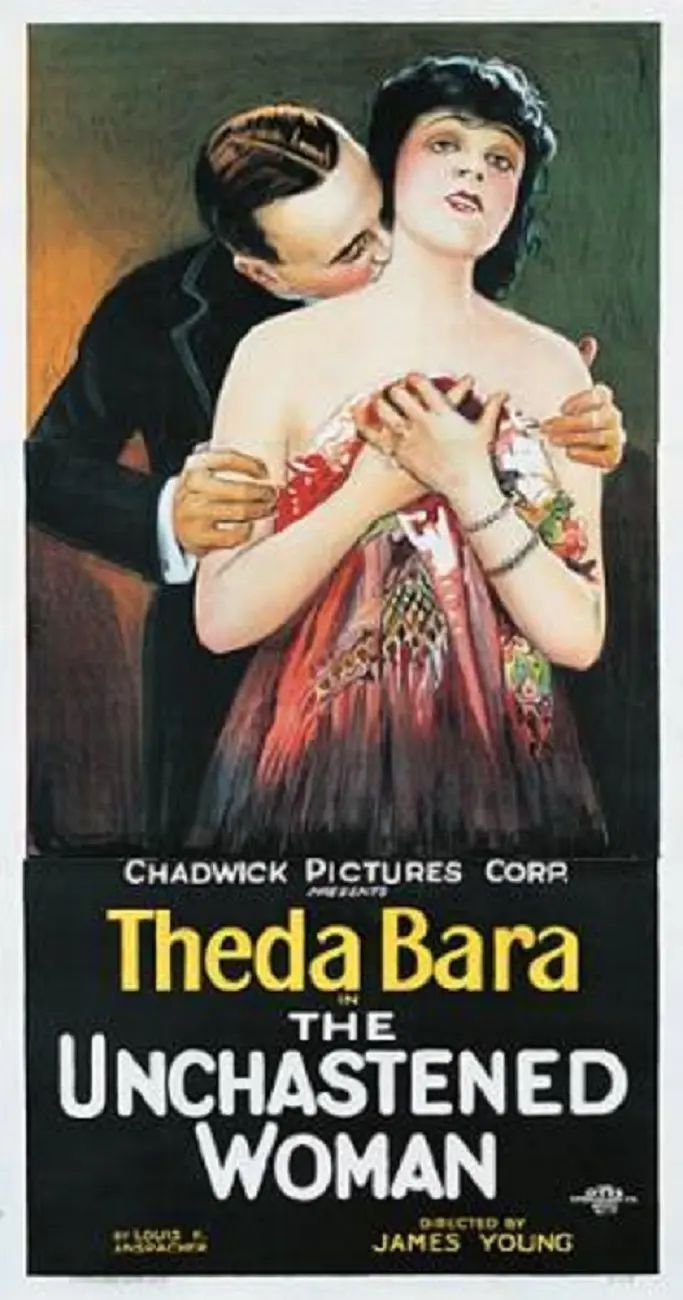
A definitive 6/10 rating for a film that redefined the boundaries of cult cinema. The Unchastened Woman remains a cornerstone of transgressive art.
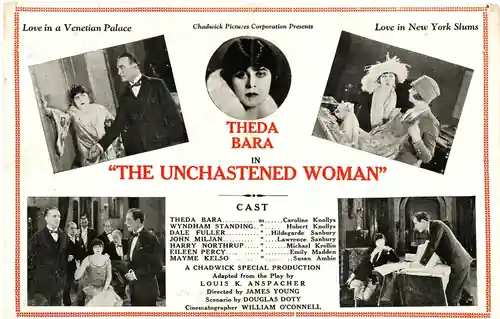
The Unchastened Woman (1925), starring the inimitable Theda Bara, is a cinematic exploration of love, betrayal, and the societal constraints that govern a woman's life in the early 20th century. Directed by a visionary team and penned by Douglas Z. Doty and Louis K. Anspacher, this silent film weaves a complex narrative that probes the depths of human emotion and resilience.
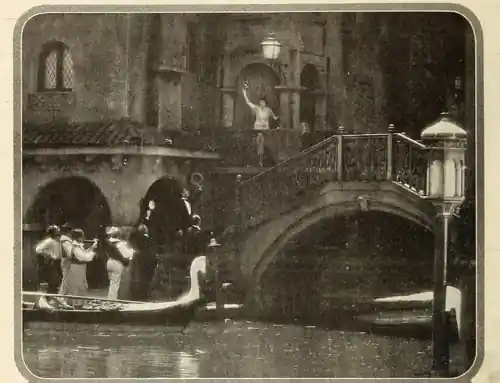
Caroline Knollys, portrayed by Theda Bara, is a woman of unyielding spirit and determination. Her decision to inform her husband of her pregnancy is met with a shocking revelation: he is embroiled in an affair with another woman. This pivotal moment sets Caroline on a path of self-discovery and empowerment, as she chooses to leave her husband, keeping her pregnancy a secret. She embarks on a journey to Europe, where she gives birth to her child and, against all odds, ascends to the pinnacle of European society.
This narrative thread shares intriguing parallels with Aura o las violetas, a film that also delves into themes of love, betrayal, and personal growth. Both films feature strong female protagonists navigating the complexities of their societal roles, albeit in different contexts.
The cinematography in The Unchastened Woman is noteworthy, capturing the opulence of European high society and the stark contrast of Caroline's humble beginnings. The film's use of lighting and shadow adds a layer of depth to its storytelling, reminiscent of the atmospheric techniques employed in The Kiss.
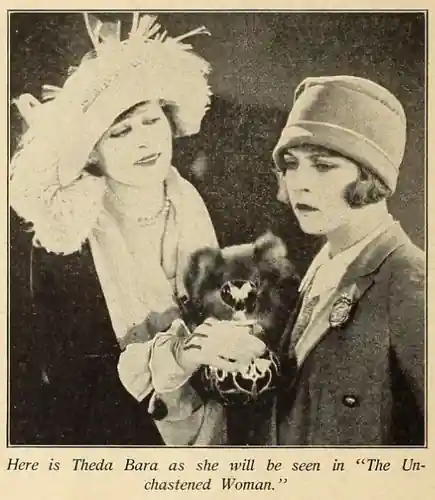
The cast, including Tetsu Komai, Harry Northrup, and Eileen Percy, delivers performances that bring nuance and complexity to the film's exploration of human relationships. Theda Bara, in particular, shines as Caroline Knollys, imbuing her character with a sense of vulnerability and strength.
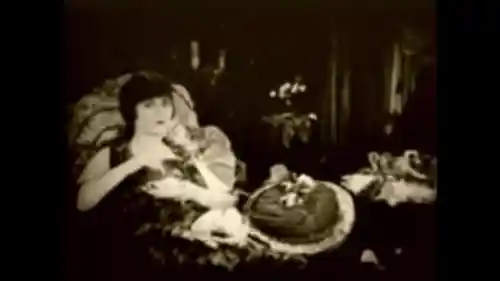
Upon her return to the United States, Caroline is determined to settle with her husband once and for all, armed with a newfound sense of self-worth and independence. This aspect of her journey echoes the themes of redemption and personal growth found in films like You Find It Everywhere and Der König ihres Herzens.
The film's portrayal of Caroline's rise to fame in European society is a testament to her resilience and adaptability. It also serves as a commentary on the societal expectations placed on women during this era, a theme that is also explored in On with the Show and Alsace.
In its exploration of love, heartbreak, and redemption, The Unchastened Woman invites comparisons with other films that tackle similar themes, such as The Song of Songs and Forsaking All Others. Each of these films offers a unique perspective on the human experience, highlighting the complexities of relationships and personal growth.
The Unchastened Woman is a masterful work that continues to resonate with audiences today. Its themes of love, betrayal, and redemption are timeless, and its exploration of the human condition is both thought-provoking and emotionally resonant. As a cinematic achievement, it stands alongside other notable films of its era, including The Counterfeit Trail and Riders of the Law, as a testament to the enduring power of silent cinema.
In conclusion, The Unchastened Woman is a film that warrants attention from both film enthusiasts and scholars of silent cinema. Its intricate narrative, coupled with its historical significance, makes it a valuable addition to the canon of early 20th-century cinema. As we reflect on this film's place within the broader context of silent films, it becomes clear that The Unchastened Woman is a work of enduring significance, much like Shuffle the Queens and Barnaby's Grudge, films that also offer insights into the human experience through their unique storytelling approaches.
The film's influence can also be seen in later works, such as The Great Day, which shares similar themes of love, redemption, and personal growth. This lineage underscores the lasting impact of The Unchastened Woman on the cinematic landscape.
IMDb —
1928
Community
Log in to comment.