Summary
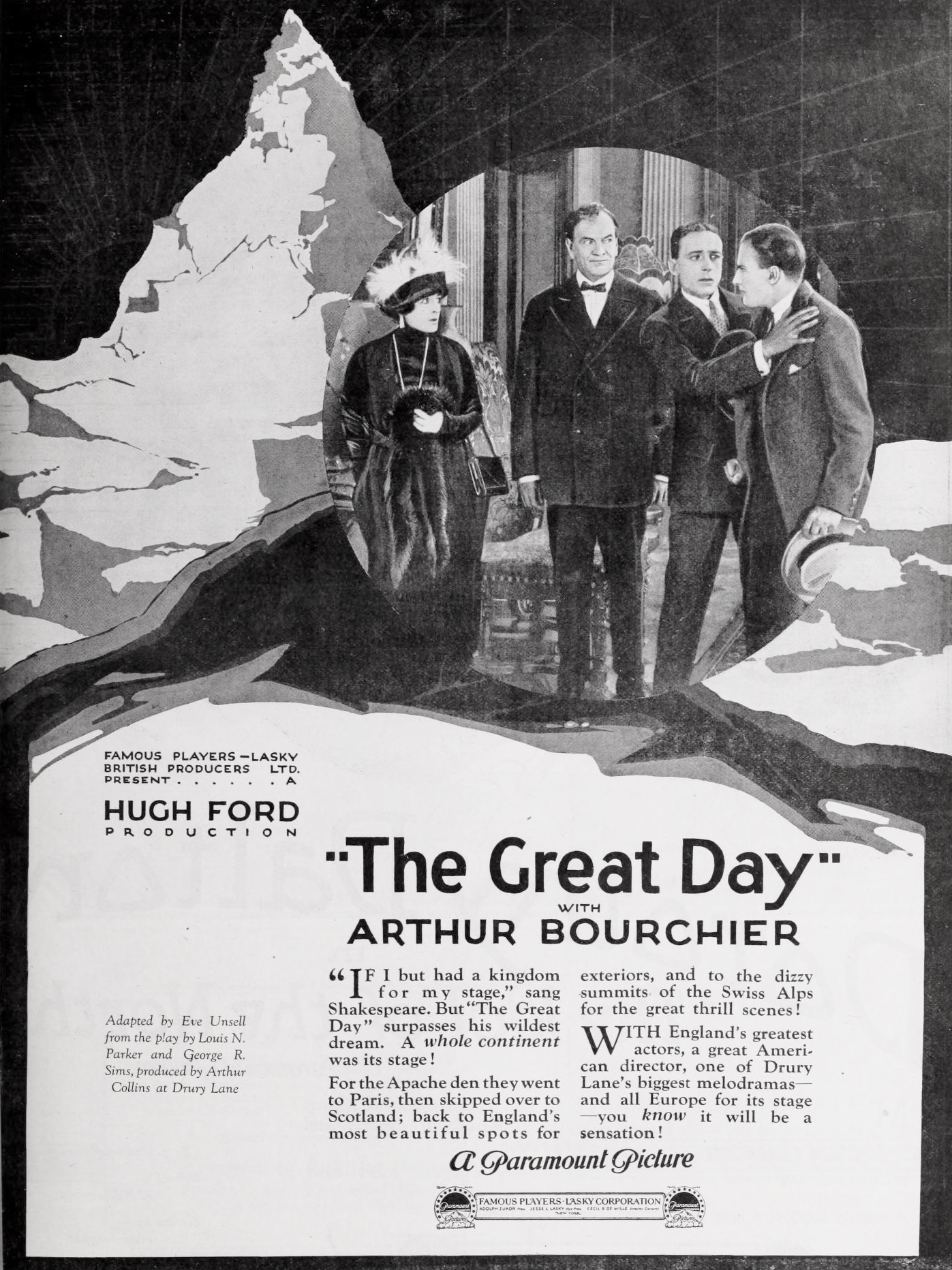
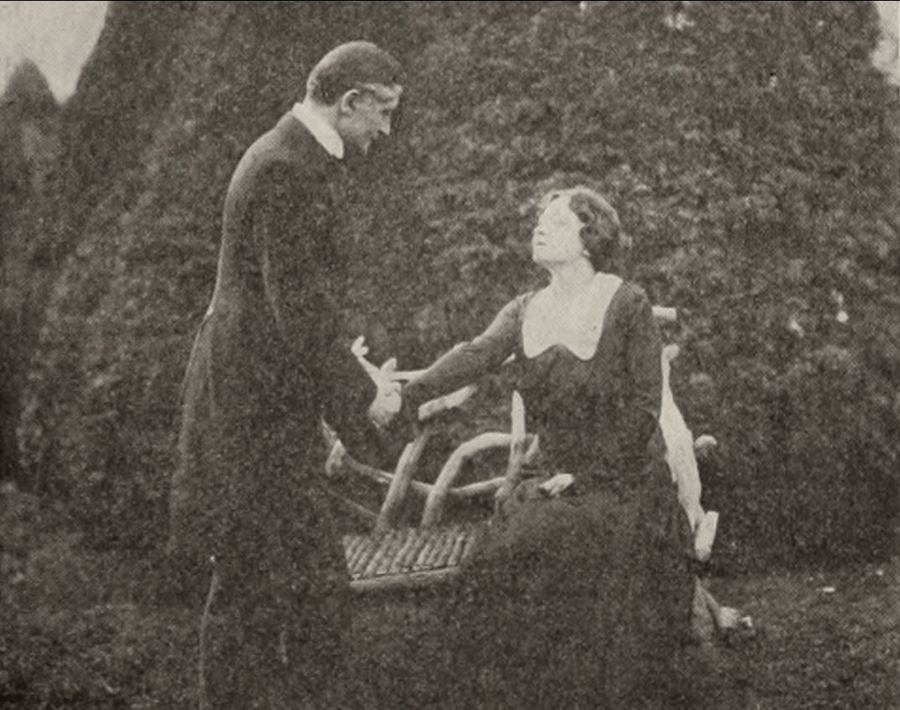
Amid the clangorous haze of a Midlands foundry, a widowed metallurgist perfects a crucible that can transmute grief into steel—only to discover that the woman he buried beneath frost-bitten earth glides through his laboratory door, her veil still smelling of cemetery lilies. She is no phantom, merely a wife who staged her drowning in the canal to escape a marriage calcified by loss; meanwhile, the husband himself had been shipped home from Ypres with no name, no face he recognized, and a silver plate in his skull that whistles when the wind is easterly. Their twin resurrections detonate every assumption the town ever held: the inventor’s new fiancée—a mill owner’s daughter—feels the ground buckle, shareholders scent scandal like cordite, and the couple’s adolescent daughter, raised on fables of orphanhood, must decide which stranger to call parent. The narrative coils backward through flashbacks stitched like shrapnel into silk: a moonlit trench where a soldier scrawls his own obituary on a biscuit tin, a morgue where a woman swaps her wedding ring with a cadaver, a honeymoon train that halts in a tunnel so long the passengers begin to speak in tongues. Cinematographer L.C. Carelli bathes each temporal layer in a distinct chromatic fever—sepia for pre-war innocence, viridian for the trenches, blanched platinum for the liminal years of mourning—so that time itself seems to oxidize on the celluloid. When the couple finally confront one another in the glow of the Bessemer converter, sparks arc between their silhouettes like contradictory memories, and the molten metal roars with the voices of the dead who never came home. The film ends not with reconciliation but with a mutual abdication: they walk away from the furnace in opposite directions, leaving behind only the echo of their names carved into a rail sleeper—an epitaph for a marriage that died twice and yet refuses to stay buried.
The 'dead' wife of a steel process inventor returns, as does her 'dead' husband, a war amnesiac.
Review Excerpt
"
There is a moment—roughly two-thirds through The Great Day—when the camera lingers on a crucible of white-hot steel while, reflected in the polished faceguard of Mrs. L. Thomas, the liquid metal appears to weep. That single superimposition, achieved in-camera with no optical printer, distills the film’s perverse alchemy: grief liquefied, grief weaponized, grief sold by the ingot to armaments moguls who will ship it back to the same front that devoured the protagonist’s memory. Few silents dare ..."