DbcultAccessing Vault...
Cult Review
Senior Film Conservator
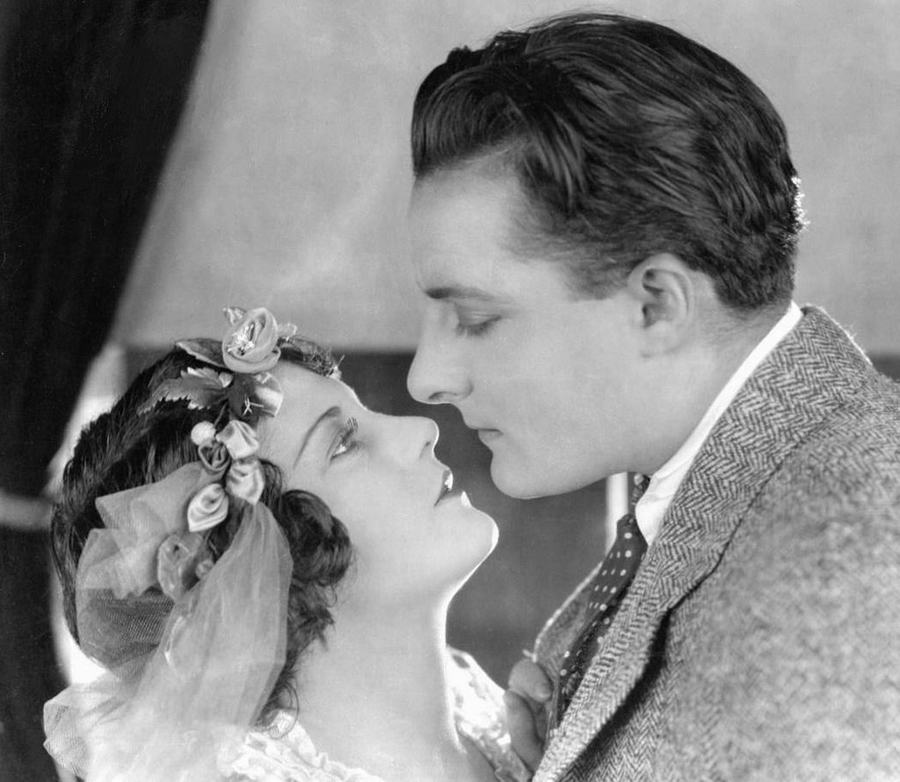
In the shadow-draped corridors of 1919 Hollywood, There Are No Villains emerges not as a typical crime thriller but as a meditative study of duality, where every character wears a mask of necessity. Viola Dana, as Rosa Moreland, embodies the paradox of a woman who weaponizes her femininity to infiltrate the opium trade, only to find herself ensnared by the very man she sought to exploit. This film, a relic of the silent era, pulses with an urgency that transcends its century-old origins, offering a narrative so layered that each rewatch unveils new fractures in the characters’ facades.
At its core, There Are No Villains is a duel between two agents—one overt, one covert—whose intertwined fates create a tautrope of tension. Rosa’s calculated masquerade as a destitute woman of virtue, juxtaposed with John King’s (Fred Kelsey) enigmatic benefaction, forms a dance of mutual deception. The film’s genius lies in its refusal to let either character escape moral ambiguity. When Rosa lies about a house fire to gain John’s trust, the audience is left to question whether her actions are those of a patriot or a predator. Similarly, John’s sudden financial windfall, which elevates their shared living space from squalor to stability, becomes a cipher for his own clandestine agenda.
Director Frank R. Adams employs the visual language of silent cinema with surgical precision. The dimly lit flat where Rosa and John reside becomes a stage for their psychological push-and-pull. Shadows stretch across Viola Dana’s face as she spies on John receiving a mysterious package from George Sala (DeWitt Jennings), the film’s nominal antagonist. Yet, even this moment of surveillance is tinged with tenderness, as the camera lingers on the two protagonists’ intertwined hands—a visual metaphor for the inescapability of their entanglement.
The film’s most audacious twist—a revelation that John is himself a Secret Service agent—recontextualizes every prior interaction. His initial reluctance to sever ties with George is not weakness but a calculated delay to gather evidence. Rosa’s subsequent decision to wed him, knowing it would bar her from testifying against him, is a masterstroke of tragic irony. The audience is left to ponder: is this union a triumph of justice or a surrender to fate? The film offers no easy answers, instead lingering on the lovers’ faces as they exchange vows, the camera’s gaze as unblinking as their own.
Viola Dana’s performance is a masterclass in silent film acting. Her eyes, wide as storm clouds, convey a storm of conflicting emotions. In one scene, as she confronts Detective Flint (Gaston Glass) about John’s potential guilt, her fingers tremble against her skirt’s hem, her lips parting in a half-smile that masks her certainty. Dana’s physicality—every tilt of the head, every suppressed gasp—turns Rosa into a cipher of both strength and fragility. Fred Kelsey, meanwhile, imbues John with a wounded nobility, his limp a constant reminder of his past while his measured gestures suggest a man perpetually on guard.
The supporting cast, though given less screen time, elevates the film’s stakes. DeWitt Jennings’ George Sala is a study in understated menace, his every entrance punctuated by a slow, deliberate smile that hints at unseen transactions. The final confrontation in which George learns of Rosa’s identity is a silent film’s equivalent of a Shakespearean soliloquy—Jennings’ face a map of betrayal, his hands curling into fists as if to grasp the air and make it speak.
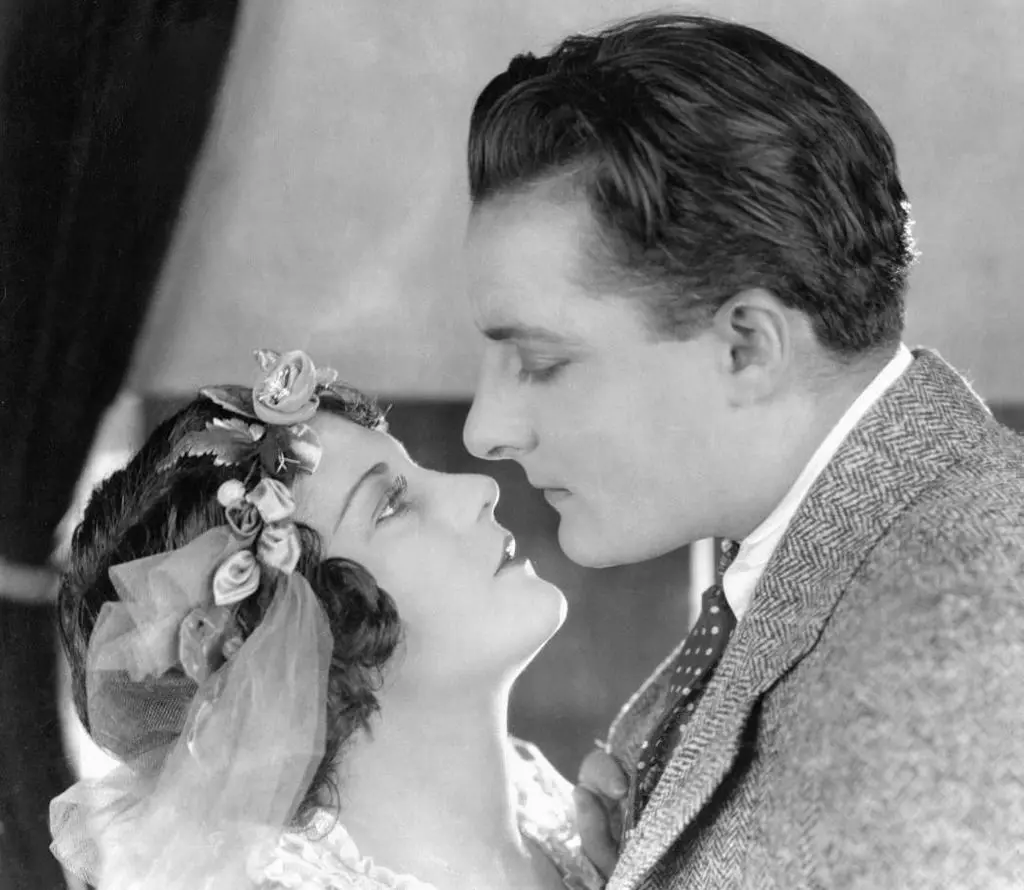
There Are No Villains resonates with startling relevance in an age where identity is as fluid as digital avatars. Mary O’Hara’s script, co-written with Frank R. Adams, dissects the performative nature of truth. Rosa’s dual role as both investigator and love interest mirrors modern debates about the ethics of undercover operations. Is it justifiable to sacrifice personal integrity for the greater good? The film suggests that the line between hero and villain is as thin as the paper on which Rosa’s reports are written.
The film’s exploration of love as both sanctuary and sabotage echoes through the works of later directors like Alfred Hitchcock, who similarly weaponized romantic entanglements. For cinephiles familiar with The Sphinx’s enigmatic femme fatales or The Vamp’s seductive villains, There Are No Villains offers a proto-feminist counterpoint. Rosa’s agency, though bound by the constraints of her era’s legal system (a wife cannot testify against a husband), is a testament to her resourcefulness. She manipulates both her adversaries and her own emotions to achieve justice, a complexity rarely afforded to women in early cinema.
Though overshadowed by the more flamboyant works of the silent era, There Are No Villains has left indelible marks on the noir tradition. The film’s chiaroscuro lighting and themes of moral compromise presage the shadowy alleys and existential dread of later noir classics. Its influence can be glimpsed in The Shadow of Rosalie Byrnes, where a woman’s entanglement with crime similarly blurs the line between victim and villain.
Technically, the film is a marvel. The use of intertitles is sparse yet poetic, often quoting phrases like “Love is a battlefield” with sardonic precision. The score, though lost to time, is said to have been a haunting blend of strings and piano, echoing the film’s melancholic undertones. For modern audiences, the restoration of these elements—though incomplete—offers a glimpse into the craftsmanship of early cinema.
There Are No Villains is more than a relic of a bygone era; it is a time capsule of human complexity. Its refusal to villainize or sanctify any character—George’s guilt is never explicitly shown, only implied through Rosa’s surveillance—invites the viewer to become an active participant in the moral calculus. In an age where truth is increasingly elusive, the film’s central question remains urgent: Can love and justice coexist, or are they fundamentally at odds?
For those seeking a film that rewards close attention, There Are No Villains is an unmissable experience. It is a work that demands to be watched twice: once for the plot’s intricate puzzle, and again for the silent dialogue spoken in glances and gestures. In the annals of cinema history, this film stands as a testament to the power of ambiguity—a reminder that the most compelling stories are those that leave us questioning long after the screen goes dark.
IMDb —
1916
Community
Log in to comment.