DbcultAccessing Vault...
6.3/10
Senior Film Conservator
A definitive 6.3/10 rating for a film that redefined the boundaries of cult cinema. Power remains a cornerstone of transgressive art.
If you are looking for a silent film that feels like a dusty Saturday afternoon, Power is probably it. It is one of those movies where you can practically smell the cheap tobacco and the wet cement. It is worth a look if you are a completionist for early Carole Lombard or if you just want to see Alan Hale and William Boyd beat the hell out of each other for seventy minutes. If you want a deep plot about the ethics of engineering, you are going to be annoyed. This is a movie about guys being loud without making a sound.
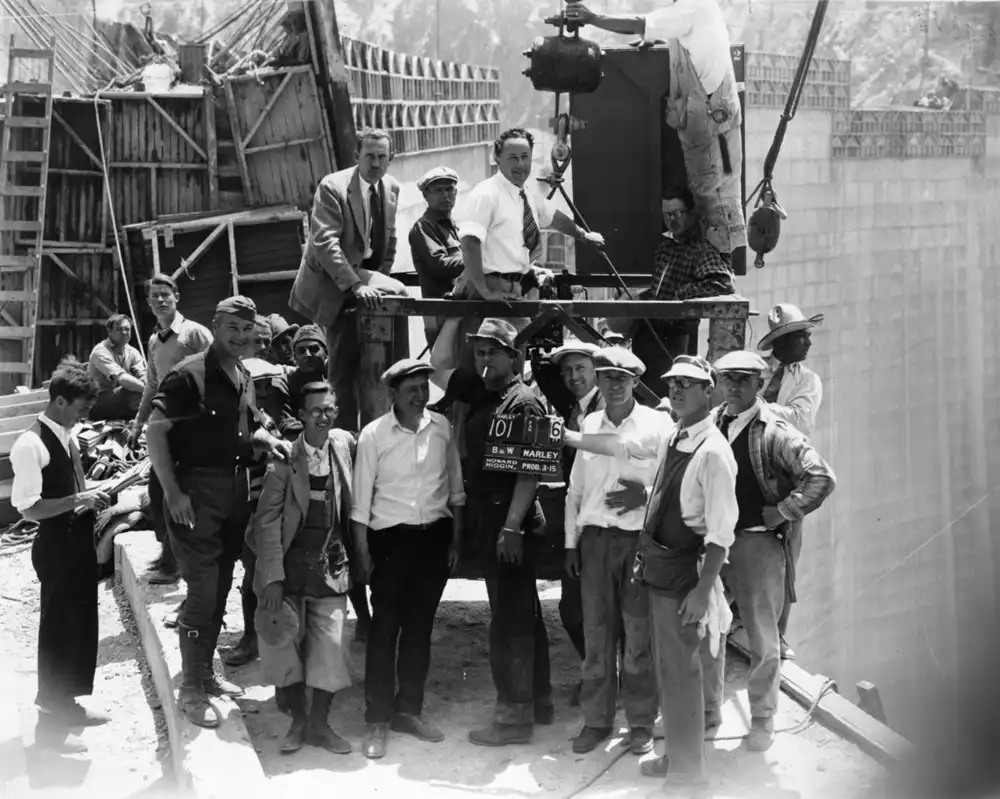
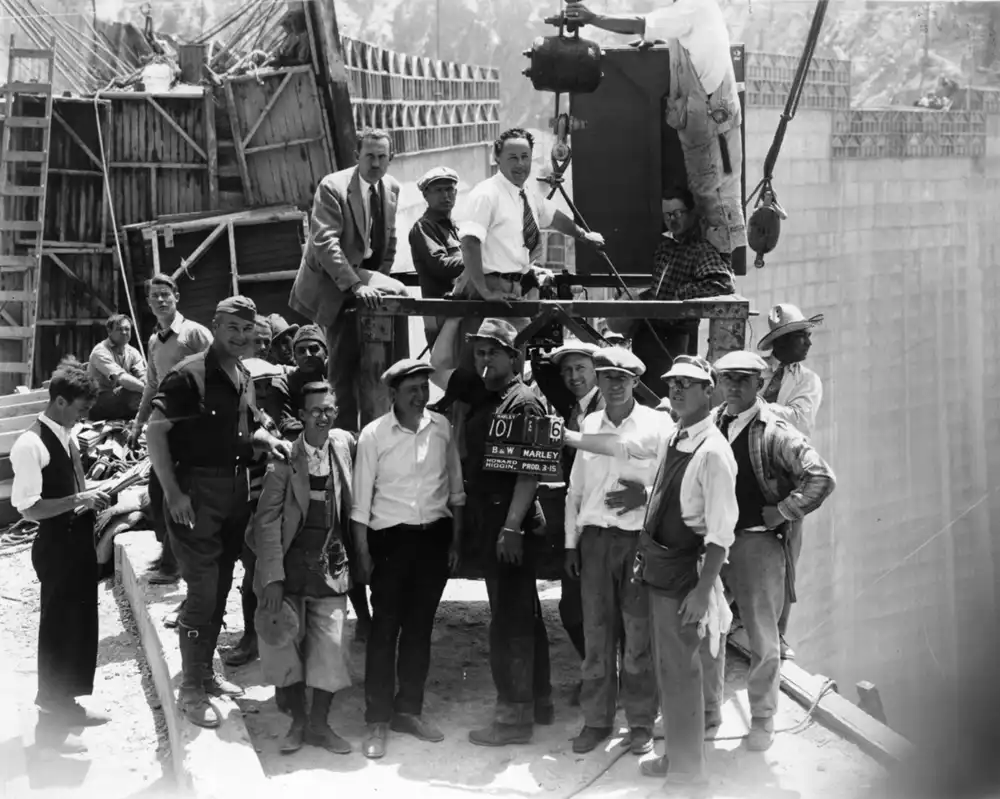
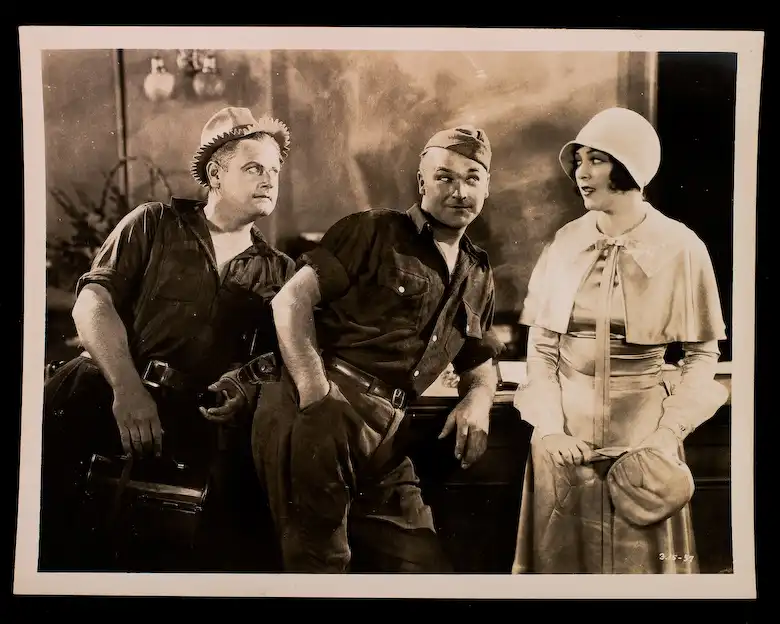
The first thing you notice is the scale. They are building a dam, and the movie actually feels like it is on a construction site. There is so much steam and mud. William Boyd (before he became the clean-cut Hopalong Cassidy) looks genuinely grimy. He has this way of wearing his hat pulled down low that makes him look like he’s constantly looking for a fight, which, to be fair, he usually is. Alan Hale is the perfect foil—he’s huge, he’s loud, and he has this laugh that is almost audible through the title cards. He doesn't just laugh; his whole chest heaves. It’s a full-body convulsion that feels a bit much after the third or fourth time, but you can’t say he isn’t committed.
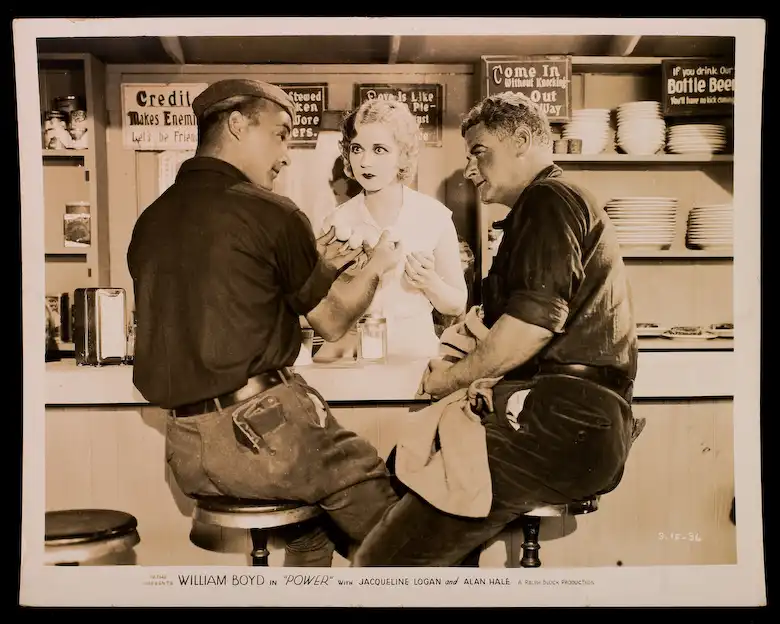
The plot is basically just a series of escalations. They work, they see a girl, they fight over the girl, they sabotage each other, and then they make up. Rinse and repeat. It reminds me a bit of the energy in Paris Lights, but with more dirt under the fingernails. There’s a scene where they are both trying to impress a girl at a dance, and the way they physically crowd each other out of the frame is actually pretty funny. It’s not sophisticated slapstick; it’s just two big guys being petty.
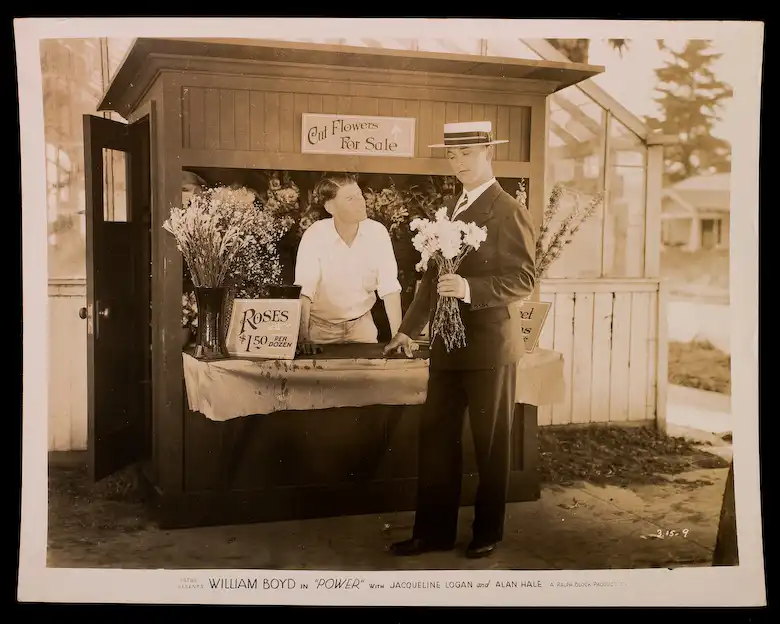
Speaking of the girls, Carole Lombard shows up. She’s incredibly young here. If you only know her from the 1930s screwball stuff, she’s almost unrecognizable. She doesn't have that polished, sharp-edged comic timing yet, but you can see her trying to do something with a role that is basically just 'The Prize.' There’s a moment where she looks at Boyd with this mixture of pity and attraction that feels like the only real human emotion in the first thirty minutes.
The editing gets a bit weird during the actual construction scenes. There are these quick cuts of machinery—steam shovels and cranes—that feel like they were lifted from a documentary and shoved in to make the movie feel 'important.' It doesn't really work. It just slows down the momentum of the rivalry. I found myself waiting for the movie to get back to the bar or the bunkhouse. The actual 'power' of the title feels like an afterthought compared to the power struggle between the two leads.
There is a specific shot I liked, though. It’s late in the film, and Boyd is standing on a high beam. The camera is low, looking up, and for a second, the movie stops being a goofy comedy and feels almost dangerous. The wind is whipping his clothes, and you realize these actors (or their doubles) were really up there. It has that raw, pre-safety-standard vibe you get in something like Wolves of the North.
The ending is exactly what you expect. It tries to pull at the heartstrings by putting their friendship in real jeopardy, but the transition from 'we hate each other' to 'I would die for you' happens in about three seconds. It’s a bit jarring. One minute they are literally trying to ruin each other's lives, and the next, they are sharing a cigarette in a way that’s supposed to be touching. It’s the kind of logic you only find in 1920s buddy movies.
Is it a masterpiece? No. It’s uneven, the pacing drags in the middle when they focus too much on the actual dam, and some of the physical bits go on way too long. But there is a charm to it. It’s a movie about men who don't know how to talk to each other, so they just build things and throw punches. Sometimes that’s enough for a Tuesday night.
One weird detail: watch the background extras during the big crowd scenes. Half of them look like they are genuinely confused about where they are supposed to stand. There is one guy in a flat cap who keeps looking directly at the lens, then looking away really quickly like he’s been caught stealing. It’s way more distracting than it should be.
If you’ve seen The Tiger's Claw, you’ll recognize that same sort of rugged, outdoor melodrama, but *Power* stays a bit lighter on its feet. It doesn't try to be a grand epic; it’s just a story about two idiots in the mud. And honestly, we need more of that.
IMDb 6.9
1920
Community
Log in to comment.