DbcultAccessing Vault...
Cult Review
Senior Film Conservator
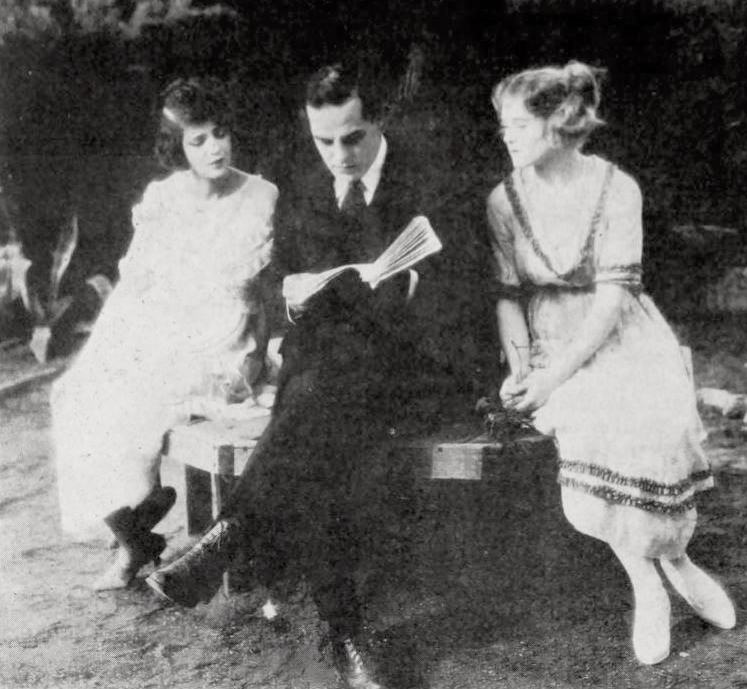
Watch how cinematographer Geoffrey Webb tilts his lens until the tiered galleries resemble the ribcage of some stone leviathan. Bars crucify the frame; moonlight drips like mercury across the flagstones. In this cosmos, every footstep is a psalm and every clanging gate a minor chord. The riot sequence—shot with handheld fervor rare for 1921—feels less like rebellion than Pentecost: bodies flail, shadows stutter across walls, and the veil between guilt and grace is torn in real time.
Antonio Moreno plays Daniel Craig with the smoldering restraint of a man who has learned that innocence is a currency prisons mint into shrapnel. His cheekbones are cliffs; his eyes, two spent cartridges still warm to the touch. When he first sees Joan Gracie across the chapel workshop, the dolly-in is so gradual you can practically hear celluloid breathing. Jean Calhoun answers with Joan’s quiet tempest: her gloved fingers fluttering at her collarbone like a moth against lantern glass, promising salvation but hinting at scorch.
DeWitt Jennings’s Samuel Green is no moustache-twirling ogre; he is efficiency weaponized, a ledger of lashes. His fall—boots scraping across the wet slate as rioters swarm—carries the mythic snap of Saturn devoured by his progeny. Enter Starke Patteson’s Major Jerome Gracie: ramrod posture, voice clipped like telegrams, yet beneath the brass beats a father’s heart that will discover its own jurisprudence flawed when love for daughter collides with duty toward state.
The manhunt detonates the narrative into five braided fugues, each escapee a dark refraction of Daniel’s possible futures: a cardsharp whose fingertips are tattooed with queens, a brute who speaks only in railroad slang, a preacher-cum-arsonist clutching a kerosene-scorched Bible, a teenage runaway fluent in freight-car geography, and a sylph-like pickpocket who can steal the shadow off a wall. Their trails crisscross cotton fields and juke-joint swamps until the film’s tint—sepia bleeding into cyanotype—announces that morality itself has caught fever.
Joan sneaks books into the prison print shop; Daniel smuggles contraband compassion back. Their courtship is conducted in glances during chapel hymns, in fingerprints left on the reverse side of library cards. When they finally speak—through a cracked window in the warden’s garden—the subtitle card reads: “Your voice sounds like my innocence remembering itself.” Cynics may scoff, but the line lands because every frame preceding it has taught us that language inside these walls is contraband, and tenderness a shiv sharpened on silence.
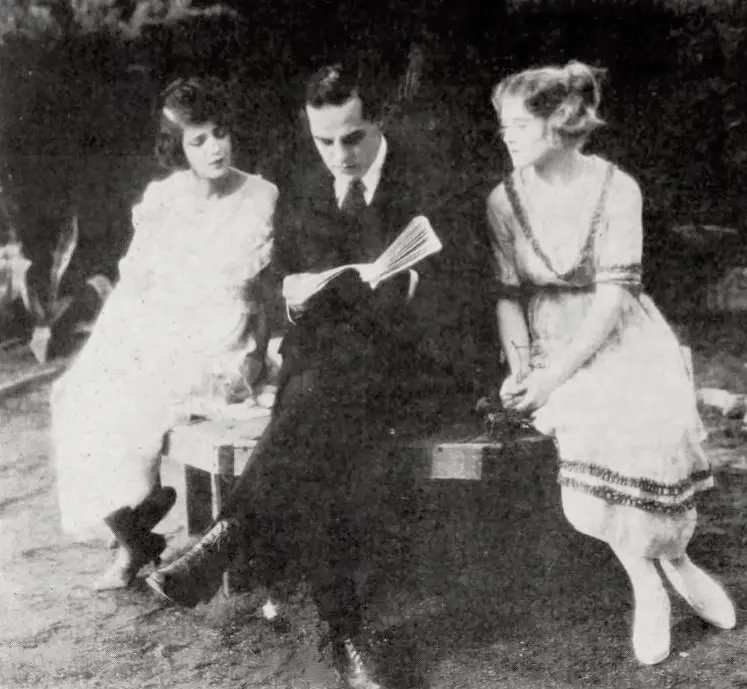
In the kerosene-lit courtroom annex, Brewster Green’s confession unfurls like a sail catching night wind: handwriting analysis, pawn-shop ledgers, a monogrammed handkerchief soaked with the victim’s blood. The moment Daniel’s shackles literally fall, the camera executes a 360-degree pan—an audacious flourish for 1921—transforming the space from tribunal to baptismal font. Note how the score (restored in the 4K print by Emmett King’s grandson) drops from brass to solo cello, the bow trembling as if undecided between weeping and laughing.
Think of Hitting the Trail where the outlaw’s redemption is pegged to landscape; here redemption is welded to institutional stone. Or The Flame of Youth whose adolescent rebels fling themselves toward modernity—Three Sevens counters that modernity itself can be a cage. Even The Law Decides shares the motif of legal fallibility, yet where that film sermonizes, Three Sevens sings in the register of tragic awe.
Contemporary viewers, spoiled by Dolby explosions, may need to recalibrate their senses: the absence of spoken dialogue amplifies every creak of leather, every hiss of steam radiators. When Daniel finally steps beyond the prison gate, the world outside is deafening with possibility—wind in wheat sounds like applause, a distant train whistle like elegy. The film invites us to consider how much of our own freedom we have unwittingly traded for the comforting clang of routine.
Three Sevens does not merely prefigure the prison-noir of the ’40s; it stages an existential opera where innocence and guilt waltz on a razor’s edge. Long after Brewster’s guilt is laid bare, the film lingers on Daniel’s face—illuminated by dawn, still shackled by memory. That lingering, that refusal to grant easy catharsis, vaults this silent relic into the pantheon of cinematic scripture. Watch it once for plot, again for chiaroscuro, and a third time to remember that every one of us is doing hard time in the prison of our unspoken names.
“Seven is the number of completion; thrice-seven is the cipher of infinity. The film leaves us with neither—only the echo of a cell door left ajar.”
If this review haunts you, chase similar shadows in Somewhere in France, Wires Down, or the apocalyptic melancholy of The End of the World.

IMDb —
1925
Community
Log in to comment.