Summary
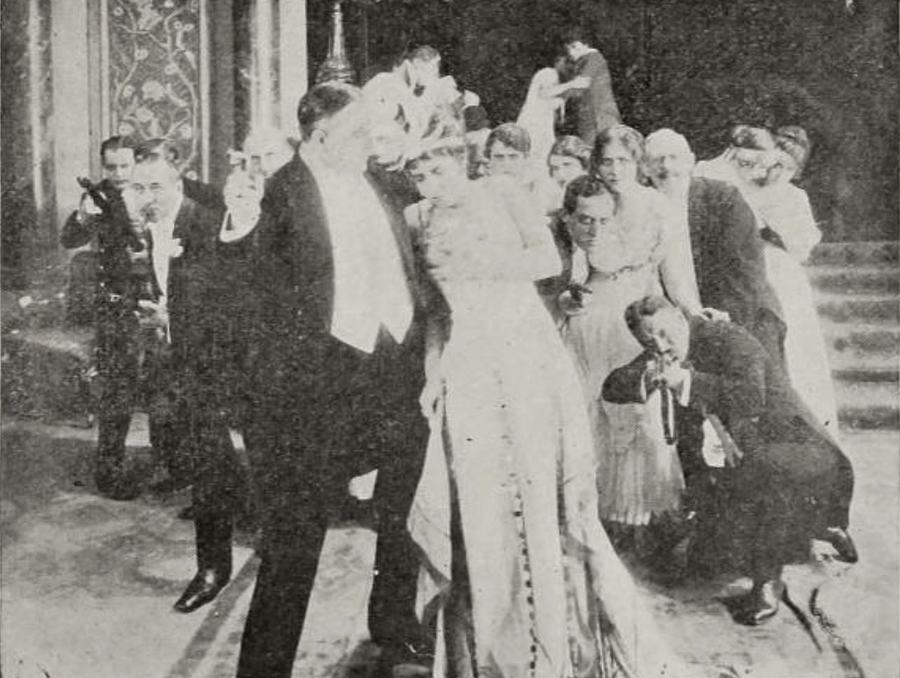
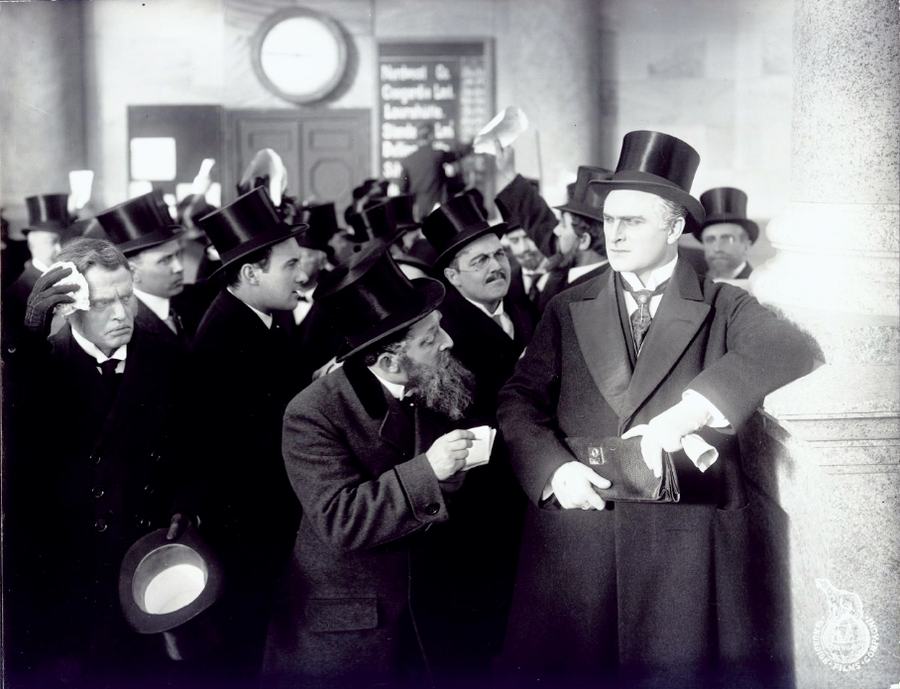
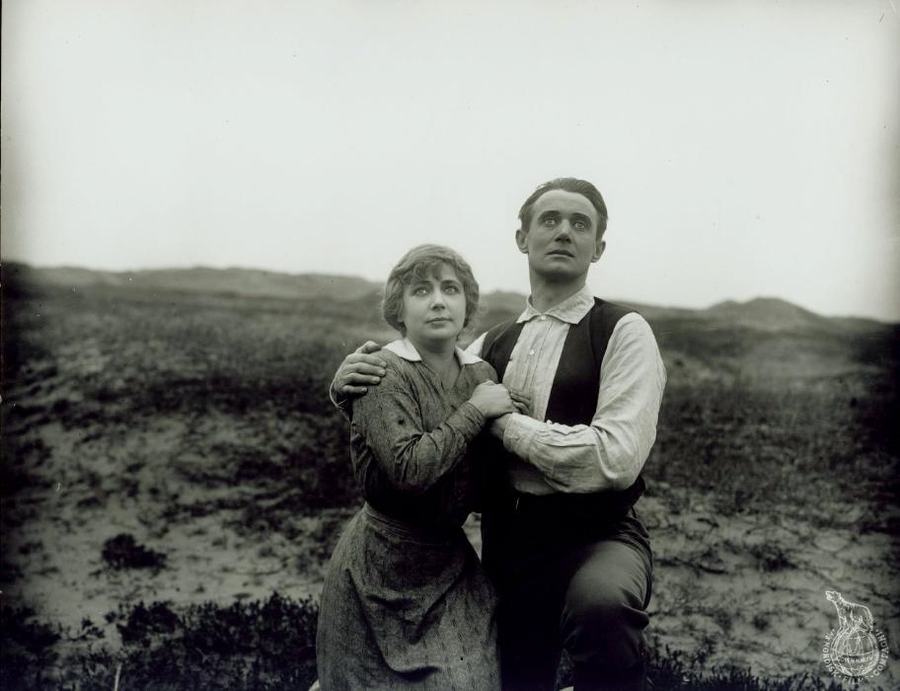
A charcoal-black firmament, suddenly slashed by a serrated comet whose turquoise tail drips cyanide, becomes the silent overture to civilization’s danse macabre. Copenhagen’s boulevards—once echoing with bicycle bells and polite nods—metamorphose into a Boschian canvas: upturned trams burn lavender, stockbrokers gnaw banknotes like communion wafers, and a tenor in white tie sings a death aria from a hotel cornice before the masonry swallows him. Otto Rung’s scenario, austere as a Lutheran sermon yet delirious as laudanum, refuses to fetishize the comet itself; the visitor is merely a match-strike in a planet already soaked in kerosene. We follow Erik Holberg’s astronomer—eyes ringed with sleepless topaz—as he scrawls logarithms on the walls of the abandoned observatory, convinced that the celestial trespasser’s gravity will peel tectonic plates like orange rind. Around him, Carl Lauritzen’s newspaper magnate repurposes the presses to print caricatures of the prime minister dangling from a lamppost; K. Zimmerman’s seamstress barters silk for cartridges; Ebba Thomsen’s war-widow dances barefoot on broken champagne bottles, her chignon unraveling into Medusa serpents. Alf Blütecher’s priest, collar askew, baptizes rats in the canal while reciting Revelation backward. The film’s vertebra is not the comet’s impact but the ricochet of human masks slipping: lovers throttle one another with pearl necklaces, children chalk hopscotch grids that spell HEL. Frederik Jacobsen’s drunk cinematographer smears petroleum jelly on the lens so every image quivers like a fever dream—streetlights bleed saffron halos, faces melt into tallow. When the final reel arrives, the screen itself seems to calcify: the comet has grazed Earth without collision, yet gravity has still wrung oceans into syringes of brine that drown the Tivoli Gardens ferris wheel. The last shot—an iris-in on Thorleif Lund’s silhouette crucified against a bruised sky—free-frames, the film stock itself cracking like glacial ice, leaving the audience holding their breath in a darkness that smells of sulfur and lilacs.
Synopsis
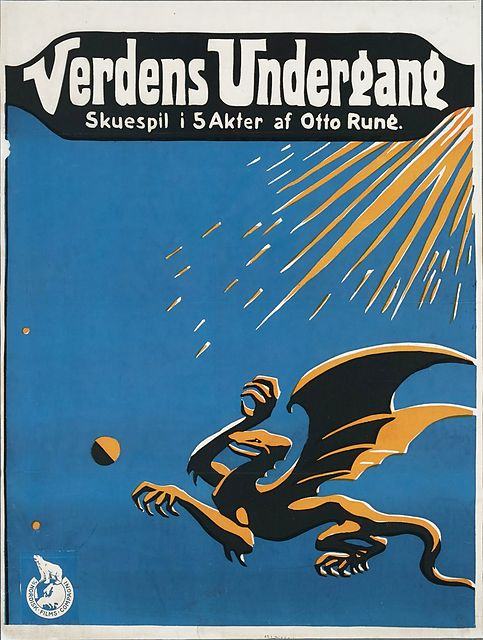
A comet, passing by Earth, causes rioting, social unrest, and major disasters that destroy the world.
Review Excerpt
"
Spoiler etiquette: I reveal every ember, every severed violin string, every cyanide droplet. Tread softly.
Visual Alchemy in the Shadow of a Comet
There is a moment—roughly twelve minutes in—when the camera, mounted on a coal cart, glides through a thoroughfare of toppled electric lamps. The bulbs, still spitting sapphire sparks, illuminate cobblestones lacquered with spilled absinthe. A stray dog laps the green puddle, its tongue phosphorescent, then convulses into a canine hieroglyph. This i..."