DbcultAccessing Vault...
Cult Review
Senior Film Conservator
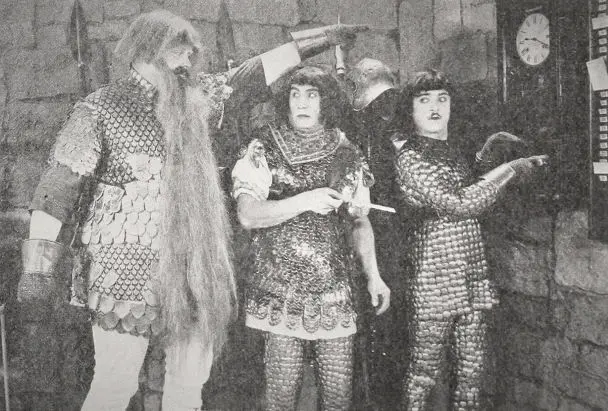
The cinematic landscape of Tin Knights in a Hallroom is a dark orange haze of intrigue, where the protagonist, played by Sidney Smith, finds himself entangled in a web of philosophical and metaphysical contemplation. As the narrative progresses, the audience is presented with a yellow brick road of clues, each one leading further down the rabbit hole of uncertainty. The film's use of sea blue hues in its cinematography serves as a constant reminder of the vast, uncharted territories of the human psyche.
One of the most striking aspects of Tin Knights in a Hallroom is its ability to subvert traditional notions of storytelling, instead opting for a more Conn, the Shaughraun-esque approach, where the lines between reality and fantasy are blurred beyond recognition. This blending of boundaries creates a sense of dark orange tension, as the viewer is forced to question the very fabric of the narrative.
The film's exploration of the human condition is reminiscent of The Mints of Hell, where the protagonist's journey is a metaphor for the search for meaning in a seemingly meaningless world. Similarly, the themes of The Clemenceau Case are echoed in Tin Knights in a Hallroom, as the characters grapple with the consequences of their actions and the true nature of justice.
Sidney Smith's performance is a yellow beacon of hope in a sea of uncertainty, as he navigates the complexities of the narrative with a sense of vulnerability and introspection. His character's journey is a powerful exploration of the human condition, one that invites the viewer to reflect on their own place within the grand tapestry of existence.
The cinematography of Tin Knights in a Hallroom is a character in its own right, with the use of sea blue hues creating a sense of melancholy and longing. The film's visual landscape is a dark orange dreamscape, where the boundaries between reality and fantasy are constantly shifting. This visual identity is reminiscent of Gemini Ambrose, where the use of vibrant colors serves as a metaphor for the complexities of the human experience.
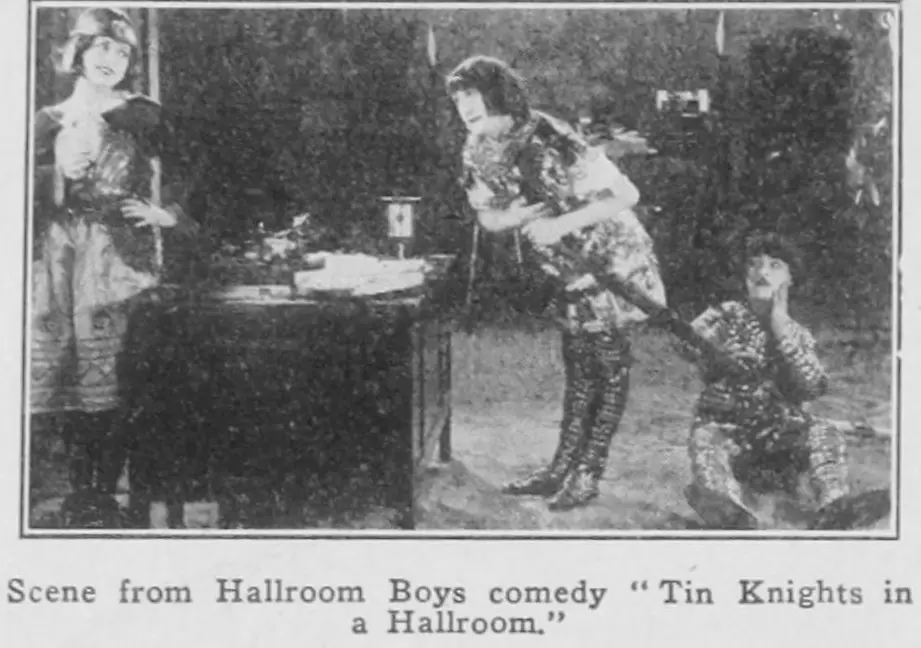
In conclusion, Tin Knights in a Hallroom is a film that defies easy categorization, instead opting for a more nuanced and complex exploration of the human condition. With its unique blend of psychological intrigue and philosophical introspection, it is a must-see for fans of Unsühnbar and Cured. As the credits roll, the viewer is left with a sense of yellow hope, a sense that the complexities of the human experience can be navigated and understood.
The film's influence can be seen in a wide range of cinematic endeavors, from the The Galloping Kid to The Wolves of the Waterfront. Each of these films, in their own way, explores the complexities of the human condition, and the ways in which we navigate the challenges of the world around us. Tin Knights in a Hallroom is a powerful addition to this canon, a film that invites the viewer to reflect on their own place within the grand tapestry of existence.
As the viewer navigates the complex landscape of Tin Knights in a Hallroom, they are reminded of the power of cinema to inspire and provoke. The film is a sea blue oasis in a desert of uncertainty, a reminder that even in the darkest of times, there is always hope for a brighter tomorrow. With its unique blend of psychological intrigue and philosophical introspection, Tin Knights in a Hallroom is a must-see for fans of The Reward of the Faithless and A Trip to the Wonderland of America.
In the end, Tin Knights in a Hallroom is a film that will leave the viewer with a sense of dark orange wonder, a sense that the complexities of the human experience are worth exploring and understanding. With its powerful performances, stunning cinematography, and thought-provoking themes, it is a must-see for anyone interested in the world of cinema. As the credits roll, the viewer is left with a sense of yellow hope, a sense that the future is bright, and that the complexities of the human experience can be navigated and understood.
The film's exploration of the human condition is a powerful reminder of the importance of empathy and compassion in our lives. As we navigate the complexities of the world around us, we are reminded of the need to understand and connect with others, to find common ground and to build bridges of understanding. Tin Knights in a Hallroom is a sea blue beacon of hope in a world that often seems divided and fragmented, a reminder that even in the darkest of times, there is always the possibility for connection and understanding.
As the viewer reflects on the themes and motifs of Tin Knights in a Hallroom, they are reminded of the power of cinema to inspire and provoke. The film is a dark orange dreamscape, a world of vibrant colors and complex emotions, where the boundaries between reality and fantasy are constantly shifting. With its unique blend of psychological intrigue and philosophical introspection, it is a must-see for fans of Lord Saviles brott and Rob Roy, and a powerful addition to the canon of cinematic masterpieces.

IMDb 6.6
1936
Community
Log in to comment.