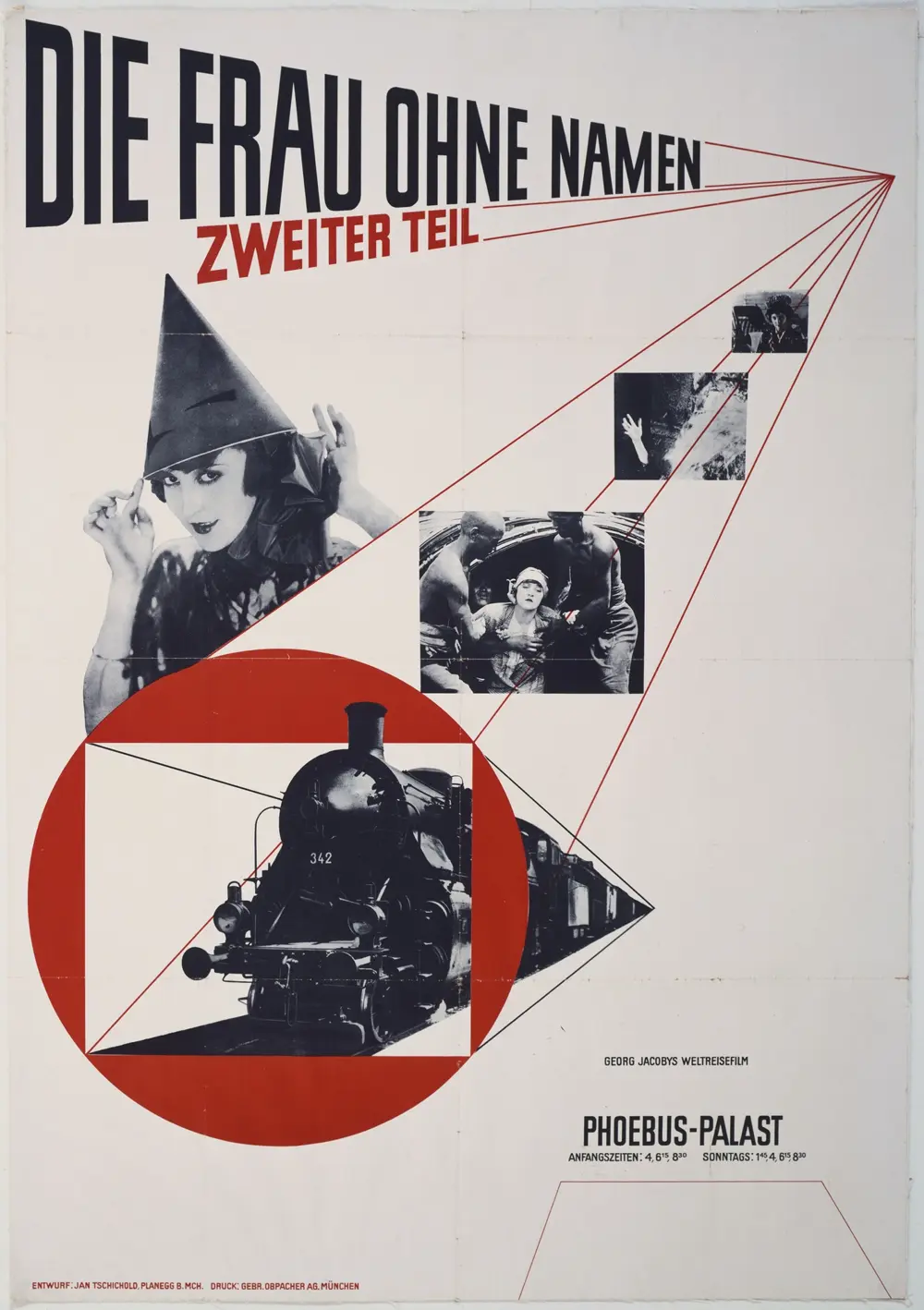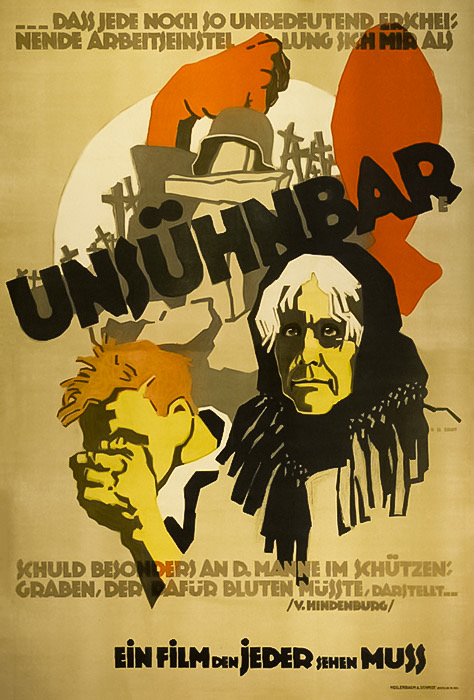
I. The Smell of Brine and Burning Hair Imagine celluloid soaked in brackish water; that is the texture of Unsühnbar minutes after the opening iris-in. Hans Brennert, writing with the same quill he once used to indict aristocratic decadence in The Three of Us, refuses to let the audience settle. Instead he weaponises ...
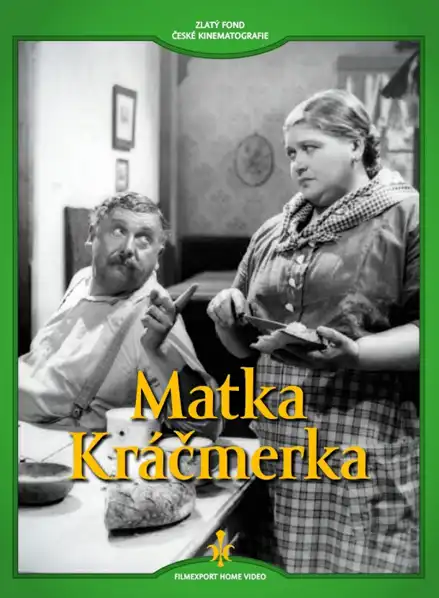
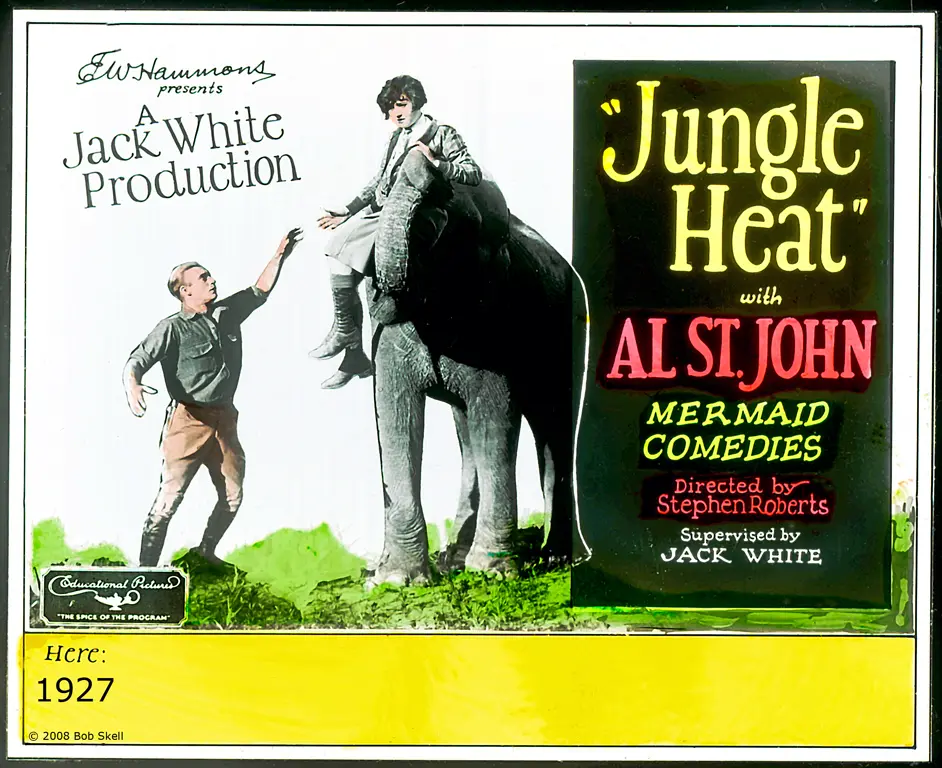
Comparing the cinematic DNA and archive impact of two defining moments in cult history.
Georg Jacoby
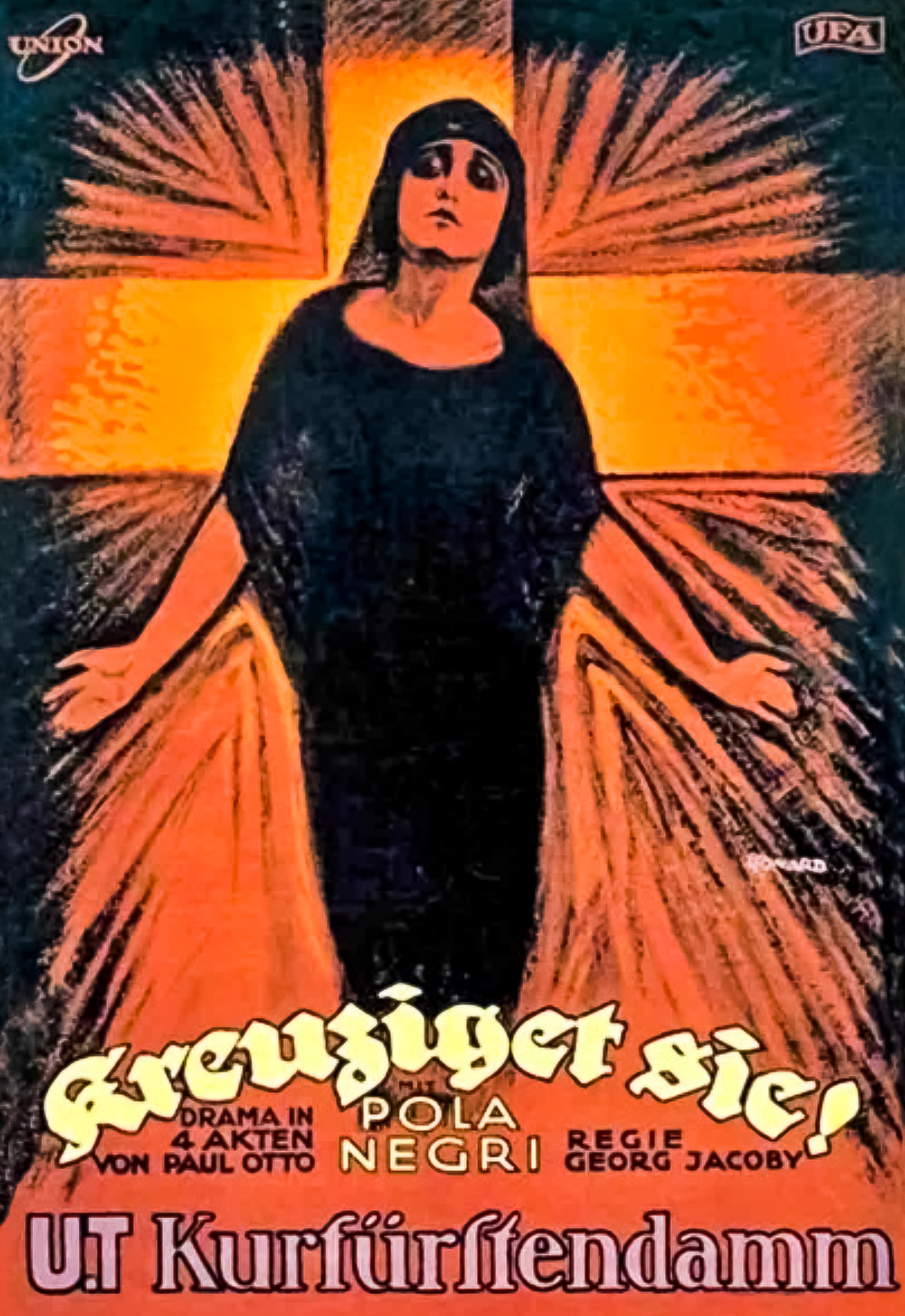
Georg Jacoby
Community
Log in to comment.
" I. The Smell of Brine and Burning Hair Imagine celluloid soaked in brackish water; that is the texture of Unsühnbar minutes after the opening iris-in. Hans Brennert, writing with the same quill he once used to indict aristocratic decadence in The Three of Us, refuses to let the audience settle. Instead he weaponises silence: the first dialogue arrives at the four-minute mark, and when it does—Diercks whispering “Er ist wieder da” to no one in particular—the subtitle feels redundant; the terror..."

Deep dive into the cult classic
Discover similar cinematic experiences
A Directorial Spotlight on Georg Jacoby