DbcultAccessing Vault...
7/10
Senior Film Conservator
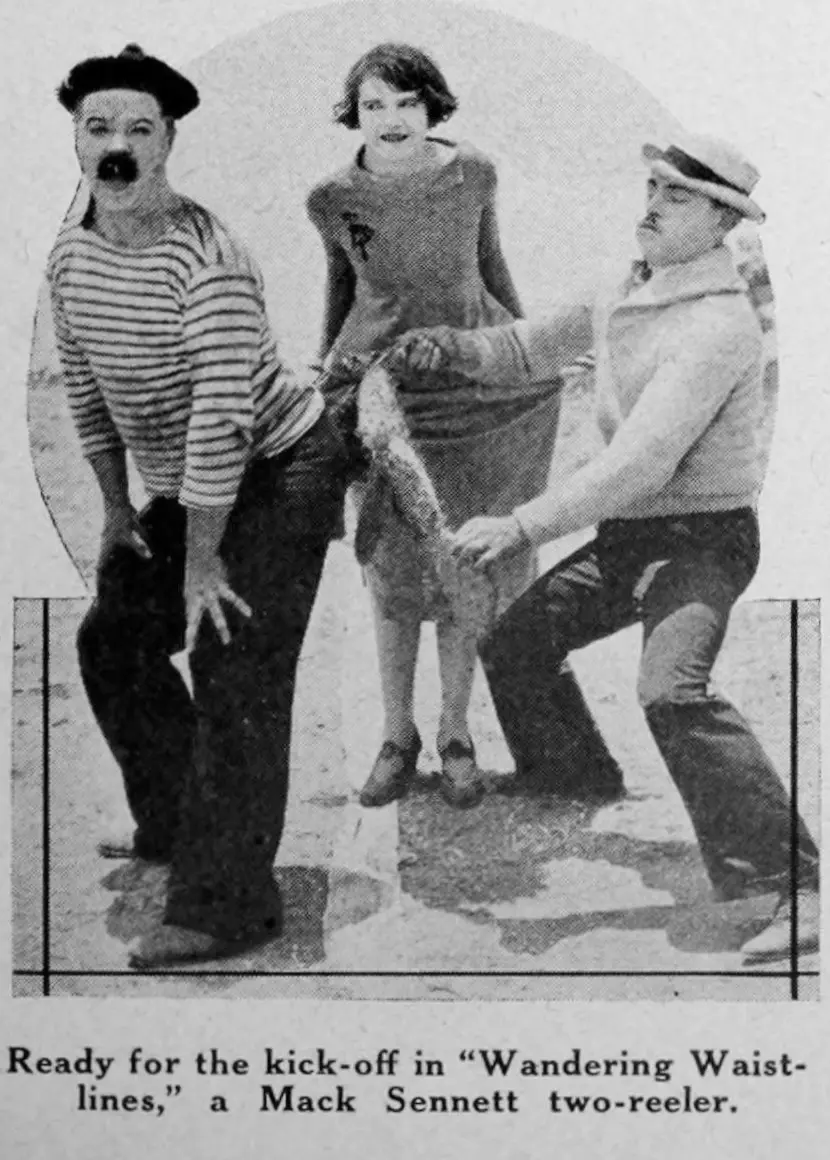
A definitive 7/10 rating for a film that redefined the boundaries of cult cinema. Wandering Waistlines remains a cornerstone of transgressive art.
The year 1924 represented a peculiar crossroads for the American cinematic landscape. While the industry was beginning to flirt with the gravitas of long-form narrative, the short-form comedy remained the undisputed heartbeat of the nickelodeons and grand movie palaces alike. Wandering Waistlines, a production that bears the unmistakable hallmark of Mack Sennett’s chaotic genius, serves as a quintessential artifact of this era. It is not merely a film; it is a frantic, flickering testament to the physicality of humor before the intrusion of the synchronized voice. In this review, we shall dissect the layers of this comedic onion, exploring how its seemingly primitive gags contain a sophisticated understanding of human folly.
At the core of Wandering Waistlines lies the collaborative brilliance of writers Arthur Ripley and John A. Waldron. Ripley, who would later develop a reputation for much darker, more atmospheric works, here displays a penchant for the rhythmic escalation of disaster. The setting—a health farm—is a stroke of brilliance. It provides a structured environment that the characters can systematically dismantle. Unlike the more domestic settings of The Star Boarder, the health spa offers a plethora of mechanical adversaries. From vibrating belts to precarious scales, the environment is a minefield of potential humiliation.
The pacing of the film is relentless. In the silent era, the lack of dialogue necessitated a visual language that was both broad and precise. Every frame of this short is packed with information. We see the influence of the Sennett 'boiler room' style, where gags are stacked upon gags until the tension is released in a crescendo of motion. This is a far cry from the more somber, dramatic efforts of the same period, such as The City of Silent Men, which sought to evoke empathy through stillness. In Wandering Waistlines, empathy is sacrificed at the altar of the belly laugh.
The ensemble cast is a 'who's who' of silent comedy royalty. Leo Sulky, often the reliable foil or the harried authority figure, anchors the madness with a performance that is surprisingly nuanced in its desperation. His interaction with Billy Bevan is the film’s greatest asset. Bevan, with his trademark oversized mustache and startled expression, was a master of the double-take. His ability to convey a sense of indignant confusion while being physically hoisted by a gym machine is a masterclass in silent acting.
The female cast, including Fanny Kelly and Madeline Hurlock, are not merely decorative. In the world of Sennett, everyone is a participant in the carnage. Hurlock, in particular, possesses a comedic timing that rivals her male counterparts. While some films of the era, like Pretty Smooth, relegated women to roles of sophisticated poise, Wandering Waistlines allows them to engage in the messy, unrefined joy of the slapstick tradition. This egalitarian approach to comedy is part of what makes these shorts feel so modern even a century later.
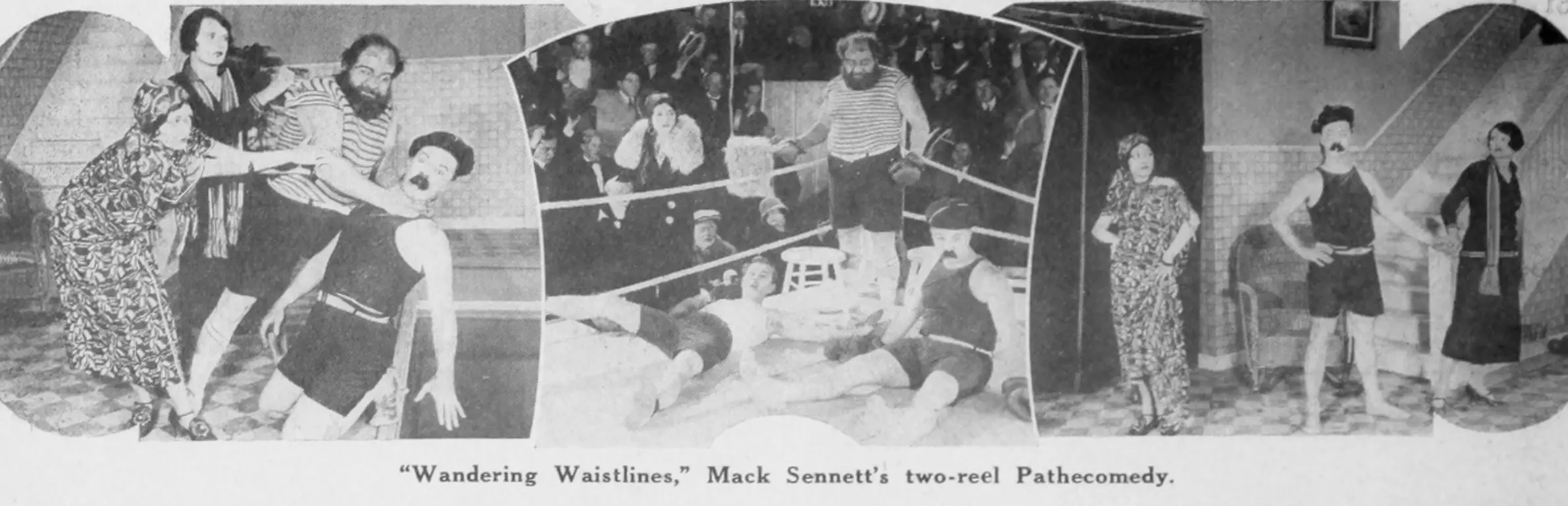
To view Wandering Waistlines as mere fluff is to ignore the cultural zeitgeist it reflects. The 1920s saw a radical shift in how Americans perceived their bodies. The Victorian ideal of the 'stout' gentleman was being replaced by the leaner, more athletic aesthetic of the Jazz Age. This obsession with weight loss and physical fitness is lampooned here with surgical precision. The film captures the anxiety of a society trying to reshape itself, quite literally, into something new. It shares a thematic kinship with How I Became Krazy, where the boundary between sanity and societal expectation is blurred through humor.
The health farm in the film serves as a microcosm of this societal pressure. The absurd machines and the draconian rules of the trainers reflect a skepticism toward the 'scientific' health fads of the day. When we see Andy Clyde or Tiny Ward struggling against the dictates of the spa, we are seeing the 1920s audience laughing at their own insecurities. This is a common thread in Sennett’s work—taking a contemporary trend and pushing it to its most illogical extreme.
Technically, the film is a marvel of its time. The cinematography, though restricted by the heavy cameras of the period, manages to feel dynamic. The use of under-cranking (filming at a slower speed so that the action appears faster when projected) is applied with judicious skill. This technique creates the 'superhuman' speed that is synonymous with the Sennett style. It’s a visual language that contrasts sharply with the more deliberate, stage-like framing found in The Hoosier Schoolmaster (1924).
The editing is equally sharp. The transition from one gag to the next is seamless, creating a flow that feels almost musical. There is a specific rhythm to a Sennett comedy—a beat, a reaction, a payoff, and then an immediate pivot to the next setup. This 'machine-gun' delivery of humor was revolutionary and influenced everything from the Looney Tunes cartoons to modern-day action-comedies. When comparing it to the more somber Auction of Souls, the sheer technical optimism of Wandering Waistlines becomes even more apparent.
Within the broader context of 1924 cinema, Wandering Waistlines stands as a bastion of pure entertainment. While The Social Leper or Love's Outcast were exploring the darker corners of human relationships and social ostracization, Sennett and his team were doubling down on the visceral joy of the pratfall. This is not to say that the film lacks depth; rather, its depth is found in its execution. The precision required to make a complex stunt look like an accident is immense.
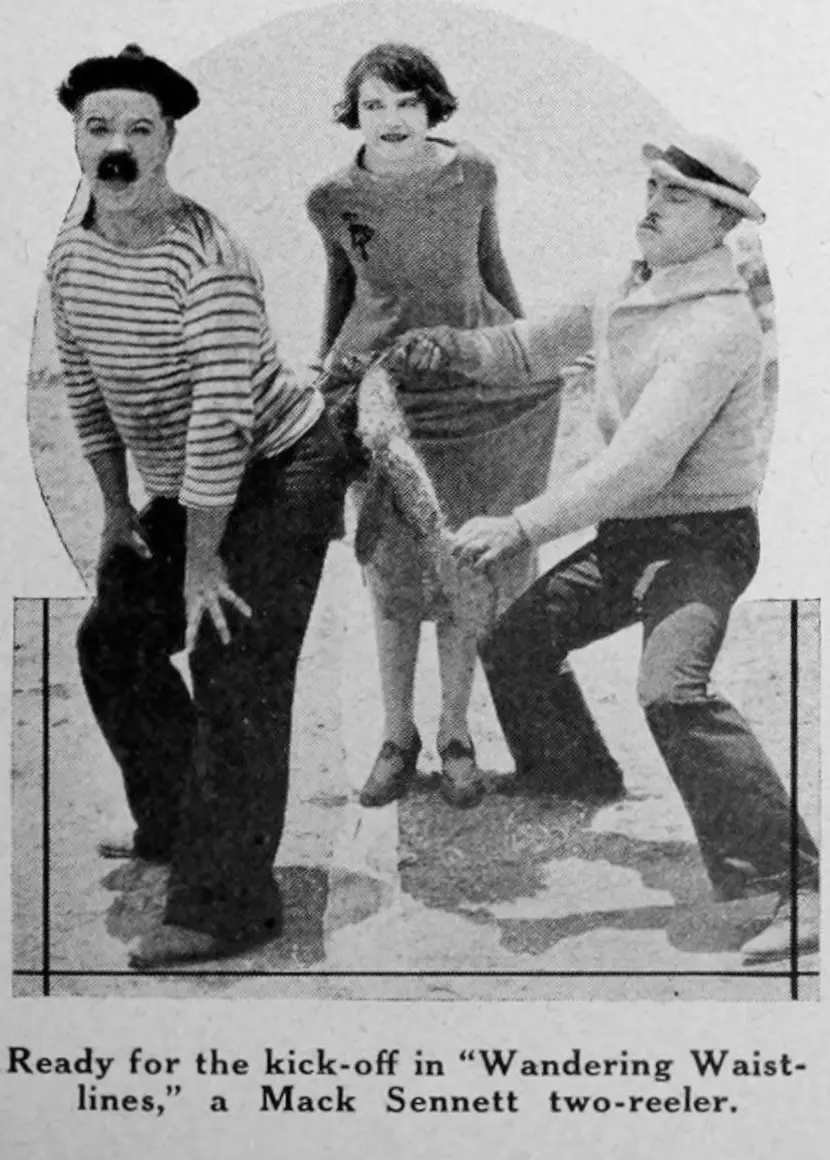
Consider the contrast with Mark It Paid or July Days. Those films often relied on a more conventional narrative arc to sustain viewer interest. Wandering Waistlines, however, operates on the logic of the dream—or perhaps the nightmare of a man on a treadmill that won't stop. It is a purer form of cinema in some ways, relying entirely on the image to convey emotion and story. It has more in common with the avant-garde experiments of the time than many would care to admit, using the human form as a tool for surrealist expression.
Decades later, the influence of Wandering Waistlines can be seen in the physical comedy of Jacques Tati or even the 'crunch' humor of early 2000s sitcoms. It captures a moment in time when the world was moving faster than ever before, and the only way to cope was to laugh at the speed of it all. The film doesn't ask for your pity; it demands your attention. It is a loud, brash, and brilliantly executed piece of entertainment that reminds us that while fashions and waistlines may change, the hilarity of a well-timed fall is eternal.
In the pantheon of Sennett shorts, this one deserves a high ranking for its thematic consistency and the sheer commitment of its cast. Whether it's the subtle frustration of The Straight Way or the high-stakes thrills of The Daredevil, Wandering Waistlines manages to carve out its own unique space. It is a film about the body, for the body, and most importantly, for the soul that needs a good, honest laugh.
Finally, one must appreciate the work of Kalla Pasha and Tiny Ward, whose physical presence adds a layer of 'big-man' comedy that would later be perfected by the likes of Oliver Hardy. Their presence in the spa setting is a stroke of casting genius, providing a visual contrast to the more wiry performers and heightening the absurdity of the weight-loss premise. Even in a minor short like Invisible Ink or the character-driven A Man About Town, you rarely see such a harmonious blend of physical types utilized for maximum comedic effect.
In the end, Wandering Waistlines is a triumph of the ephemeral. It was made to be consumed, enjoyed, and perhaps forgotten in favor of the next week's feature. But because of the craftsmanship involved, it has endured. It stands as a vibrant, noisy (in its own silent way) reminder of why we fell in love with the movies in the first place: for the magic of seeing the impossible made real, and the ridiculous made sublime.
IMDb —
1933
Community
Log in to comment.