DbcultAccessing Vault...
Cult Review
Senior Film Conservator
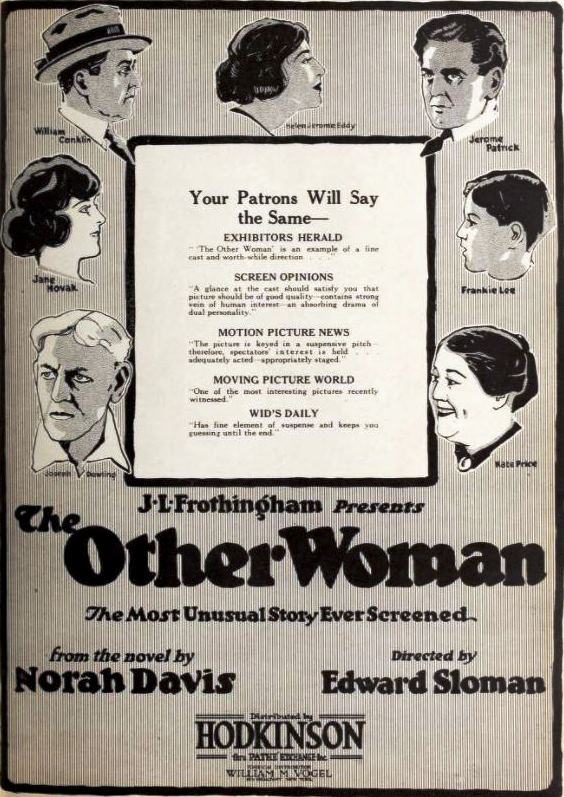
The Other Woman, a 1921 silent film, is a poignant exploration of the human psyche, delving into the complexities of amnesia, identity, and the blurred lines between reality and deception. The film's narrative is a masterful weave of intricate relationships, as Langdon Kirven, played by William Conklin, struggles to reconcile his past and present selves. With a keen eye for detail, director The Other Woman crafts a cinematic experience that is both haunting and thought-provoking.
As the story unfolds, Kirven's journey is marked by a series of chance encounters, including his meeting with Spencer Ellis, his former best friend, who recognizes him in a park. Despite the initial shock of being confronted with his past, Kirven's amnesia persists, and he assumes a new identity as John Gorham. This persona allows him to start anew, free from the burdens of his previous life, and he eventually rises to a prominent position in his adopted city. However, when Ellis returns to expose Kirven's true identity, the revelation sparks a chain reaction, as the memories he had suppressed begin to resurface.
The film's use of yellow and sea blue hues adds a touch of warmth and depth to the narrative, underscoring the emotional turmoil that Kirven experiences as he grapples with his dual identities. The cinematography is equally impressive, with a range of shots that capture the complexity of Kirven's inner world, from the dark orange tones of his troubled past to the softer, more muted shades of his present.
In comparison to other films of the era, such as The Vortex and A Woman's Man, The Other Woman stands out for its nuanced exploration of the human condition. While films like Mascamor and Prima Vera rely on more straightforward narratives, The Other Woman's complex characters and layered storytelling set it apart as a masterpiece of silent cinema.
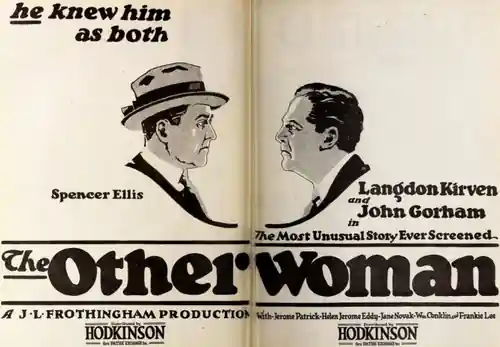
The cast, including Helen Jerome Eddy, Kate Price, and Joseph J. Dowling, delivers performances that are both captivating and understated, bringing depth and nuance to the film's intricate narrative. The chemistry between the actors is palpable, and their portrayals of the characters' inner struggles and conflicts are deeply affecting. As Kirven's story unfolds, the audience is drawn into a world of emotional complexity, where the boundaries between reality and deception are constantly blurred.
The film's themes of identity, memory, and redemption are timeless, and The Other Woman remains a powerful and thought-provoking work of cinema. As Kirven navigates the consequences of his actions, the film raises important questions about the nature of self and the human condition, inviting the viewer to reflect on the complexities of their own experiences. With its masterful storytelling, impressive cinematography, and outstanding performances, The Other Woman is a must-see for fans of silent cinema and anyone interested in exploring the depths of the human psyche.
In the end, The Other Woman is a film that will leave you haunted, not just by the tragic events that unfold, but by the deeper questions it raises about the human condition. As the credits roll, you will be left to ponder the complexities of Kirven's story, and the ways in which his experiences reflect and challenge our own understanding of identity, memory, and the power of the human spirit. With its enduring themes and masterful craftsmanship, The Other Woman is a cinematic treasure that will continue to captivate audiences for generations to come.
IMDb 5.2
1928
Community
Log in to comment.