DbcultAccessing Vault...
6.3/10
Senior Film Conservator
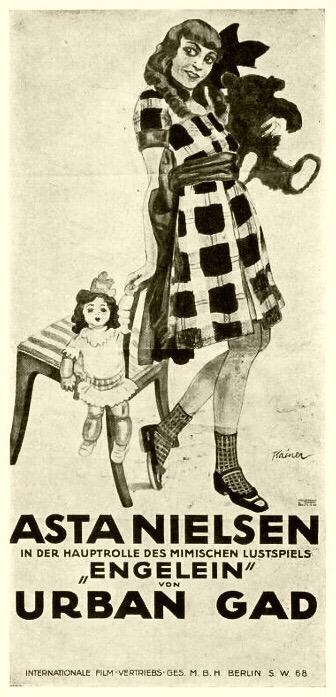
A definitive 6.3/10 rating for a film that redefined the boundaries of cult cinema. Engelein remains a cornerstone of transgressive art.
Urban Gad’s Engelein is the missing link between Lewis Carroll’s looking-glass and the Weimar underworld—an artifact so primordially queer it makes Such a Little Queen look like a Sunday-school recital.
Let’s ditch the polite preamble: this is a film about a grown woman who weaponizes pedophilic gaze to pickpocket her own family, and somehow—miraculously—doesn’t end up punished by a studio-mandated moral code that wouldn’t exist for another two decades. Instead, she pirouettes into the horizon, pockets bulging with Reichsmarks and patriarchal tears. That alone makes Engelein a subversive unicorn in the pre-Code menagerie.
Gad and cinematographer Guido Seeber shoot interiors like dollhouses sliced open by a scalpel: every doorframe becomes proscenium, every cuckoo clock a metronome for repression. When Nielsen first descends the grand staircase in petticoat and ringlets, the camera dolly-zooms into her calf muscle—an audacious wink that collapses Lolita-ish voyeurism into a Beckettian loop of self-surveillance.
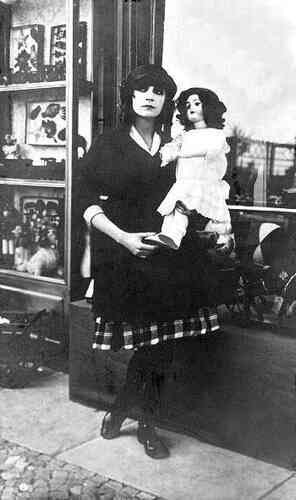
"Childhood here is not innocence but drag: a cotton fortress against the tax codes that police womanhood."
Compare this to The Crucible’s later Puritan tableaux, where the camera moralizes from above; Gad prefers horizontal complicity—we’re always at eye-level with the con, conspirators rather than judges.
Nielsen’s performance is a masterclass in anatomized acting: she retracts her femurs inward, lets shoulders slope like melting wax, and still her eyes—those obsidian scythes—broadcast adult calculation. Watch the bedtime scene where she requests a lullaby: her voice climbs two octaves, but breath control remains that of a 30-year-old opera veteran. The effect is uncanny valley long before the term existed, a glitch in the gender matrix.
Film historian Jan-Christopher Horak once claimed Nielsen could convey soliloquy with a single scapula; here she outdoes herself—her scapula becomes the entire plot.
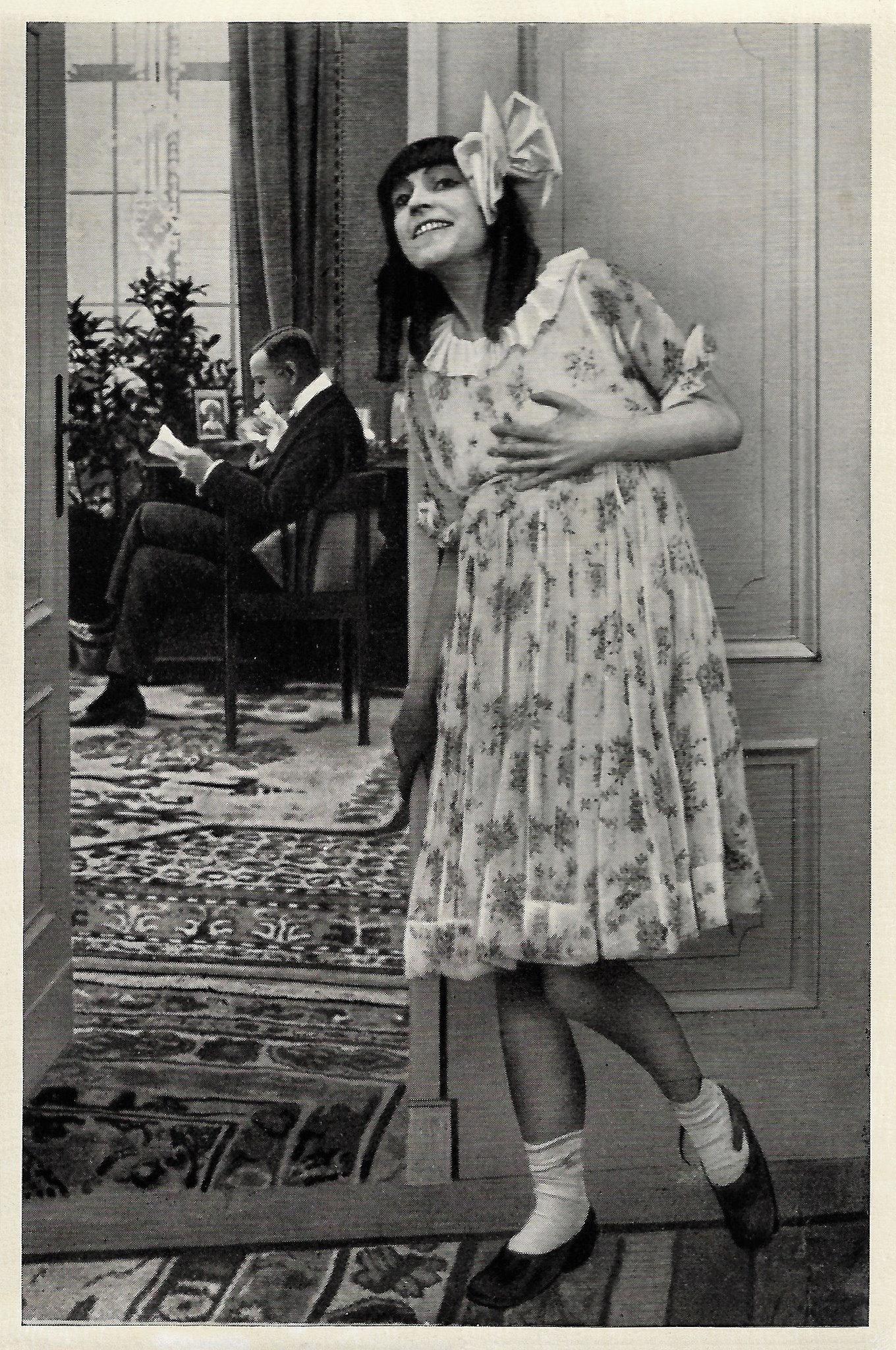
Max Landa’s ‘Uncle’ arrives with the louche swagger of a man who’s pawned his conscience along with the silverware. Yet Gad refuses caricature. In the pivotal mirror scene—where uncle and faux-niece practice ‘funny faces’—Landa’s reflection slips, revealing a man terrified of his own appetite. The blocking is exquisite: both stand before the same glass, but only Nielsen’s image is crisp; Landa’s hovers ghostlike, as though the house itself exiles him for desiring what it fabricated.
This duality rescues Engelein from La fièvre de l’or’s cautionary monotony. Where the latter punishes gold lust with syphilitic doom, Gad’s film punishes naïveté, not desire—albeit desire re-routed through the circuitry of social taboo.
Written by the director and an uncredited Hanns Kräly, the intertitles read like Edwardian valentines dipped in arsenic. One card—“Uncle promised me a thimble of sugared violets if I keep our secret”—delivers the coy euphemism of abuse while handing narrative agency to the supposed victim. Gad understands that the most lethal weapon against patriarchy isn’t refusal but over-identification: flood the system with its own clichés until they drown.
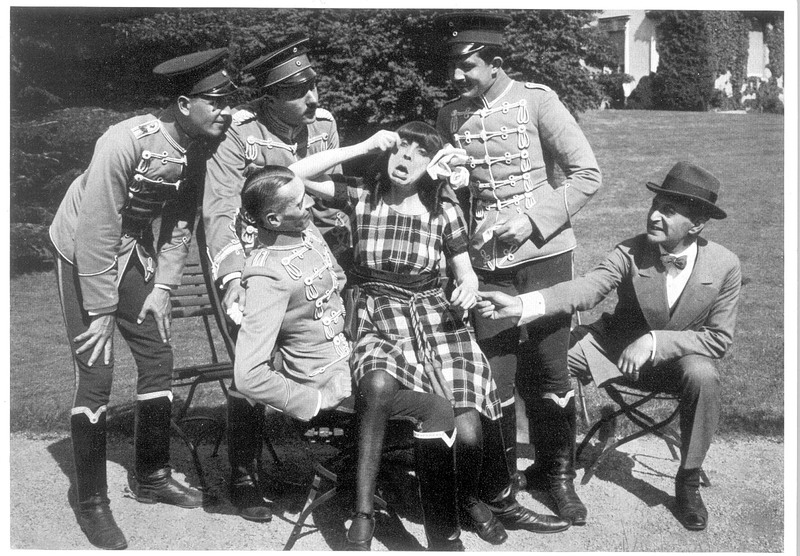
In that regard Engelein feels closer to A Militant Suffragette than to contemporaneous ‘fallen woman’ weepies. Both heroines weaponize performance; only Nielsen does so inside the enemy camp, wearing the skin of the infantilized.
Archival evidence suggests the original Berlin premiere featured live musical improvisation built around children’s handbells and a solo cello. Restorers at Munich Filmmuseum reconstructed a similar track—bells for public façade, cello for private rot. The dichotomy mirrors Nielsen’s double body: percussive innocence over gut-string lust. When Uncle finally recognizes her ruse, the score drops to a single heartbeat-like pizzicato, as though the film itself is holding breath alongside the audience.
Place it beside The Great Circus Catastrophe and you see two Germanic obsessions—public spectacle vs. domestic panopticon. Pair it with The Stranglers of Paris and the tension shifts from class anxiety to gendered espionage. But park it adjacent to Das Modell and something crystallizes: both films probe artifice as survival, yet Engelein’s heroine escapes with capital, not merely carnal knowledge.
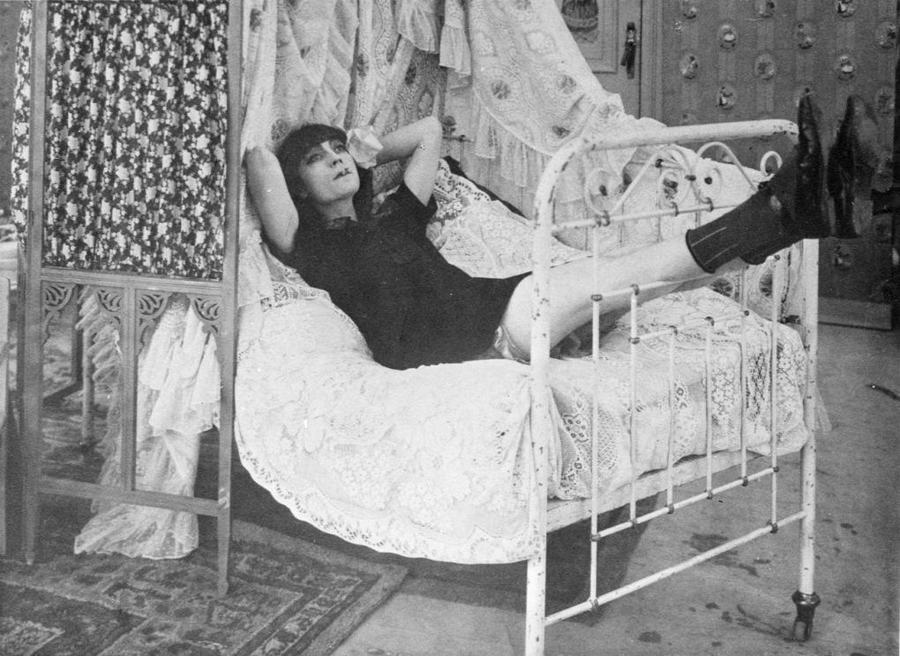
Contemporary sensibilities recoil at the premise—adult-minor flirtation staged for entertainment. Yet to shun Engelein as mere proto-Lolita sleaze is to ignore its surgical inversion: the child is counterfeit, the adult viewers are the ones being seduced and pick-pocketed. Gad implicates our gaze, makes co-conspirators of us all. The film anticipates Laura Mulvey’s ‘visual pleasure’ thesis by six decades, weaponizing the very scopophilia it indicts.
Still, discomfort lingers. Archive screenings now precede with content warnings; some festivals pair it with feminist talkbacks. Perhaps that friction is the point—great art rarely sanitizes history, it rubs our noses in the bruises.
Look for the recurring motif of broken porcelain: a doll’s head cracked during a tea party foreshadows the uncle’s fractured self-image; a chipped thimble doubles as crown and shackles. Production memos reveal Gad bought vintage Meissen figurines specifically to smash on camera—an extravagance that bankrupted the prop budget but immortalized the metaphor.
Also note the color-tinted sequences. The surviving 35 mm print alternates between amber interiors and cyan exteriors—subtle code for public vs. clandestine space. Nitrate deterioration has eaten portions of the cyan, creating stroboscopic ghosts that, serendipitously, heighten the moral disorientation.
Because in an algorithmic era where identity is curated in pixels, Engelein reminds us that masquerade predates Instagram filters. Because Nielsen’s silhouette—half woman, half rumor—cuts sharper than any 4K blade. Because Gad staged a coup inside a nursery and smuggled it past imperial censors, proving that revolutions sometimes arrive wearing pinafores and carrying dolls stuffed with IOUs.
Streaming in 1080p can’t replicate the tremor of nitrate, but the film’s ideological nitroglycerin still detonates across time. Approach it not as relic but as ricochet: a century-old bullet that hasn’t yet decided where to lodge.
Available for rental on archival platforms; check the dedicated page for updated DCP bookings near you.
IMDb 5.6
1936
Community
Log in to comment.