DbcultAccessing Vault...
Cult Review
Senior Film Conservator
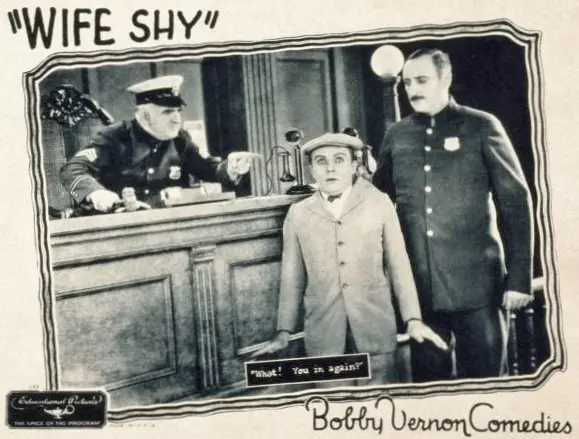
Is this 1920s silent comedy still worth your precious viewing time? Short answer: yes, but with significant caveats. "Wife Shy" is a fascinating artifact for cinephiles, historians, and those with a genuine appreciation for the foundational mechanics of slapstick and early cinematic storytelling.
This film is absolutely for anyone curious about the evolution of screen comedy, the specific charm of Bobby Vernon, or the social mores portrayed in the 1920s. However, it is decidedly NOT for viewers seeking modern pacing, sophisticated humor, or a storyline free from problematic undertones when viewed through a contemporary lens.
"Wife Shy," a product of the roaring twenties, emerges from an era where cinema was still finding its voice, literally and figuratively. Before the advent of synchronized sound, filmmakers relied on exaggerated physical comedy, expressive acting, and clever visual gags to tell their stories. This film, starring the energetic Bobby Vernon, is a prime example of this craft, a short burst of comedic energy that, despite its brevity, packs in a remarkable amount of narrative and character development, however broad.
The film’s simple premise—a man’s relentless pursuit of the woman he believes is 'the one'—is a timeless comedic trope. Yet, the execution, steeped in the conventions of its time, offers a unique window into how such narratives were constructed and consumed a century ago. It’s a piece that demands an audience willing to engage with its historical context, rather than judge it solely by contemporary standards. The silent era was a different beast entirely, and approaching "Wife Shy" with an open mind reveals its subtle charms and foundational contributions to the art form.
At its heart, "Wife Shy" is a masterclass in the comedy of escalating errors. Bobby, the protagonist, is introduced in a moment of accidental bridal bliss, showered with rice at a wedding, leading to a humorous misidentification by his friend Bill. This initial misunderstanding sets the stage for a series of increasingly absurd predicaments. The advice from Bill—to "go after her" when he finds the right girl—is taken with an almost literal, single-minded zeal by Bobby, leading him down a path of romantic obsession that quickly veers into legal trouble. Each arrest and subsequent bail-out by Bill serves to amplify the comedic tension, painting Bobby as an endearing, if somewhat misguided, romantic.
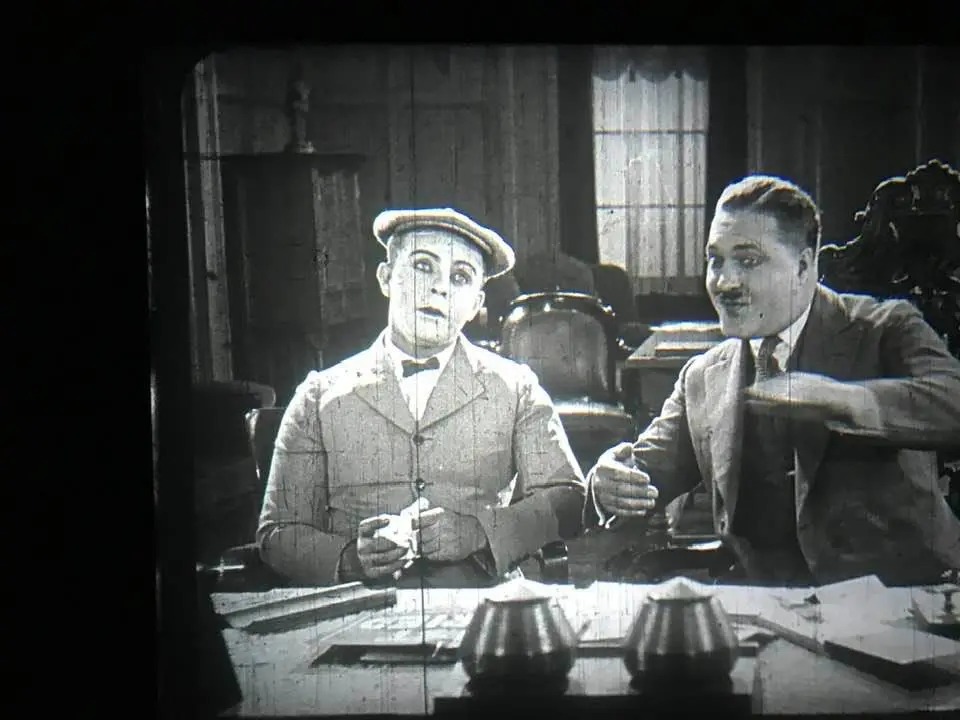
The repetitive nature of Bobby's arrests, while potentially tedious in a longer feature, works exceptionally well within the short film format, creating a rhythmic gag that builds anticipation. The moment the woman screams in Bill's office, leading to Bobby's third incarceration, is a perfectly timed comedic beat, showcasing the film's understanding of visual storytelling. The final reveal—that the object of Bobby's affections is none other than Bill's wife—is a classic silent film twist, both unexpected and perfectly logical within the narrative's farcical framework. It’s a neat resolution that deftly avoids a truly uncomfortable conclusion by introducing Bill's sister, offering Bobby a fresh, and hopefully less litigious, romantic prospect.
The success of any silent comedy hinges almost entirely on the physicality and expressiveness of its performers. "Wife Shy" benefits immensely from the talents of its lead, Bobby Vernon. Vernon, a prolific actor of the era, embodies the character of Bobby with a captivating blend of wide-eyed innocence and relentless determination. His performance is a masterclass in silent screen acting, relying on exaggerated facial expressions, precise body language, and energetic movements to convey a full spectrum of emotions and intentions.
Consider the scene where Bobby first spots the girl. Vernon's entire demeanor shifts, his eyes widening, a goofy grin spreading across his face, his posture becoming almost comically rigid with immediate infatuation. This non-verbal communication is crucial, instantly establishing his character's romantic drive. Similarly, his reactions to being arrested—a mix of bewildered confusion and resigned acceptance—are perfectly pitched, earning audience sympathy despite the questionable nature of his actions. The supporting cast, particularly William Irving as the perpetually bailing-out Bill, provides excellent comedic foils, their reactions grounding Bobby's antics in a semblance of reality.
Bobby Vernon's portrayal of the titular 'Wife Shy' character is what truly elevates this short film beyond a mere collection of gags. He imbues Bobby with a relatable, almost childlike naiveté that makes his persistent, albeit legally problematic, pursuit of the woman understandable, if not entirely excusable. Vernon's physical comedy is precise; he doesn't just run, he scurries with a frantic energy. He doesn't just look, he gazes with an intensity that borders on the absurd. This specificity in his performance is what makes Bobby so memorable. The moment he’s showered with rice, his look of utter surprise quickly morphing into a sheepish grin, sets the tone for his character’s endearing clumsiness. His repeated arrests are met with a consistent, almost practiced, look of exasperation, which speaks volumes about his character’s inability to learn from past mistakes.
Frances Lee, as the elusive woman, provides a compelling, if somewhat reactive, presence. Her initial alarm and subsequent screams are not just plot devices; they are crucial emotional anchors that validate Bobby's arrests. Natalie Joyce and William Irving round out the cast with solid, if less flamboyant, performances that provide the necessary grounding for Vernon's more expansive comedic style. Irving, in particular, conveys Bill's mounting exasperation and eventual good-natured problem-solving with subtle shifts in posture and facial expressions, a testament to the nuanced capabilities of silent film actors.
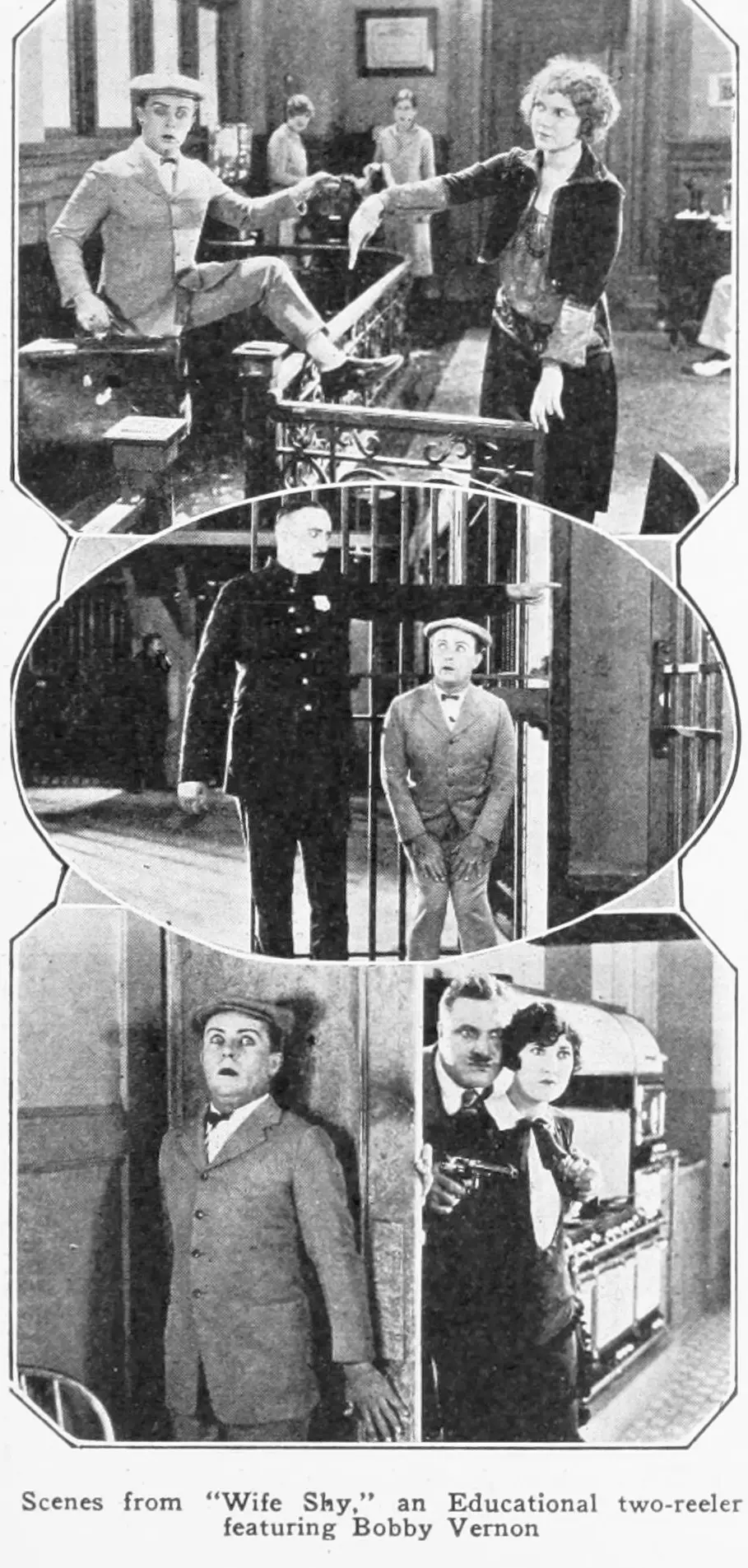
The direction, credited to William Watson and Al Martin, is remarkably efficient for a film of this era. Every scene serves a purpose, either advancing the plot, establishing character, or delivering a gag. There’s no wasted motion, which is essential for a short film aiming to pack a punch. The pacing is brisk, propelling the narrative forward with a relentless energy that mirrors Bobby’s own single-minded pursuit. The transitions between scenes are clean, maintaining narrative clarity without the need for intertitles that might slow down the comedic momentum. This tight editing is a hallmark of well-crafted silent comedies, distinguishing them from more languid dramatic features of the time.
The film demonstrates a keen understanding of comedic rhythm. The repeated cycle of Bobby seeing the girl, pursuing her, being arrested, and then bailed out by Bill, is not just a gag; it's a carefully constructed comedic beat. Each repetition builds on the last, adding a layer of absurdity. The escalation from an initial arrest to the third, where the woman's scream is the catalyst, shows a progression that avoids simple repetition. This kind of escalating chaos is a staple of silent comedy, seen in the works of Buster Keaton or Charlie Chaplin, though perhaps less grand in scale here than in a film like The Knockout. The directors manage to keep the energy high without making it feel rushed, a delicate balance that is often difficult to achieve.
The use of parallel action, such as Bobby's repeated visits to Bill's office and home, serves to reinforce the central comedic conflict while simultaneously advancing the plot towards its inevitable, humorous climax. The timing of the reveal, that the woman is Bill's wife, is perfectly executed, delivering a satisfying punchline after a series of increasingly frantic pursuits. The introduction of Bill's sister provides a clever, albeit slightly convenient, resolution, ensuring the film ends on a light, hopeful note rather than a potentially awkward one.
Given the technological limitations and budgetary constraints of the early 20th century, the cinematography and production design of "Wife Shy" are remarkably effective in serving the film's comedic purpose. The camera work is straightforward, prioritizing clear sightlines for the physical gags and expressive performances. There are no elaborate tracking shots or complex compositions, but rather a functional approach that ensures the audience can fully appreciate the comedic action unfolding on screen. The reliance on medium shots and close-ups for key reactions is particularly effective in silent cinema, where facial expressions are paramount.
The sets, while minimal, are entirely functional. The yacht setting for the opening scene immediately establishes a sense of occasion and allows for the rice-throwing gag. Bill's apartment and office sets are simple but recognizable, providing believable backdrops for the escalating chaos. There's a pragmatic charm to the simplicity; every element on screen is there to facilitate the story and the jokes, without unnecessary embellishment. This economy of design is a strength, allowing the focus to remain squarely on the characters and their predicament. It works. But it’s flawed.
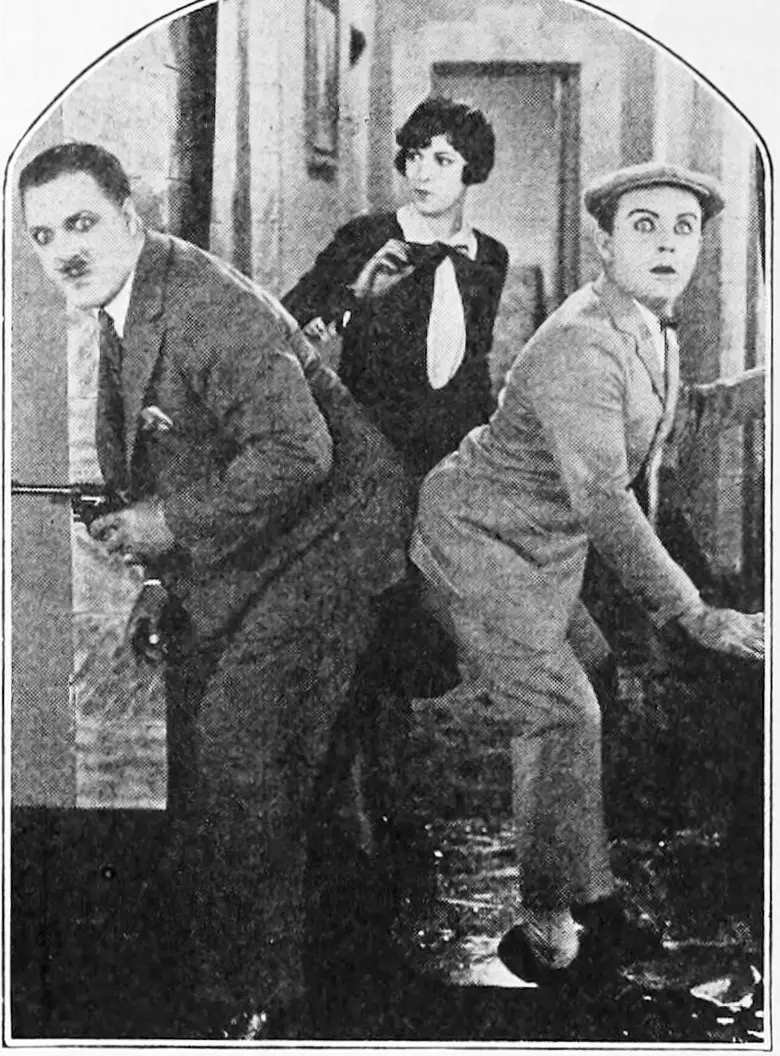
Beneath its lighthearted surface, "Wife Shy" inadvertently touches upon interesting thematic undercurrents concerning romantic obsession and societal norms of the 1920s. Bobby’s relentless pursuit, while played for laughs, could be viewed through a modern lens as a disturbing form of harassment. The film, however, frames it within the context of a more innocent, albeit somewhat naive, understanding of courtship. It highlights the prevailing societal pressure on men to find a wife and the often-problematic ways this pursuit could manifest, even in a comedic context. This offers a surprisingly rich vein for discussion, making the film more than just a series of gags.
It’s a debatable point, but I contend that silent comedies like "Wife Shy" are essential historical documents, not just entertainment. They reveal the evolving social anxieties and humor of their time in a way modern cinema often fails to capture with such raw simplicity and directness. The very innocence of its problematic premise is telling.
The film also subtly critiques the idea of love at first sight, or at least the impulsive actions it can inspire. Bobby’s immediate conviction that this stranger is 'the one,' despite knowing nothing about her, drives the entire plot. His inability to discern between genuine connection and fleeting infatuation is a source of both humor and, arguably, a cautionary tale. The resolution, where Bill offers his sister, suggests a more pragmatic, perhaps arranged, approach to romance, contrasting sharply with Bobby's initial, impulsive passion. It suggests that perhaps the 'right girl' isn't always the one you chase blindly through the streets.
This film works because of Bobby Vernon's magnetic physical performance, the tightly constructed comedic pacing, and its ability to build escalating gags from a simple premise. The clarity of its visual storytelling, without reliance on dialogue, is a testament to the craft of silent filmmaking. It delivers consistent, if gentle, laughs.
This film fails because its central comedic premise, rooted in persistent, unwelcome pursuit, can feel dated and uncomfortable for contemporary audiences. The reliance on repeated arrests, while funny in context, also highlights a lack of deeper character development beyond Bobby's singular obsession. Its brevity, while a strength, also means it lacks the emotional resonance or grand ambition of longer silent features.
You should watch it if you have a keen interest in silent cinema, appreciate classic slapstick, or want to witness a master of physical comedy in action. It's also a valuable watch for those studying the evolution of film narrative and comedic structure. If you demand fast-paced, verbally witty humor, or are sensitive to potentially problematic romantic tropes, this might not be the film for you.
"Wife Shy" is a charming, if somewhat dated, relic of early Hollywood comedy. Its strength lies in Bobby Vernon's undeniable talent for physical humor and the efficient, gag-driven direction that keeps the narrative moving at a brisk pace. While its romantic premise might raise eyebrows today, it remains a valuable piece for understanding the evolution of cinematic humor and the silent film era's unique appeal. It's a short, sharp burst of laughter that, when approached with historical empathy, still offers genuine enjoyment and a fascinating glimpse into a bygone era of moviemaking. It won't convert silent film skeptics, but it will certainly entertain its target audience. Give it a watch, but prepare to forgive its century-old sensibilities.
IMDb —
1916
Community
Log in to comment.