DbcultAccessing Vault...
Cult Review
Senior Film Conservator
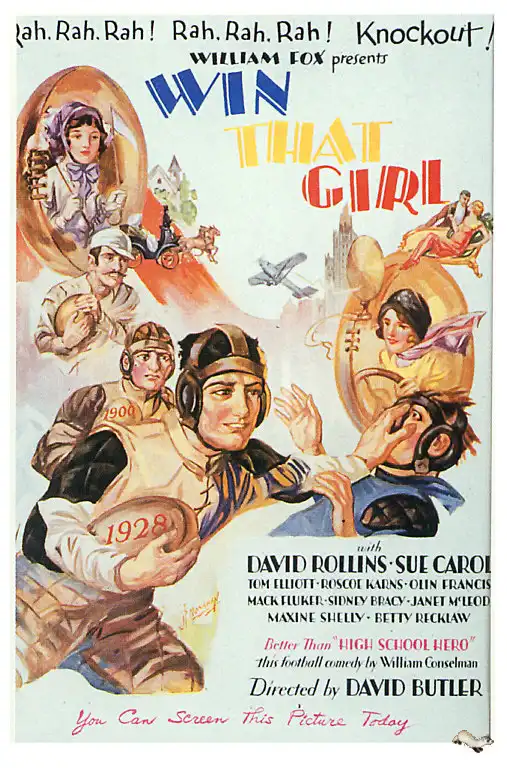
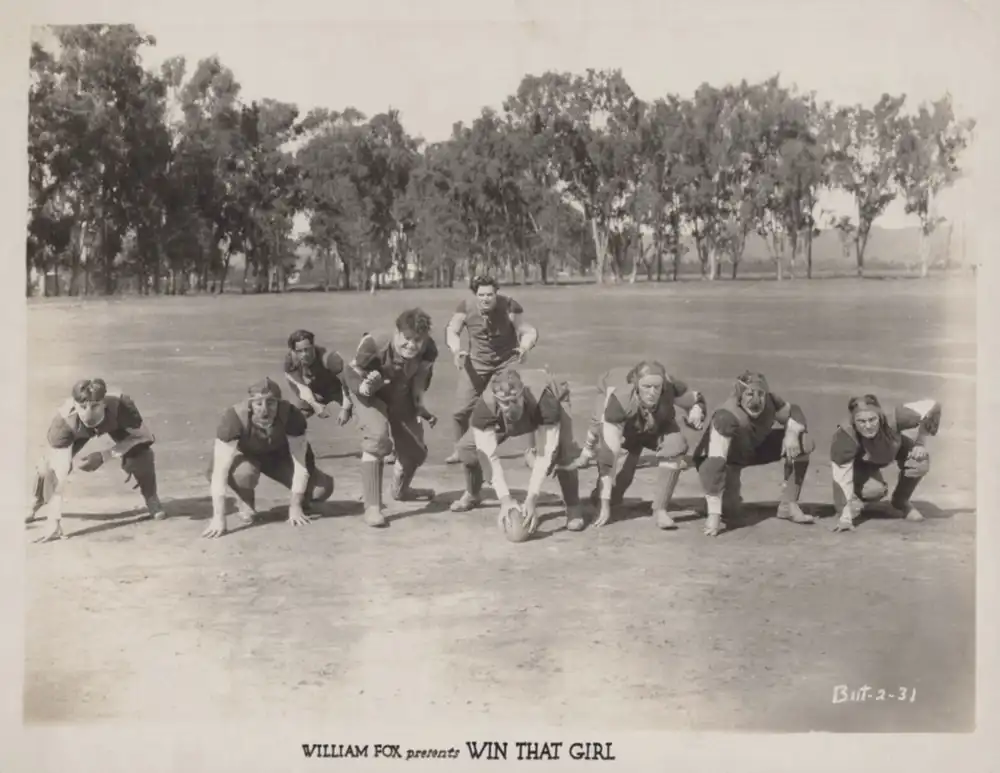
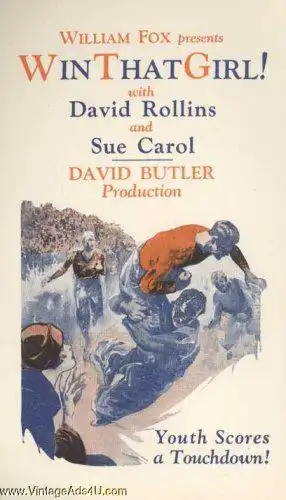
Alright, so Win That Girl, right? Is it worth digging up today? Honestly, yeah, probably. But listen, it’s a silent film. So if that’s not your thing, if you need snappy dialogue and modern pacing, you’ll probably hate it. This one’s for the folks who appreciate the history, or maybe just want a sweet, slightly goofy peek into how movies used to tell stories.
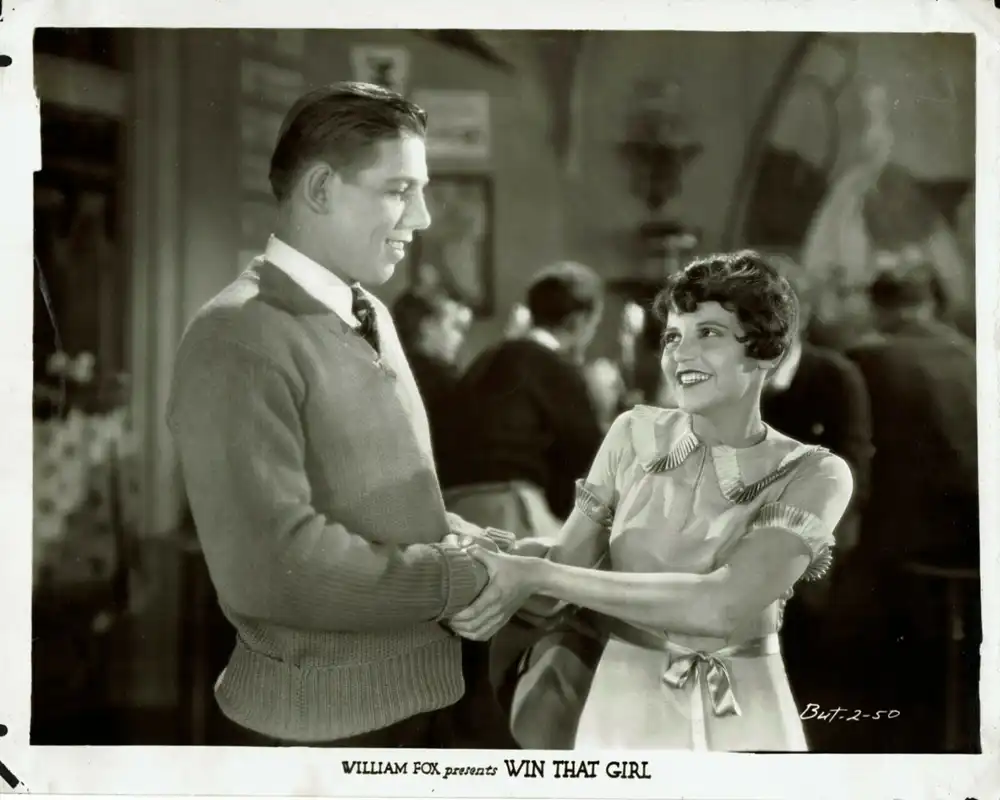
The whole thing centers on David Rollins' character, who’s just absolutely head over heels for Betty Recklaw. And I gotta say, she’s got this incredible screen presence, even without a single word. Every time she tilts her head or gives a little smirk, you totally get why he’s so gone for her. It’s not a deep, complex plot; it’s just a guy trying to get the girl, plain and simple. And all the usual silent film shenanigans that come with it.
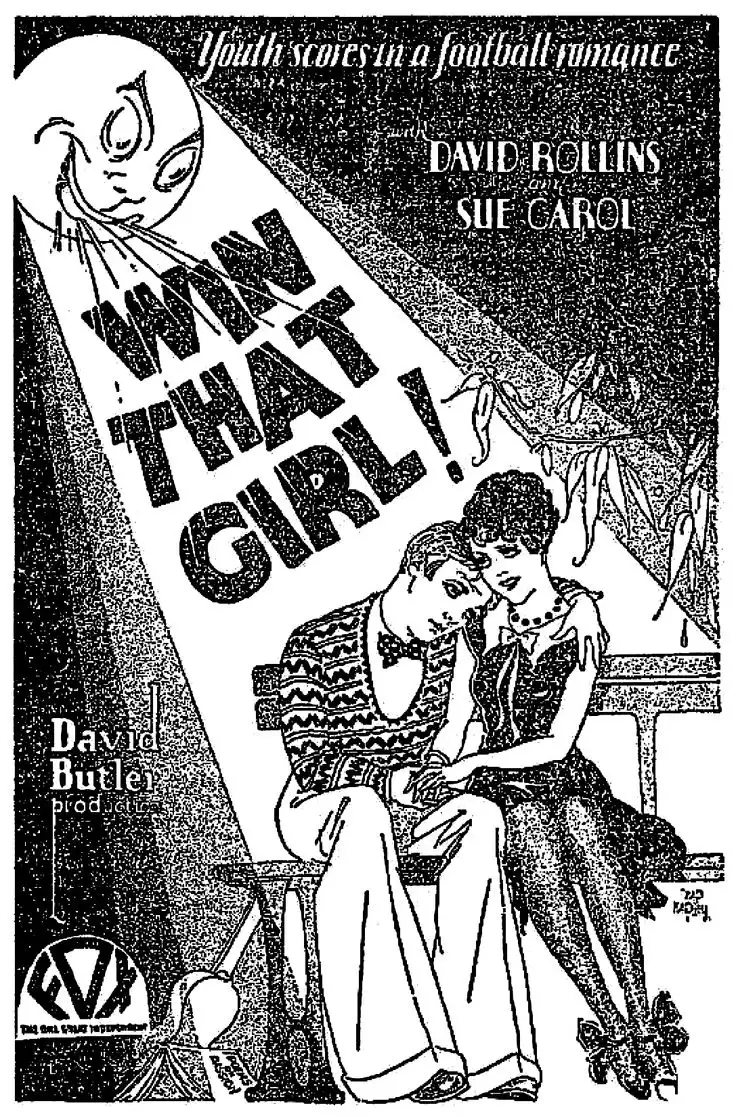
One particular moment sticks with me: there’s this scene where Rollins’ character is trying to impress her at some fancy party, and he keeps trying to do these *grand, sweeping gestures* that just… don’t quite land. He trips a little, or spills something. It’s played for laughs, of course, but you can feel his desperation. It's kinda endearing, actually. He’s not some slick movie hero; he’s just a fella trying his best.
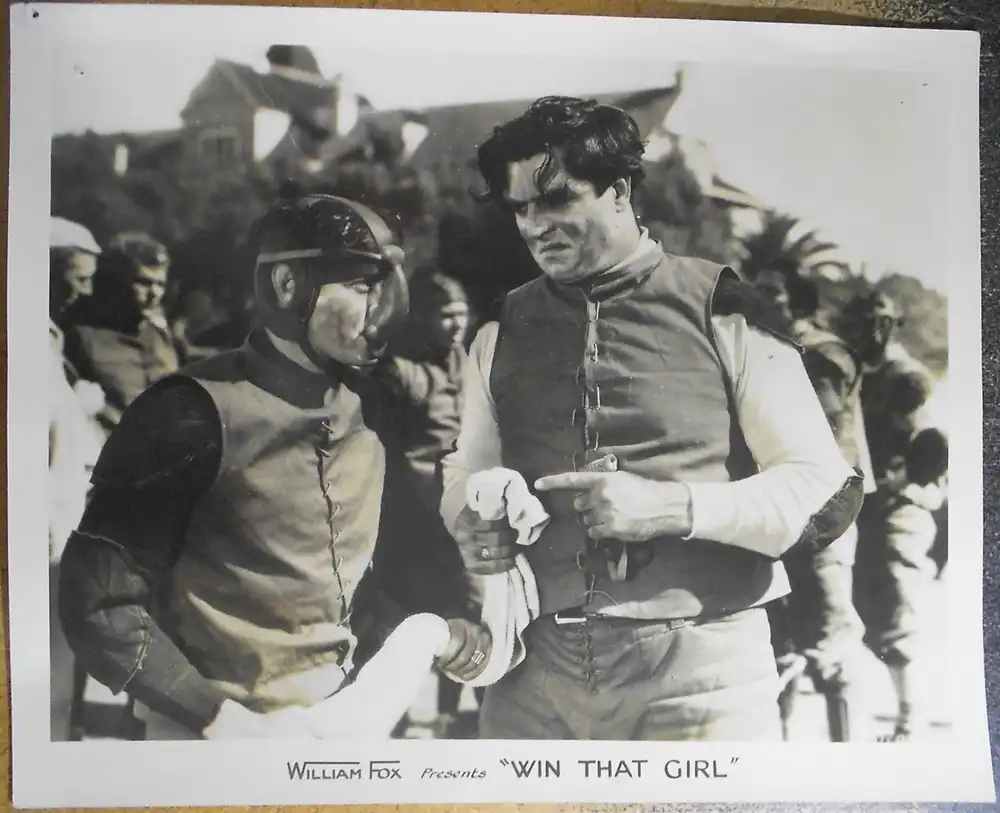
Betty Recklaw, though. She’s the real standout. Her expressions are so precise. She can convey a whole paragraph with just a slight raise of an eyebrow. There’s a moment where she’s watching him stumble through one of his schemes, and her face goes from amusement to a touch of pity, then to something almost like affection, all in a few seconds. It’s really good stuff. You just don't see that kind of nuanced visual acting much anymore. Tom Elliott plays the rival, and he’s perfectly smarmy, all sneers and slicked-back hair. Pretty standard for the era, but effective.
The pacing is interesting. Some scenes just zip by with quick cuts, building this frantic energy, especially when Rollins is rushing to fix some mess he’s made. Then, other times, the camera just lingers. Like, on Betty Recklaw’s face as she contemplates something. Those long pauses really let you sit with the emotion, even if it feels a little *too* long by modern standards. You almost want to nudge the film along. But it has its charm. The intertitles are mostly straightforward, moving the plot, but sometimes they offer a little punchline that feels surprisingly fresh.
Roscoe Karns shows up in a smaller role, and he’s got this goofy energy that’s a nice contrast to some of the more dramatic beats. He plays a friend, I think, and his reactions are always a bit over-the-top. There’s a scene where he’s trying to discreetly pass a note, and he makes such a *production* out of it, practically miming a whole spy movie. It felt like a little breath of fresh air amidst the main romance.
The whole film is just a snapshot of a different time. The sets are simple, sometimes a bit sparse, but they get the job done. You can almost feel the stage directions telling the actors to really *sell* every emotion with their bodies. It’s a lot of arm-waving and big smiles, big frowns. But somehow, it mostly works. It really does.
I wouldn’t say it’s a lost masterpiece, but it’s definitely not a throwaway either. It's just a sweet, honest effort from a different cinematic era. If you're in the mood for some silent film charm and don't mind a story that takes its time, Win That Girl offers a pretty pleasant afternoon watch. Don’t expect your mind to be blown, but you might just crack a smile. 😊
IMDb 4.3
1936
Community
Log in to comment.