DbcultAccessing Vault...
6.2/10
Senior Film Conservator
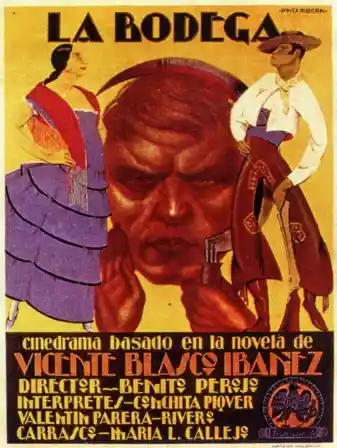
A definitive 6.2/10 rating for a film that redefined the boundaries of cult cinema. Wine Cellars remains a cornerstone of transgressive art.
Alright, so "Wine Cellars" from 1927. Is this one for you? Look, if you’re hoping for quick thrills or a plot that ties everything up neatly in an hour and a half, you can probably skip it. But if you’re a film history enthusiast, someone who loves seeing how stories were told nearly a century ago, or just really into gorgeous old cinematography, then yeah, absolutely give it a shot. It's a bit of a slow pour, but it has its moments. 🕰️
The film mostly sticks to the rhythms of life around a vineyard in Spain. You get a sense of the land, the hard work, and the people whose lives are just… entwined with the grapes. It’s not some grand epic, more like a quiet observation.
Gabriel Gabrio as Don Gabriel, the patriarch, is something else. He doesn’t need a lot of words; his presence just fills the screen. There’s this one scene, I remember it vividly, where he’s just standing among the vines, _hands on his hips_, looking out at the rows. You can practically feel the weight of generations on his shoulders. That shot lingered, you know? It really made you feel the connection he had to that soil. 🌿
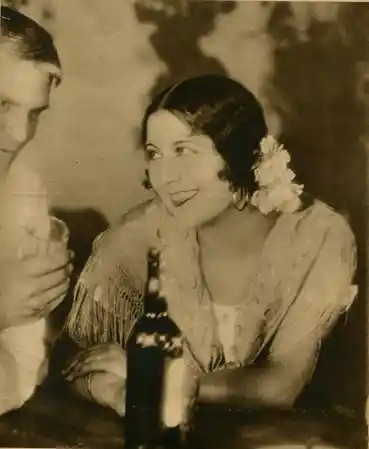
Then there’s Concha Piquer. Her character brings a certain spark. If this was an early sound film, her singing would be a huge draw. Even as a silent feature, you can feel her energy through her expressions. There's a moment during a harvest festival, and she’s just _beaming_. It’s a pure, unforced joy that cuts through some of the more serious family stuff.
The story itself, it follows the family's ups and downs. There's a bit of romance, a bit of conflict, nothing too wild. But it’s all set against this very particular backdrop. The way the light plays on the dusty roads and the old stone buildings is honestly stunning. You can tell they really knew how to frame a shot back then, even with simpler cameras.
Some of the acting, by today’s standards, feels a little… _big_. Joaquín Carrasco, for instance, has a few scenes where his reactions are just _massive_. Arms flailing, eyes wide. It’s a different style, certainly, but you get used to it. It actually adds a charm, I think. It reminds you this isn't modern cinema, and that's okay. Sometimes it's a bit much, but it’s part of the experience. 😂
One scene that stands out involves a kind of dispute over the harvest, or maybe some family pride. It feels very real, even with the slightly exaggerated performances. The tension builds slowly, not with quick cuts, but with characters standing still, *really looking* at each other. It makes you lean in.
The pacing is definitely deliberate. It gives you time to soak things in. Sometimes, it feels a tad too long, like a scene could have been trimmed by ten seconds and still made its point. But then you get a quiet moment, like someone pouring a glass of wine, and it just works. It’s a film that asks for your patience, and mostly, it rewards it.
I also kept noticing the costumes. Simple, but so authentic. The women’s dresses, the men’s caps. It all feels so grounded in its time and place. No big, fancy period pieces; just everyday wear that tells a story of its own.
If you're into the history of cinema, especially the transition periods, this one offers a nice window. It’s not as impactful as say, The Little Giant for its time, but it certainly holds its own as a piece of the past.
It’s not a film that’s going to change your life, or even be discussed at length in film schools, probably. But it’s a lovely, often atmospheric, look at a very specific world that doesn’t quite exist anymore. A nice watch with a glass of, well, you know. 🍷
IMDb 5.6
1922
Community
Log in to comment.